
Plant · GBIF taxon 2705953
eleusine indica
eleusine indicaAlso known as Yard Grass, Goosegrass, Wiregrass, Crowfoot Grass
Indian goosegrass forms dense, low-growing rosettes with characteristically flattened stems radiating outwards from a pale white base. Its distinctive seed heads sprout multiple terminal spikes arranged like the toes of a crow's foot, producing hundreds of durable seeds that thrive in heavily trampled soil. Highly adaptable to compacted turf, paved cracks, and warm agricultural fields, it resists heavy foot traffic and frequent mowing with ease.
ResilientAnnualWeedy
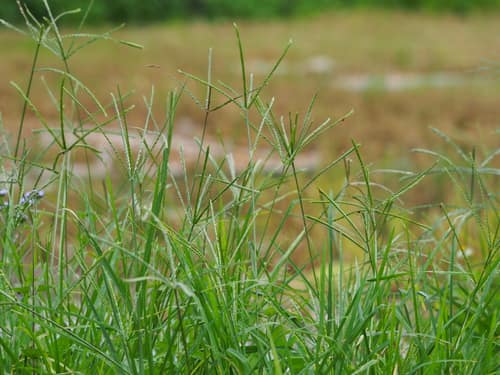
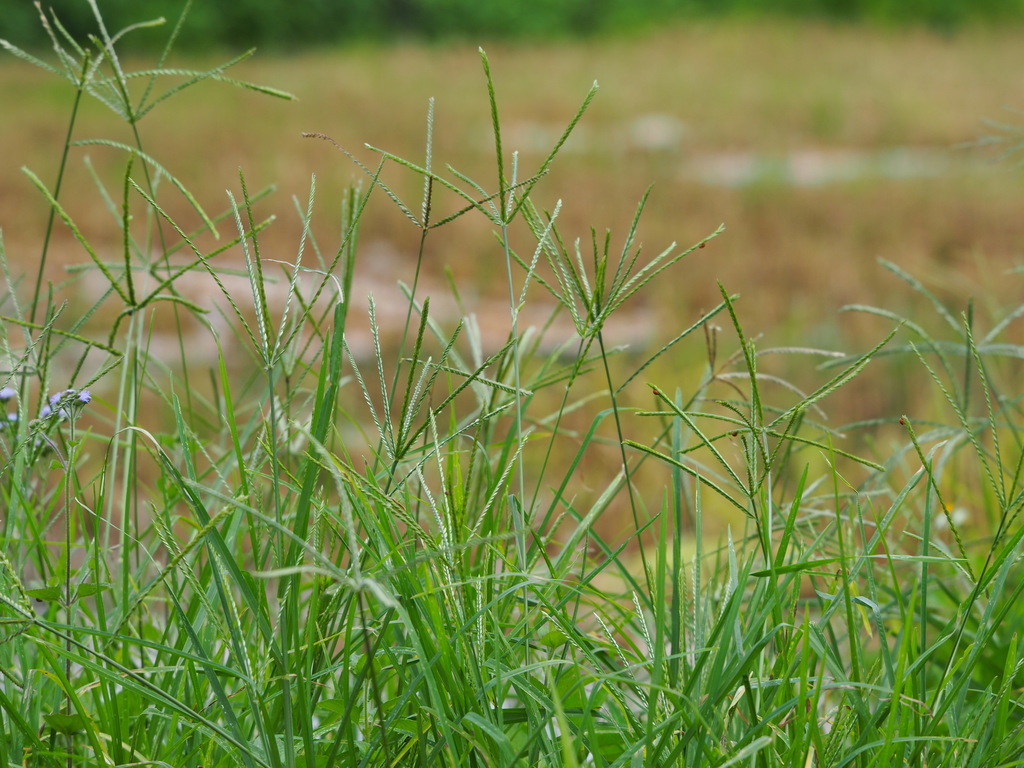
—observations
—countries
—peak records
Not EvaluatedConservation statusIUCN Red List categoriesLCNTVUENCREWEXNot Evaluated — not placed on the risk ladderRed List categories, explained →
Diet & prey
- Autotrophic (Photosynthesis)
Predators
- Herbivorous Insects
- Grazing Livestock
- Songbirds
ThreatsHerbicides, manual weeding, dense shade
HabitatsDisturbed ground, lawns, roadsides, crop fields, urban pavement cracks
Life spanAnnual (1 year)
Size / weightNot available
Classification
- OrderPoales
- FamilyPoaceae
- GenusEleusine
- Specieseleusine indica
Range data is not available yet.
Interaction riskLow
- Low
- Moderate
- High
- Very high
- Why interaction risk is low
- Safe to observe at a normal distance.
Responsible observation
- Identification: Look for flattened, whitish stem bases radiating horizontally in a tough central rosette.
- Management: Pull entire taproots early before seed heads mature to prevent spread in gardens.
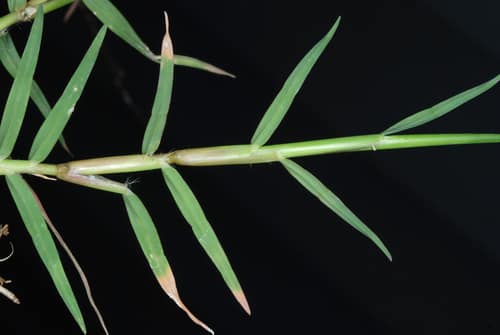
Competitor (c) Douglas Goldman, some rights reserved (CC BY-SA), uploaded by Douglas Goldman · cc-by-sa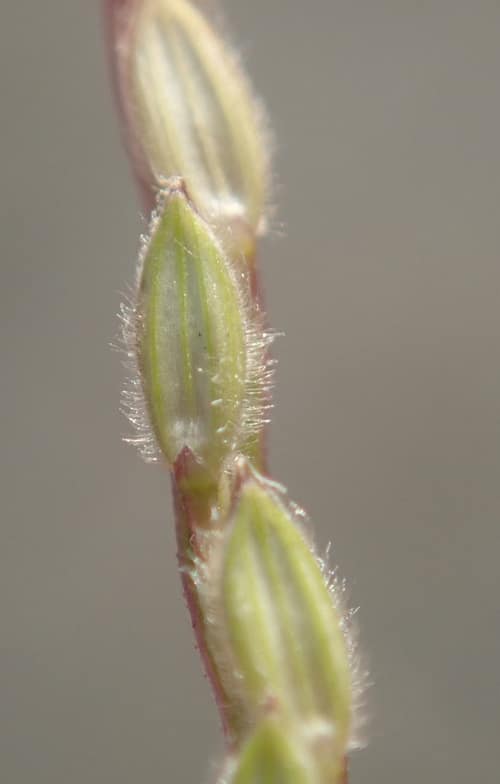
Competitor (c) Thomas Gyselinck, some rights reserved (CC BY), uploaded by Thomas Gyselinck · cc-by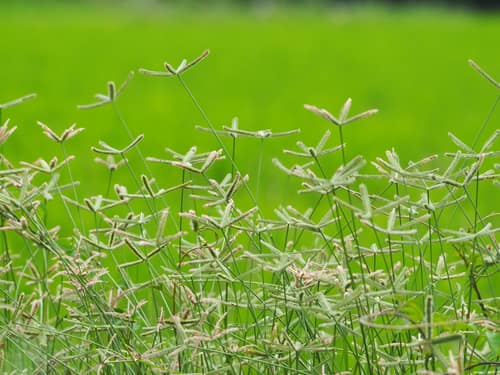
Look-Alike no rights reserved, uploaded by 葉子 · cc0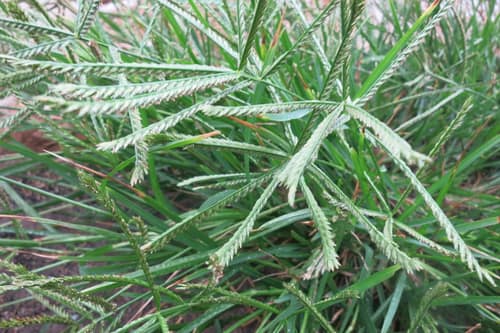
Close Relative (c) Nanna Joubert, some rights reserved (CC BY-SA) · cc-by-sa
Help improve the field guideSomething wrong?
Checking your Fauna account…Report a name, category, or profile issue for review.