
Plant · GBIF taxon 2705420
Carolina Lovegrass
Eragrostis pectinaceaAlso known as Tufted Lovegrass
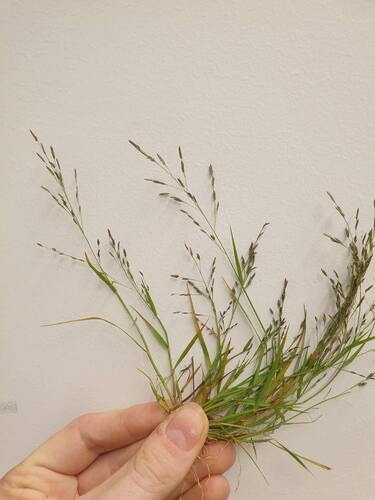
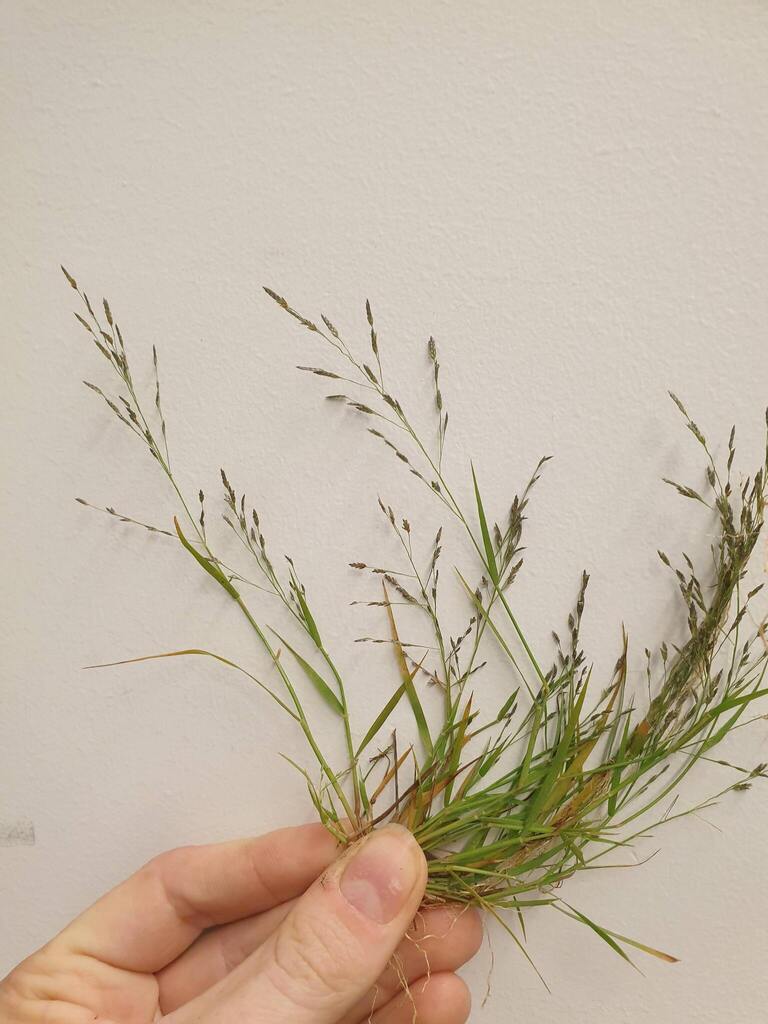
Carolina lovegrass forms low, delicate tufts of narrow leaves topped by airy, open seed heads that shimmer in late summer breezes. This adaptable annual grass thrives in compacted, poor soils where few other plants can take root, quickly colonizing cracks in pavement and open fields. Its lightweight seeds disperse readily by wind and water, aiding its expansion across diverse habitats throughout the Western Hemisphere.
AnnualNative GrassDisturbed Soil
—observations
—countries
—peak records
Least ConcernConservation statusIUCN Red List categoriesLCNTVUENCREWEXLeast ConcernRed List categories, explained →
Diet & prey
- Autotrophic (Photosynthetic)
Predators
- Herbivorous Insects
- Grazing Mammals
- Granivorous Birds
ThreatsExcessive herbicide use, severe habitat paving
HabitatsDisturbed ground, roadsides, fields, sidewalk cracks
Life spanAnnual
Size / weightNot available
Classification
- OrderPoales
- FamilyPoaceae
- GenusEragrostis
- SpeciesEragrostis pectinacea
Range data is not available yet.
Interaction riskLow
- Low
- Moderate
- High
- Very high
- Why interaction risk is low
- Safe to observe at a normal distance.
Responsible observation
- Identification: Look for delicate, widely branching seed heads with tiny flattened spikelets along slender stems.
- Habitat: Frequently found along gravel pathways, sidewalk cracks, and dry agricultural fields.
- Observation: Best examined in late summer when open panicles fully bloom and produce mature seeds.
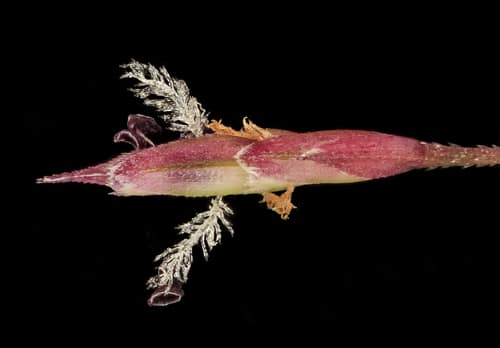
Close Relative no rights reserved, uploaded by USGS Bee Inventory and Monitoring Lab · cc0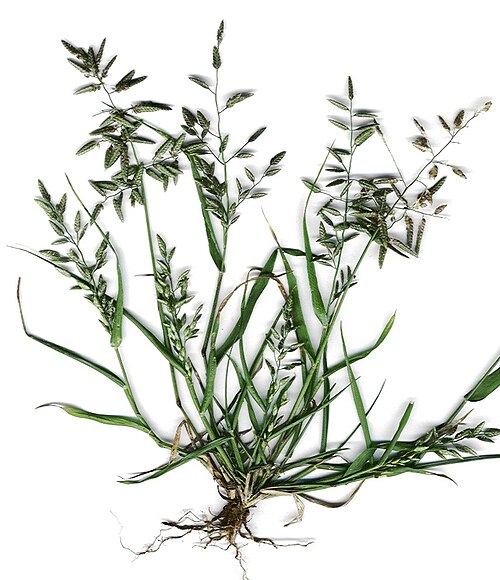
Close Relative Forest & Kim Starr / CC BY 3.0 · cc-by Image unavailable
Close Relative
Help improve the field guideSomething wrong?
Checking your Fauna account…Report a name, category, or profile issue for review.