
Plant
Orchard Grass
Dactylis glomerataAlso known as Cock's-foot, Cocksfoot Grass, Cat Grass
Orchard grass forms dense, coarse tussocks recognizable by distinctively flattened stem bases and one-sided, clustered seed heads reminiscent of a rooster's foot. As a cool-season perennial, it resumes growth early in spring and stays green well into late autumn, making it a foundational forage grass in temperate pastures worldwide. Its dense basal tufts also provide critical sheltering cover and larval forage for numerous grassland butterflies and moths.
PerennialPasture GrassCool-Season
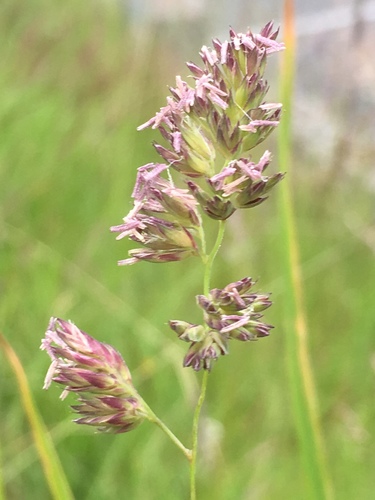
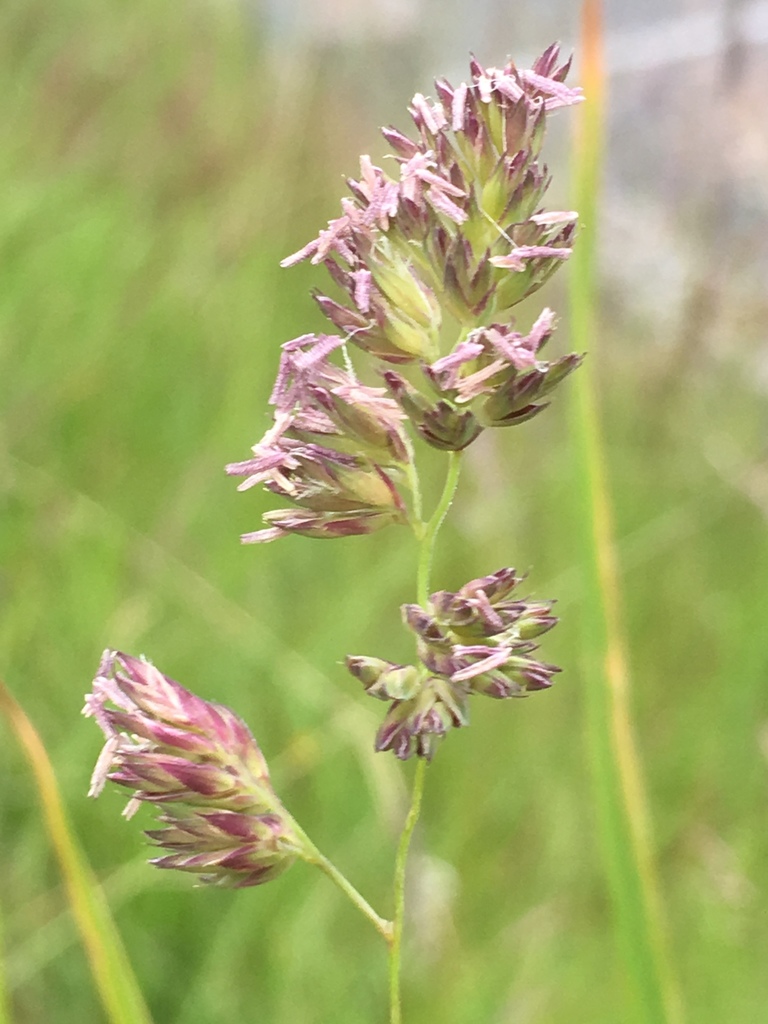
—observations
—countries
—peak records
Least ConcernConservation statusIUCN Red List categoriesLCNTVUENCREWEXLeast ConcernRed List categories, explained →
Diet & preyPhotoautotrophic
Predators
- Cattle
- European Rabbit
- Meadow Vole
ThreatsIntensive overgrazing, broad-spectrum herbicide use, and land development
HabitatsMeadows, pastures, open woodlands, roadsides, and disturbed ground
Life span5–10+ years
Classification
- OrderPoales
- FamilyPoaceae
- GenusDactylis
- SpeciesDactylis glomerata
Range data is not available yet.
Interaction riskLow
- Low
- Moderate
- High
- Very high
- Why interaction risk is low
- Safe to observe at a normal distance.
Responsible observation
- Stem inspection: Feel the lower sheath near the ground, which is distinctly flattened rather than round.
- Bloom watching: Look for prominent purplish stamens protruding from dense, one-sided panicles in late spring.
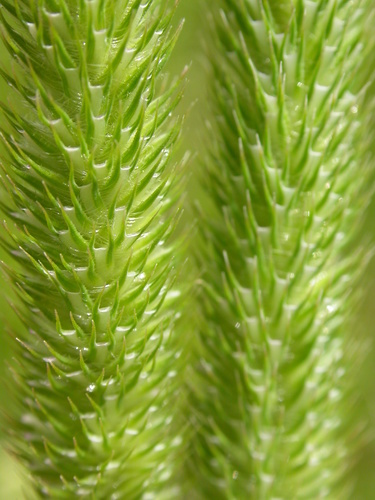
Pasture Companion (c) Matt Lavin, some rights reserved (CC BY-SA) · cc-by-sa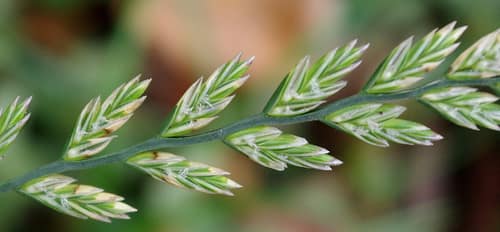
Competitor (c) Георгий Виноградов (Georgy Vinogradov), some rights reserved (CC BY), uploaded by Георгий Виноградов (Georgy Vinogradov) · cc-by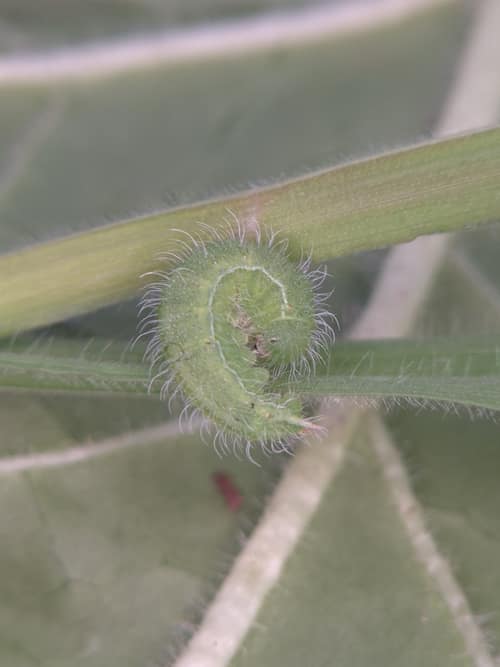
Host Plant (c) Céline, some rights reserved (CC BY), uploaded by Céline · cc-by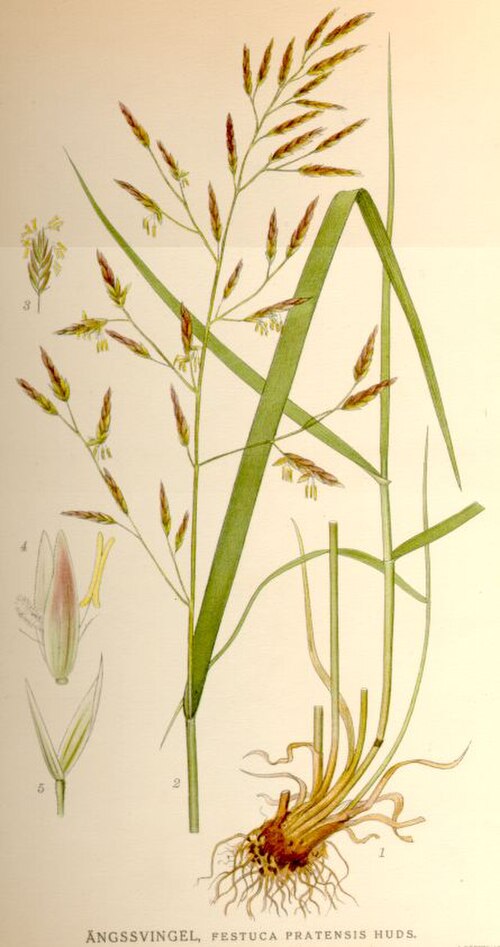
Same Family Wikimedia Commons / Public domain · cc0
Help improve the field guideSomething wrong?
Checking your Fauna account…Report a name, category, or profile issue for review.