
Plant · GBIF taxon 2705275
Lemon Grass
Cymbopogon citratusAlso known as West Indian Lemongrass
Lemon grass forms dense, aromatic tussocks of stiff, blue-green blades rising from bulbous leaf bases. Essential oils concentrated within the foliage release a crisp citrus aroma when brushed or crushed, serving as a natural defense against browsing herbivores. In tropical climates, mature clumps produce tall flowering spikes, though cultivated garden plants rarely bloom.
AromaticPerennialHerbaceous
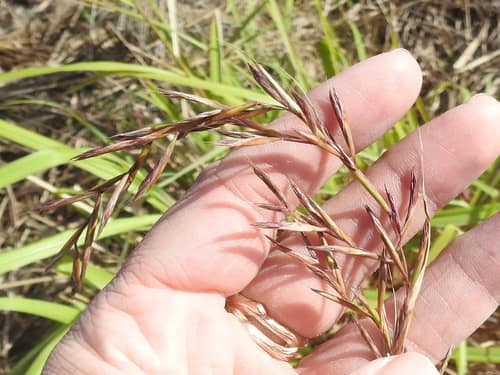
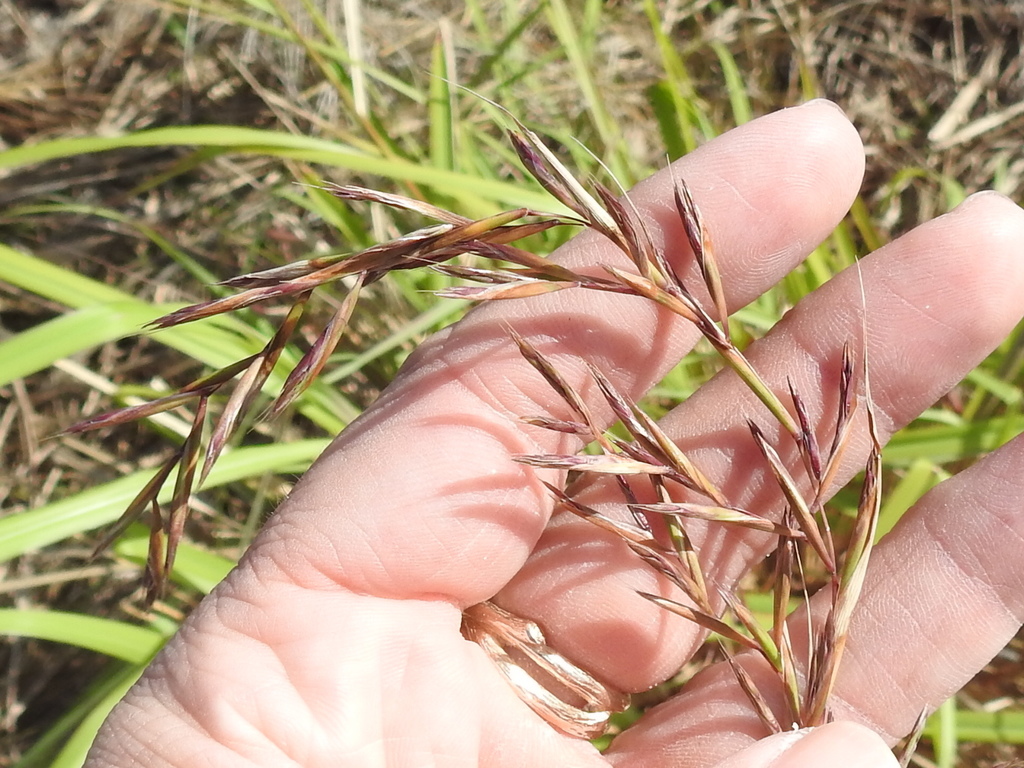
—observations
—countries
—peak records
Not EvaluatedConservation statusIUCN Red List categoriesLCNTVUENCREWEXNot Evaluated — not placed on the risk ladderRed List categories, explained →
Diet & prey
- Autotrophic (Photosynthesis)
Predators
- Grasshoppers
- Spider Mites
- Aphids
ThreatsSevere Frost, Overwatering, Root Rot
HabitatsTropical Grasslands, Cultivated Gardens, Riparian Edges
Life span3–5 years (Perennial)
Size / weightNot available
Classification
- OrderPoales
- FamilyPoaceae
- GenusCymbopogon
- SpeciesCymbopogon citratus
Range data is not available yet.
Interaction riskHigh
- Low
- Moderate
- High
- Very high
- Why interaction risk is high
- Leaves contain essential oils toxic to dogs and cats if ingested; keep away from pets.
- Why it is dangerous
- Contains essential oils like citral that disrupt digestion and cause toxicity in cats and dogs.
- How to recognize a risky encounter
- Forms dense clumps of tall, blue-green reed-like blades with sharp, finely serrated edges.
- What to do
- Keep pet animals away from plantings and wear gardening gloves when trimming coarse leaves.
Responsible observation
- Aroma Test: Gently rub a leaf blade between your fingers to release the sharp lemon fragrance.
- Harvest Technique: Use shears to cut stalks near ground level rather than pulling blades by hand.
- Leaf Safety: Avoid running bare skin quickly along leaf margins to prevent minor paper-like cuts.
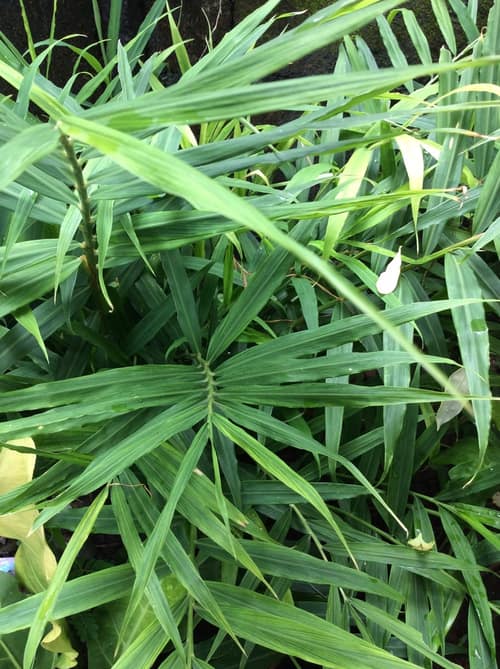
Frequent Companion (c) Greg III Espera, some rights reserved (CC BY), uploaded by Greg III Espera · cc-by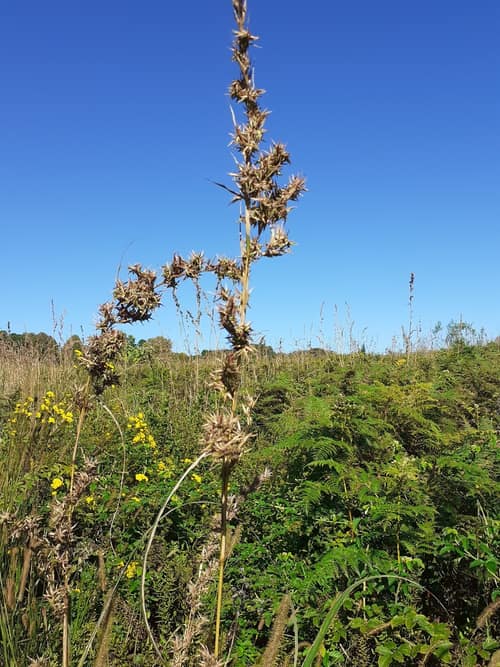
Close Relative (c) grabbarg, some rights reserved (CC BY-SA), uploaded by grabbarg · cc-by-sa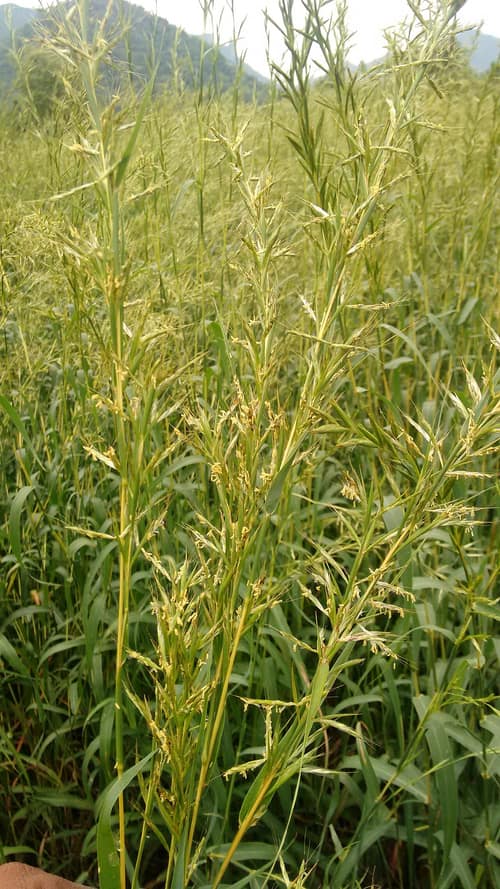
Close Relative Agasthiar1 / CC BY-SA 4.0 · cc-by-sa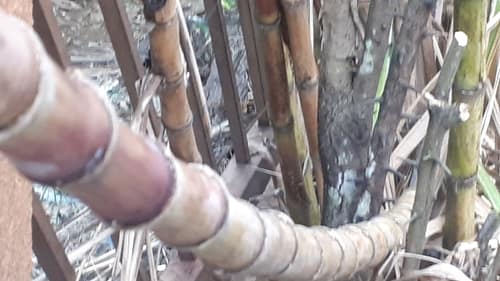
Family Relative (c) Ong Jyh Seng, some rights reserved (CC BY-SA), uploaded by Ong Jyh Seng · cc-by-sa
Help improve the field guideSomething wrong?
Checking your Fauna account…Report a name, category, or profile issue for review.