
Plant · GBIF taxon 2705185
Johnson Grass
Sorghum halepenseAlso known as Johnsongrass, Aleppo Grass, Egyptian Grass, Commercial Grass
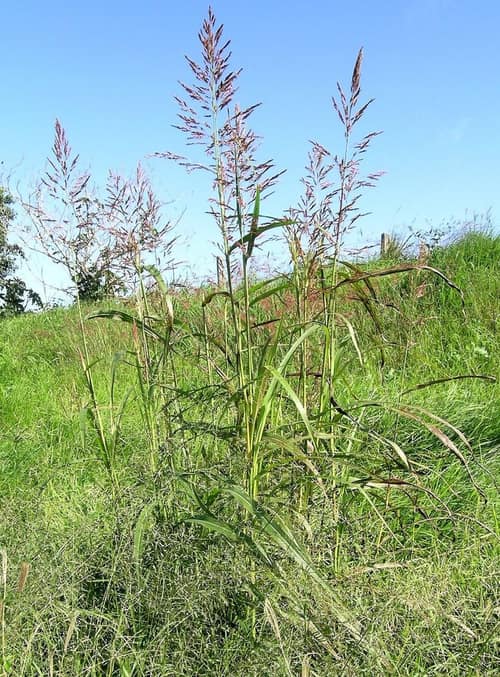
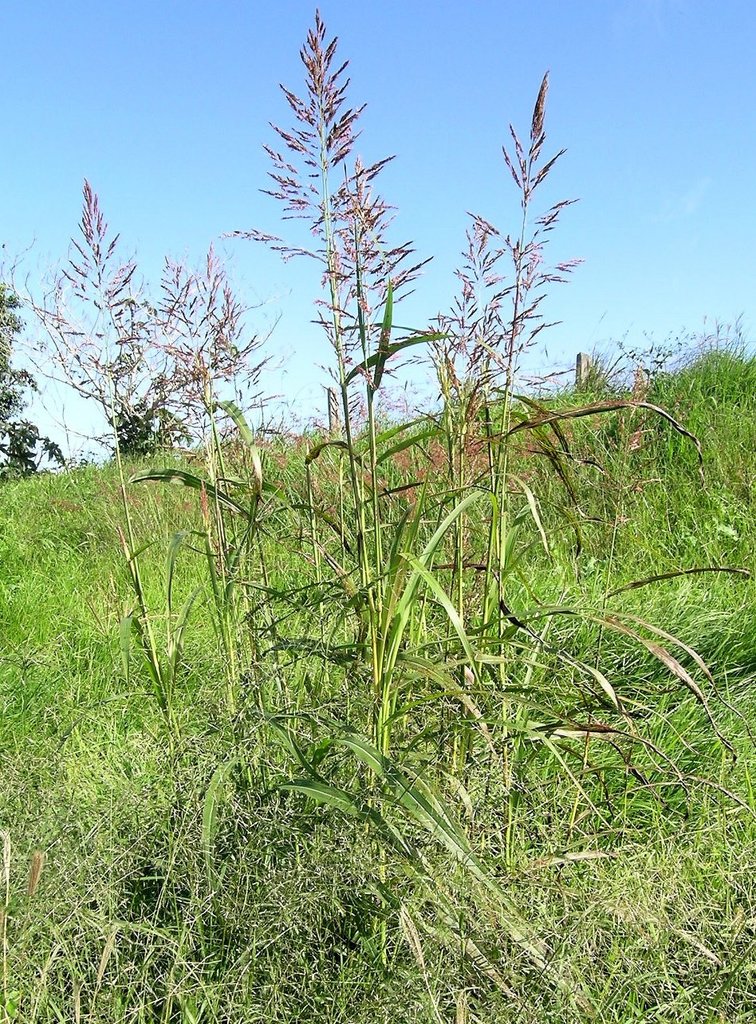
Johnson grass is an aggressive perennial grass renowned for its dual reproductive strategy, spreading prolifically through both extensive underground rhizome networks and wind-dispersed seeds. Originally introduced to many regions as a potential forage crop, it rapidly invades agricultural fields, roadsides, and ditch banks, outcompeting native flora and cash crops alike. Under stress from frost or drought, its tissues synthesize dangerous levels of prussic acid, posing a serious hazard to grazing livestock.
InvasiveGrassPerennial
—observations
—countries
—peak records
Least ConcernConservation statusIUCN Red List categoriesLCNTVUENCREWEXLeast ConcernRed List categories, explained →
Diet & prey
- Photosynthetic
Predators
- Fall Armyworm
- Differential Grasshopper
- Domestic Cattle
ThreatsHerbicide application, intensive mechanical tilling, and competitive cover cropping
HabitatsAgricultural fields, pastures, roadsides, irrigation canals, and disturbed grasslands
Life spanPerennial; individual rhizomes persist across multiple growing seasons
Size / weightNot available
Classification
- OrderPoales
- FamilyPoaceae
- GenusSorghum
- SpeciesSorghum halepense
Range data is not available yet.
Interaction riskHigh
- Low
- Moderate
- High
- Very high
- Why interaction risk is high
- Foliage produces toxic prussic acid and nitrates that can be fatal to grazing livestock and pets.
- Why it is dangerous
- Tissues contain dhurrin, a cyanogenic glycoside that releases hydrogen cyanide when wilted or frosted, causing cellular asphyxiation in livestock.
- How to recognize a risky encounter
- Recognize the tall cane-like stems, loose purplish-bronze flowering panicles, and leaves with a prominent white central vein.
- What to do
- Do not let horses, cattle, or pets graze stands that are stressed, stunted, or frosted, and wear gloves when hand-pulling.
Responsible observation
- Identification: Spot the distinctive wide, glossy leaves marked by a bold white central midrib.
- Pasture Safety: Keep livestock away from stands following early autumn frosts or prolonged drought.
- Spreading Prevention: Clean mowers and farm implements thoroughly to avoid transferring root fragments.
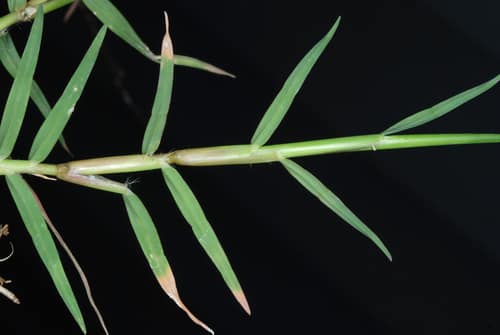
Competitor (c) Douglas Goldman, some rights reserved (CC BY-SA), uploaded by Douglas Goldman · cc-by-sa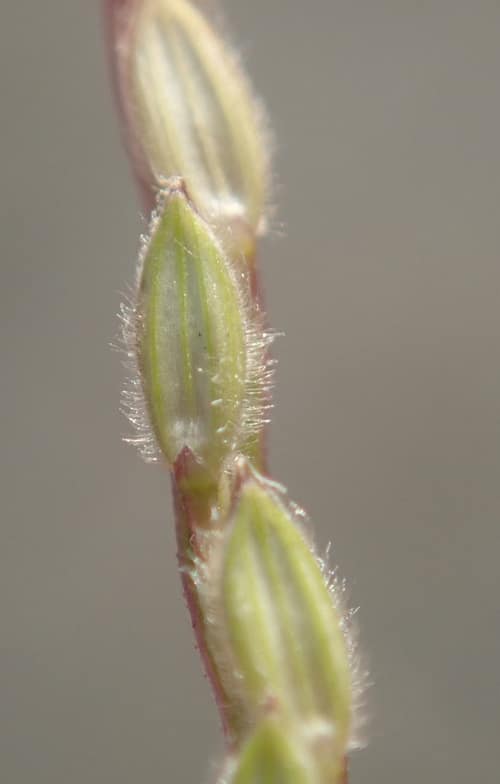
Competitor (c) Thomas Gyselinck, some rights reserved (CC BY), uploaded by Thomas Gyselinck · cc-by
Close Relative (c) L.J. Lamera, some rights reserved (CC BY), uploaded by L.J. Lamera · cc-by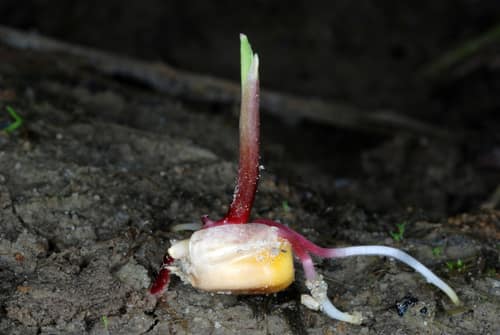
Same Family (c) Douglas Goldman, some rights reserved (CC BY-SA), uploaded by Douglas Goldman · cc-by-sa
Help improve the field guideSomething wrong?
Checking your Fauna account…Report a name, category, or profile issue for review.