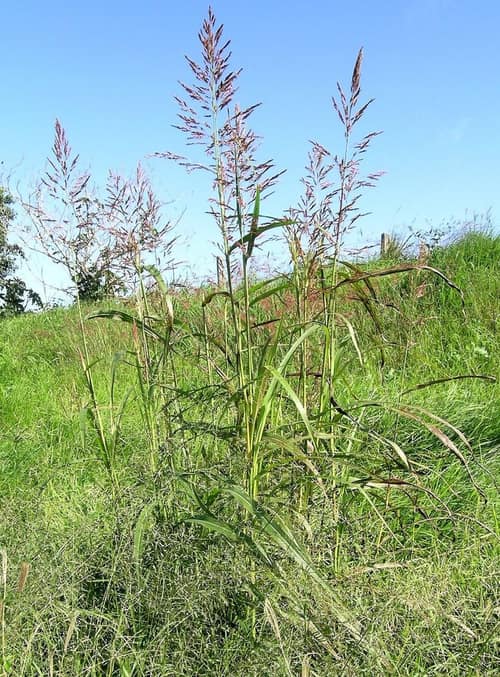
Also known as Great Millet, Broomcorn, Milo, Jowar
Sorghum is a remarkably drought-resilient cereal grass that thrives in arid and semi-arid regions where other major crops fail. Its extensive root system and ability to enter dormancy during severe dry spells make it an indispensable staple grain for millions across Africa and South Asia. Beyond feeding humans and livestock, its sturdy fibrous stalks are harvested globally for brooms, bioethanol, and industrial bioplastics.
ThreatsFungal pathogens such as anthracnose and grain mold, parasitic witchweed (Striga), and insect stem borers
HabitatsArid and semi-arid grasslands, agricultural fields, savannas, and disturbed roadsides
Life spanTypically 4–6 months as an annual, rarely perennial in frost-free climates
Size / weightNot available
Classification
OrderPoales
FamilyPoaceae
GenusSorghum
SpeciesSorghum bicolor
Range & activity
Range data is not available yet.
Safe observation
Interaction riskHigh
Low
Moderate
High
Very high
Why interaction risk is high
Young or drought-stressed shoots contain cyanogenic glycosides; toxic to livestock and pets if consumed raw.
Why it is dangerous
Young vegetative tissues contain dhurrin, a cyanogenic glycoside that breaks down into lethal hydrogen cyanide when damaged, causing rapid respiratory failure in livestock and pets.
How to recognize a risky encounter
Look for tall, maize-like cane stalks bearing dense terminal clusters of rounded, hard grains varying from creamy white to deep reddish-brown.
What to do
Do not let pets or livestock graze young, damaged, or drought-stunted foliage; observe or harvest mature seed heads safely without touching wilted sprouts.
Responsible observation
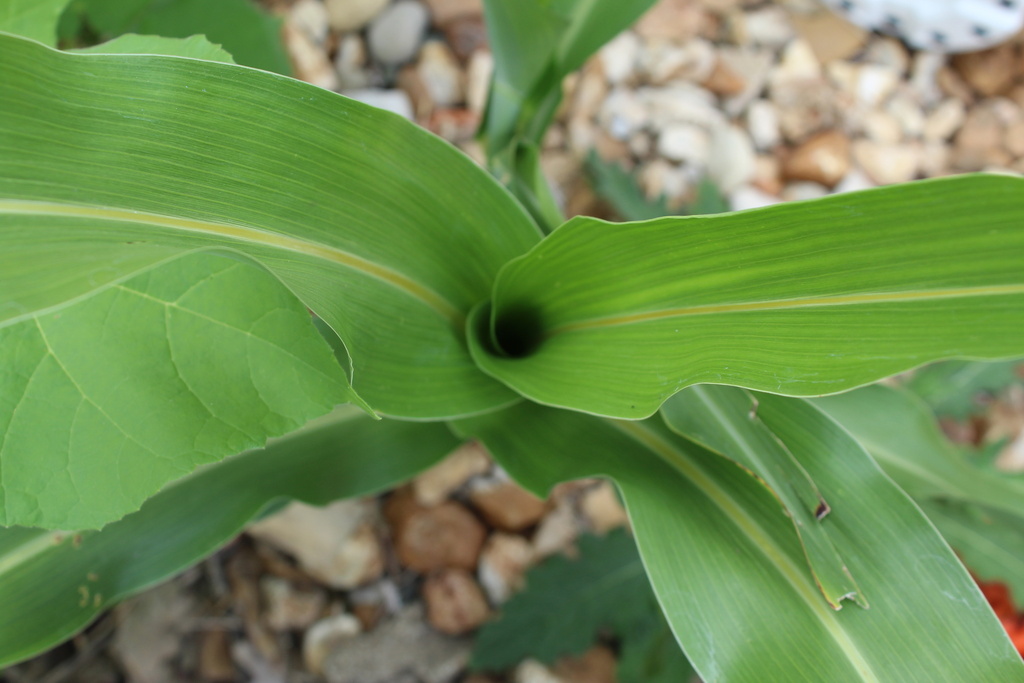
Field identification: Look for broad, corn-like leaves with prominent white midribs and a dense, branched terminal seed head.
Pasture management: Keep grazing livestock away from young wilted or frosted shoots to prevent cyanide poisoning.


 1 / 7
1 / 7
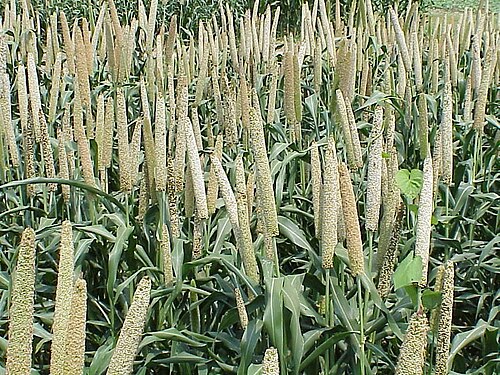
 Image unavailable