
Plant
Blue Fescue
Festuca glaucaAlso known as Grey Fescue, Silver Fescue
Blue fescue forms neat, bristling domes of needle-fine foliage colored in steely shades of silver, icy blue, and sea green. Native to dry rocky slopes and open montane grasslands of southwestern Europe, it relies on a dense, fibrous root network and narrow rolled blades to conserve moisture through intense heat. In early summer, slender culms rise above the basal tussock to bear delicate, light green to purplish flower spikelets that mature into golden seed heads.
Drought-TolerantOrnamentalPerennial
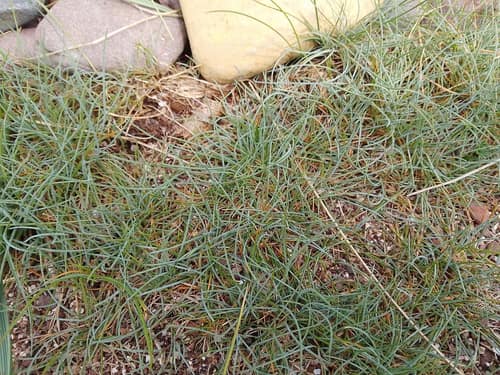
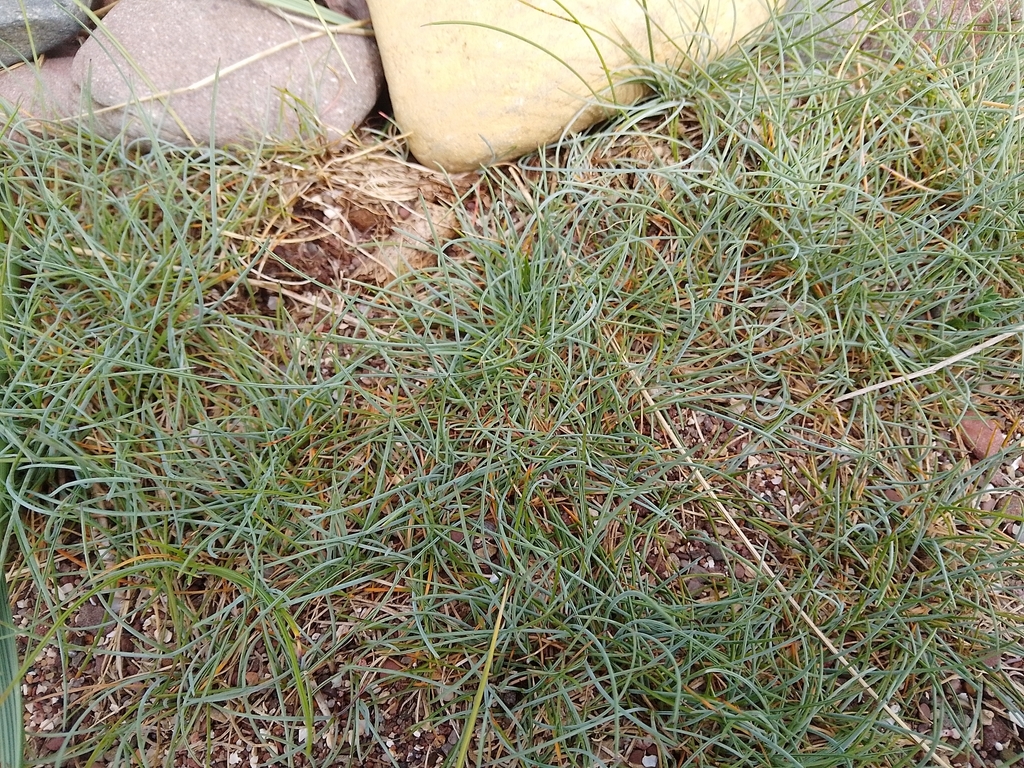
—observations
—countries
—peak records
Not EvaluatedConservation statusIUCN Red List categoriesLCNTVUENCREWEXNot Evaluated — not placed on the risk ladderRed List categories, explained →
Diet & preyAutotrophic (Photosynthetic)
Predators
- European Rabbit
- Domestic Sheep
- Grasshopper
ThreatsExcessive soil moisture, overcrowding by aggressive vegetation, and root rot
HabitatsDry grasslands, rocky montane slopes, scree, and gravelly open soils
Life span3–5 years per clump
Classification
- OrderPoales
- FamilyPoaceae
- GenusFestuca
- SpeciesFestuca glauca
Range data is not available yet.
Interaction riskLow
- Low
- Moderate
- High
- Very high
- Why interaction risk is low
- Safe to observe at a normal distance.
Responsible observation
- Spring grooming: Comb fingers or a small hand rake through the mound to remove dead winter foliage.
- Soil check: Look for this grass in gritty, fast-draining substrate since heavy clay causes crown rot.
- Inspect clump center: Older clumps naturally die out in the middle and require dividing to stay vigorous.
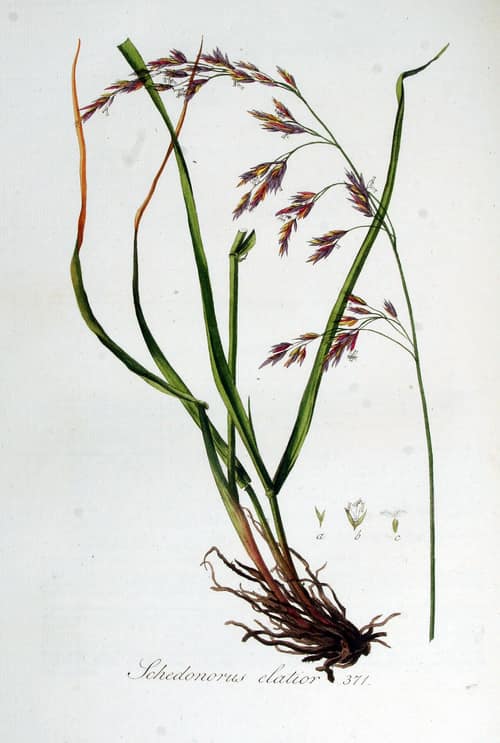
Same Genus Jan Kops / Public domain · cc0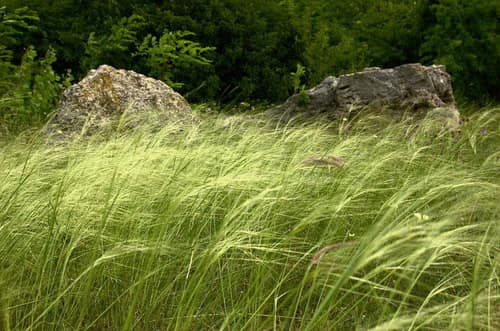
Neighbor Stanislav Doronenko / CC BY 3.0 · cc-by Image unavailable
Close Relative 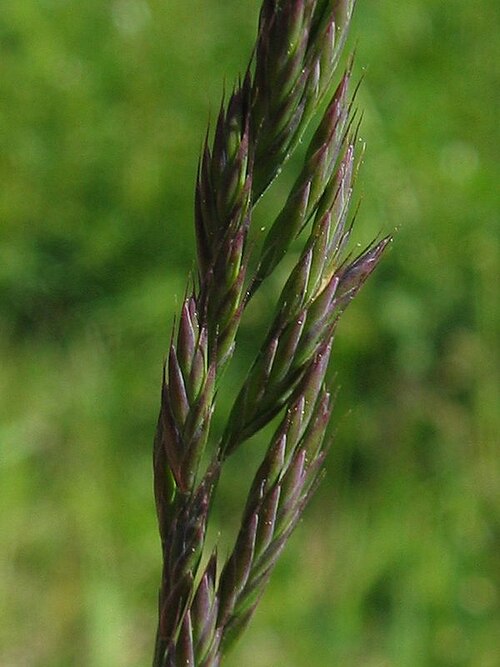
Close Relative Kristian Peters -- Fabelfroh 12:31, 9 September 2006 (UTC) / CC BY-SA 3.0 · cc-by-sa
Help improve the field guideSomething wrong?
Checking your Fauna account…Report a name, category, or profile issue for review.