
Plant · GBIF taxon 2705020
Rough Fescue
Festuca halliiAlso known as Plains Rough Fescue, Piper Plains Rough Fescue, Hall's Fescue
Plains rough fescue forms dense, long-lived tussocks that anchor native northern fescue prairies across the Great Plains and foothills. Plants develop a deep, fibrous root network that stabilizes topsoil and tolerates severe winter freezes while conserving moisture through late summer droughts. It serves as a keystone forage species that cures naturally on the stem, offering critical high-protein winter nutrition for grazing wildlife.
GrassPerennialPrairie
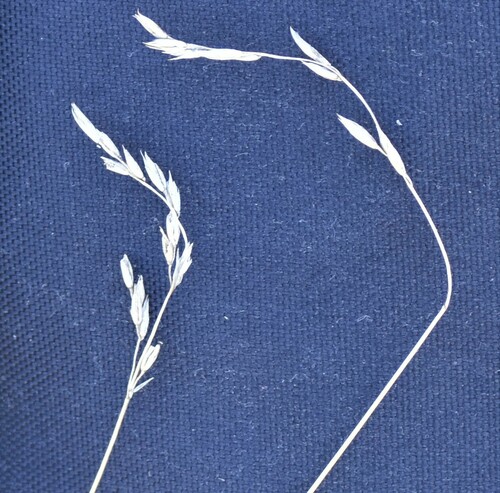
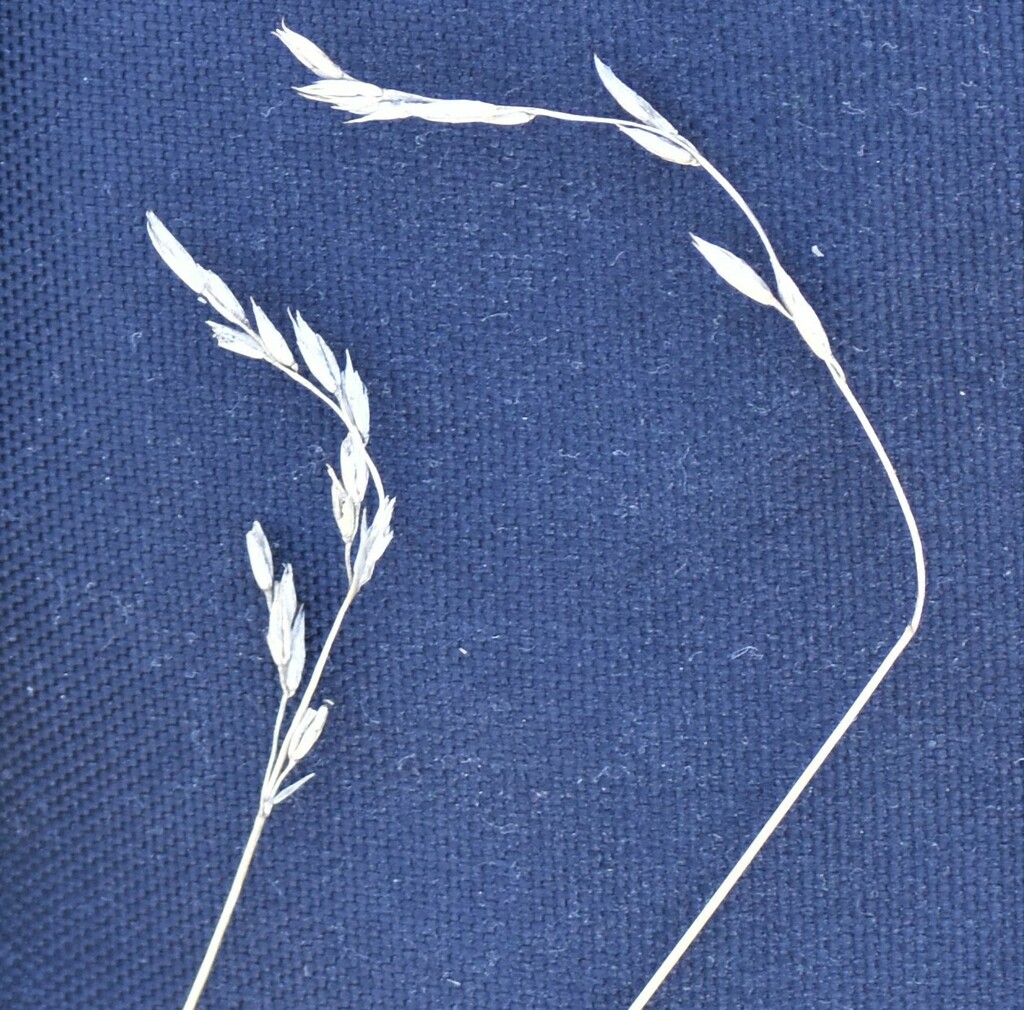
—observations
—countries
—peak records
Not EvaluatedConservation statusIUCN Red List categoriesLCNTVUENCREWEXNot Evaluated — not placed on the risk ladderRed List categories, explained →
Diet & prey
- Photoautotrophic (sunlight, water, atmospheric carbon dioxide, and soil minerals)
Predators
- American bison
- Elk
- Domestic cattle
ThreatsAgricultural conversion, excessive early-season livestock grazing, and invasive exotic grasses
HabitatsNative fescue grasslands, moist prairie swales, parklands, open woodlands, and foothills
Life spanPerennial (individual tussocks can persist for several decades)
Size / weightNot available
Classification
- FamilyPoaceae
- SpeciesFestuca hallii
Range data is not available yet.
Interaction riskLow
- Low
- Moderate
- High
- Very high
- Why interaction risk is low
- Safe to observe at a normal distance.
Responsible observation
- Identification: Look for stiff, rough-textured, tightly inrolled leaf blades with prominent pale basal sheaths.
- Tread Lightly: Stay on established prairie paths, as crowns of mature tussocks recover slowly from trampling.
- Phenology: Search during late spring and early summer when flowering panicles emerge above the vegetative tufts.
 Image unavailable
Same Genus 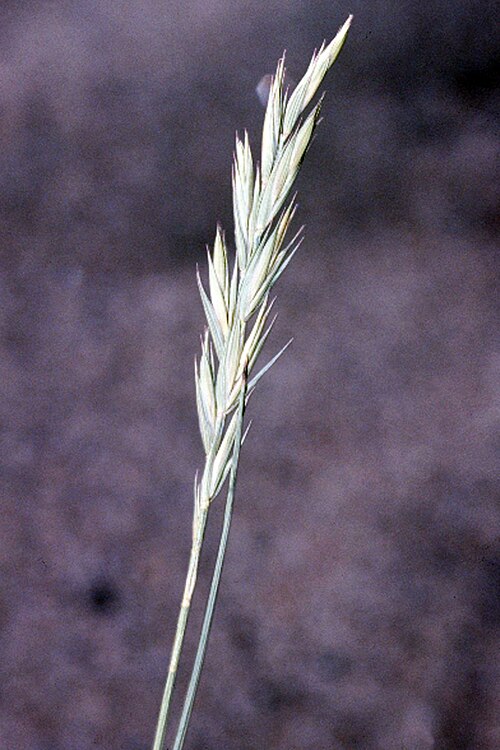
Frequent Companion Robert H. Mohlenbrock. USDA SCS. 1989. Midwest wetland flora: Field office illustrated guide to plant species. Midwest National Technical Center, Lincoln. Courtesy of USDA NRCS Wetland Science Institute. / Public domain · cc0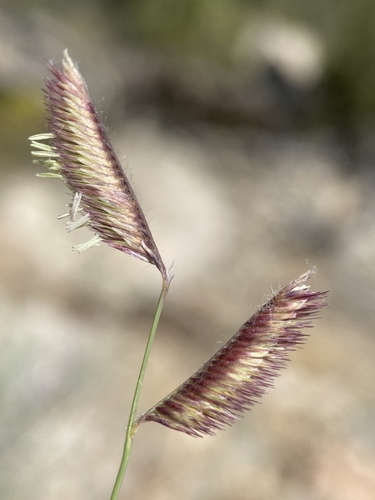
Frequent Companion (c) Matt Berger, some rights reserved (CC BY), uploaded by Matt Berger · cc-byClose Relative Close Relative
Help improve the field guideSomething wrong?
Checking your Fauna account…Report a name, category, or profile issue for review.