
Plant
Smut Grass
Sporobolus indicusAlso known as Indian Dropseed, West Indian Dropseed, Smutgrass
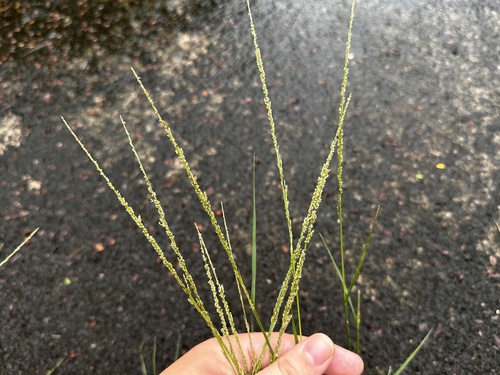
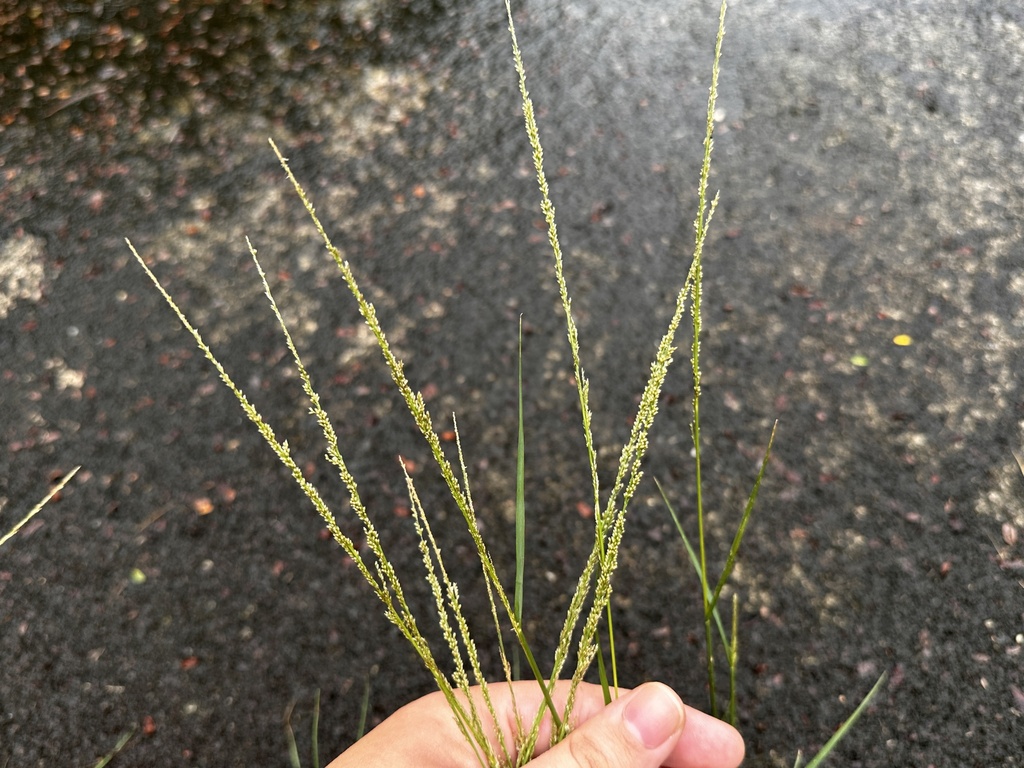
Smut grass is a tough, clump-forming perennial grass native to tropical regions but now widely naturalized across warm temperate zones worldwide. It derives its common name from the dark, soot-like fungus that frequently infects its compact, spike-like seedheads late in the season. Unpalatable to cattle once mature, it rapidly dominates heavily grazed pastures, lawns, and compacted roadsides where other plants struggle.
PerennialGrassesWeedy
—observations
—countries
—peak records
Least ConcernConservation statusIUCN Red List categoriesLCNTVUENCREWEXLeast ConcernRed List categories, explained →
Diet & preyPhotosynthetic
Predators
- Grazing livestock (young shoots)
- Grasshoppers
- Herbivorous beetles
ThreatsHerbicide application, pasture improvement practices, intensive mechanical mowing
HabitatsPastures, lawns, roadsides, disturbed fields, open woodlands
Life spanPerennial (5–10+ years)
Classification
- OrderPoales
- FamilyPoaceae
- GenusSporobolus
- SpeciesSporobolus indicus
Range data is not available yet.
Interaction riskLow
- Low
- Moderate
- High
- Very high
- Why interaction risk is low
- Safe to observe at a normal distance.
Responsible observation
- Identification: Look for long, narrow, tightly packed flowering spikes that often turn blackish with fungal spores as they age.
- Habitat Clues: Search along disturbed pasture borders and compacted track margins where foot traffic reduces competition.
- Management Note: Dig out deep fibrous root crowns early to prevent rapid reseeding in lawn areas.
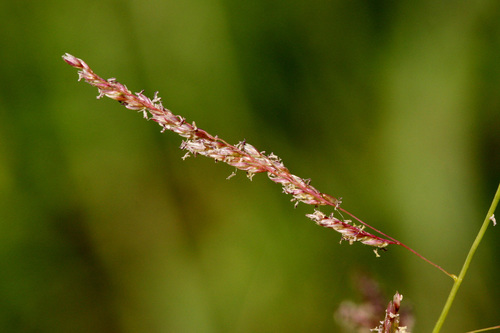
Close Relative no rights reserved · cc0 Image unavailable
Close Relative 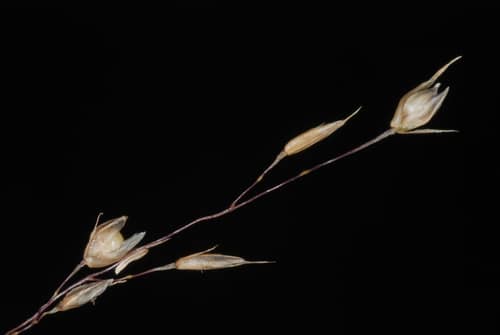
Close Relative (c) Douglas Goldman, some rights reserved (CC BY-SA), uploaded by Douglas Goldman · cc-by-sa
Help improve the field guideSomething wrong?
Checking your Fauna account…Report a name, category, or profile issue for review.