
Plant
Indiangrass
Sorghastrum nutansAlso known as Indian Grass, Yellow Indian Grass, Wood Grass
Indiangrass dominates tallgrass prairies across central and eastern North America, reaching striking heights with plumelike, golden-yellow flower heads in late summer. Broad blue-green leaves turn rich shades of bronze and gold in autumn, providing critical winter forage and nesting cover for grassland birds and small mammals. Highly drought-tolerant once established, this deep-rooted native perennial plays an essential role in stabilizing prairie soils and supporting wildlife.
PrairieNative GrassGolden Plumes
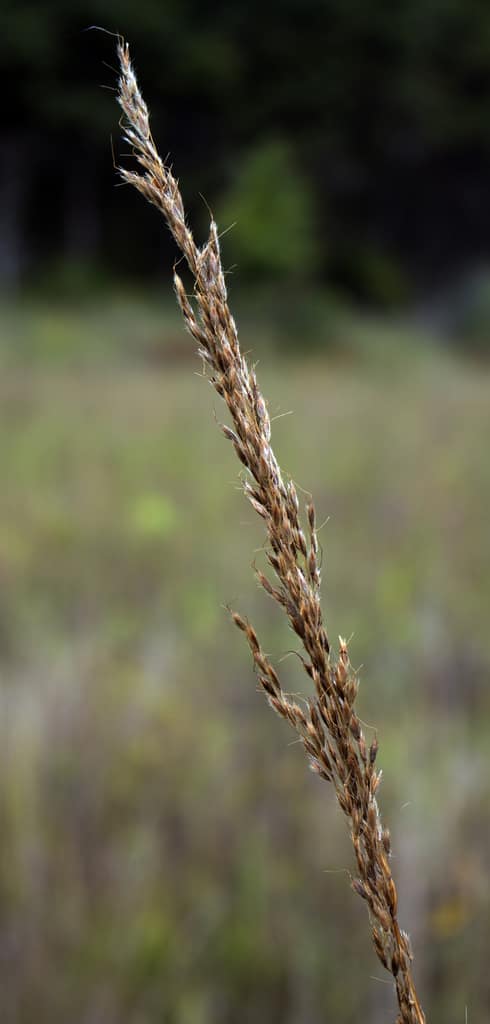
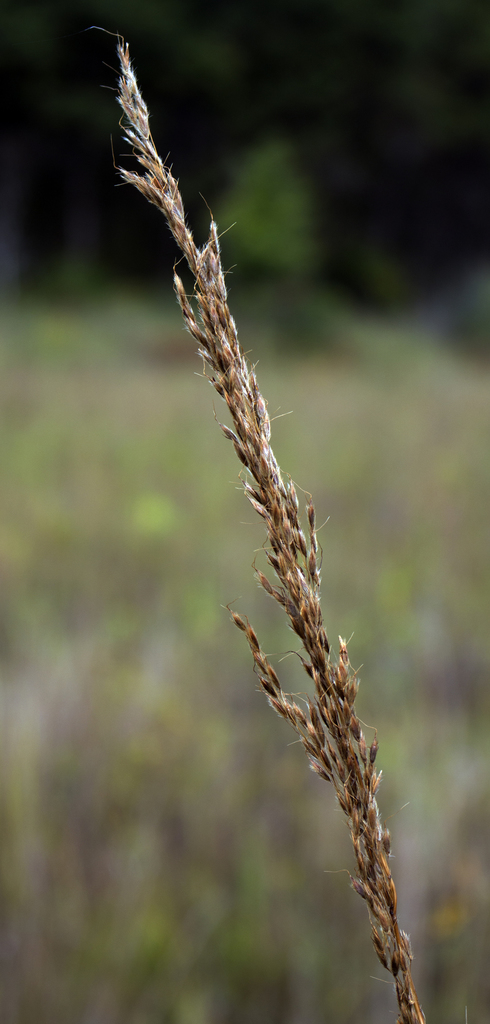
—observations
—countries
—peak records
Least ConcernConservation statusIUCN Red List categoriesLCNTVUENCREWEXLeast ConcernRed List categories, explained →
Diet & preyAutotrophic (Photosynthetic)
Predators
- Bison
- Cattle
- Grasshoppers
ThreatsHabitat loss, overgrazing, fire suppression, land conversion
HabitatsTallgrass prairies, savannahs, open woodlands, pastures, roadsides
Life spanPerennial (decades via rhizomes)
Classification
- OrderPoales
- FamilyPoaceae
- GenusSorghastrum
- SpeciesSorghastrum nutans
Range data is not available yet.
Interaction riskLow
- Low
- Moderate
- High
- Very high
- Why interaction risk is low
- Safe to observe at a normal distance.
Responsible observation
- Best Viewing: Look for bright golden flower plumes in late summer through mid-autumn.
- Garden Planting: Sowing native seeds in full sun creates low-maintenance wildlife habitat.
- Wildlife Watching: Check autumn stands for sparrows and songbirds foraging on seeds.
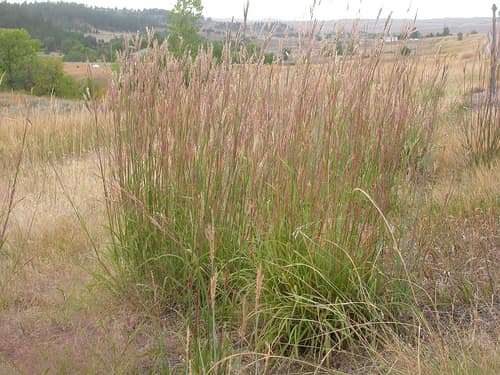
Prairie Companion Matt Lavin from Bozeman, Montana, USA / CC BY-SA 2.0 · cc-by-sa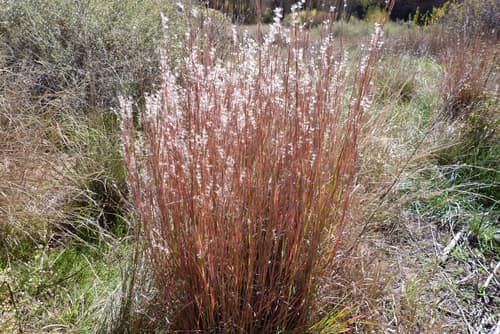
Prairie Companion (c) Colin Meurk, some rights reserved (CC BY-SA), uploaded by Colin Meurk · cc-by-sa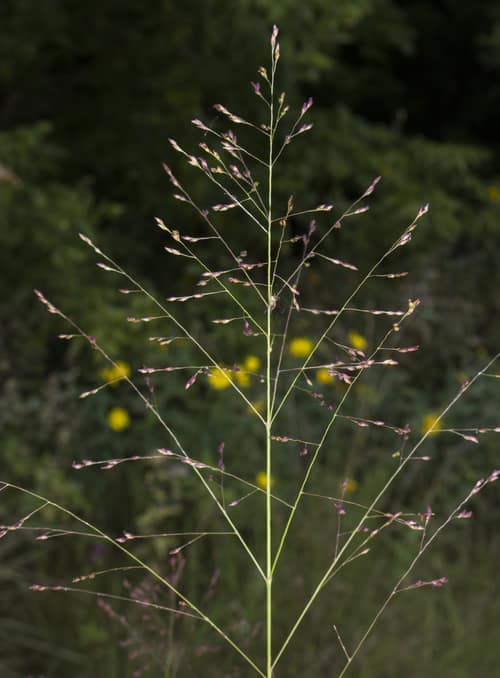
Prairie Companion (c) aarongunnar, some rights reserved (CC BY), uploaded by aarongunnar · cc-by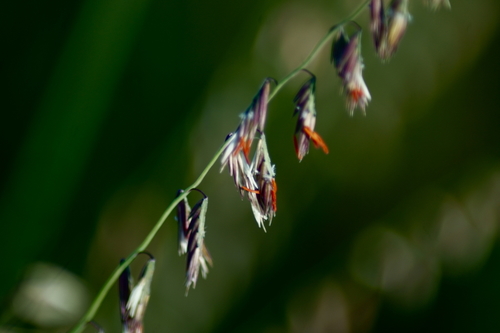
Prairie Companion (c) psweet, some rights reserved (CC BY-SA), uploaded by psweet · cc-by-sa
Help improve the field guideSomething wrong?
Checking your Fauna account…Report a name, category, or profile issue for review.