
Plant · GBIF taxon 2704178
Smooth Meadow-grass
Poa pratensisAlso known as Kentucky Bluegrass, Common Meadow-Grass, June Grass
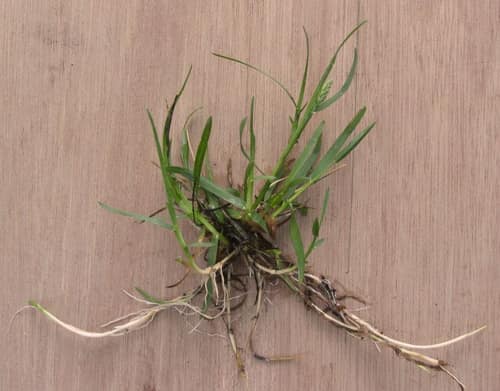
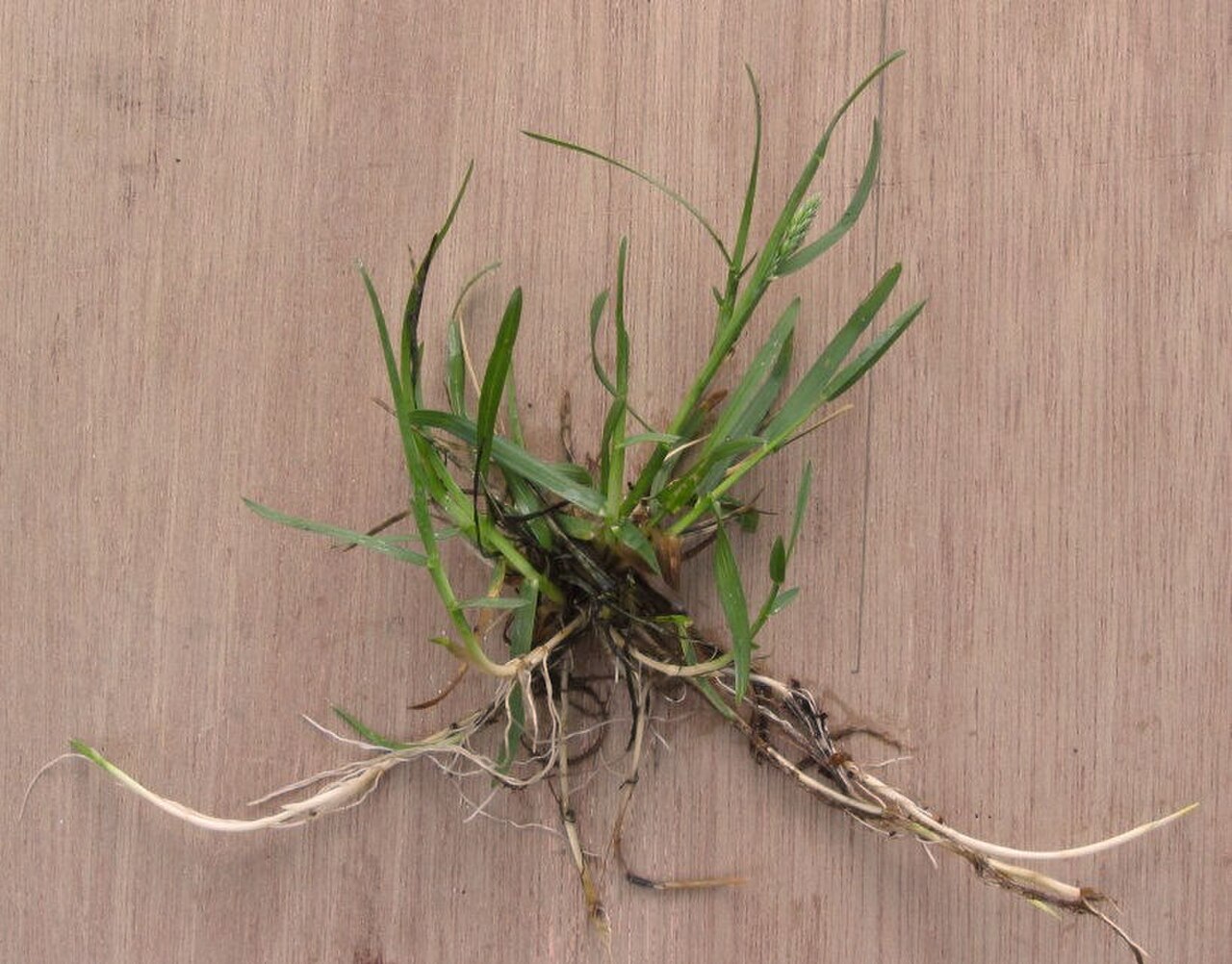
Smooth meadow-grass forms dense, carpet-like turf by spreading through an extensive network of underground creeping rhizomes. Its foliage features characteristic boat-shaped leaf tips and a soft, bluish-green hue that matures into open, pyramid-shaped flowering panicles in late spring. Widely cultivated for lawns and pastures, it thrives in well-drained, fertile soils while displacing native vegetation across disturbed North American grasslands.
PerennialTurfgrassWind-Pollinated
—observations
—countries
—peak records
Least ConcernConservation statusIUCN Red List categoriesLCNTVUENCREWEXLeast ConcernRed List categories, explained →
Diet & prey
- Photosynthetic
Predators
- Grazing Livestock
- Herbivorous Insects
- Waterfowl
ThreatsSevere drought, extreme overgrazing, habitat modification in native range
HabitatsMeadows, lawns, pastures, roadsides, disturbed grasslands
Life spanPerennial (clones can persist for decades)
Size / weightNot available
Classification
- OrderPoales
- FamilyPoaceae
- GenusPoa
- SpeciesPoa pratensis
Range data is not available yet.
Interaction riskLow
- Low
- Moderate
- High
- Very high
- Why interaction risk is low
- Safe to observe at a normal distance.
Responsible observation
- Identification: Check for distinctly boat-shaped leaf tips and smooth, flattened stem bases.
- Seasonal Timing: Look for open pyramidal seed heads bursting with pale purple spikelets in late spring.
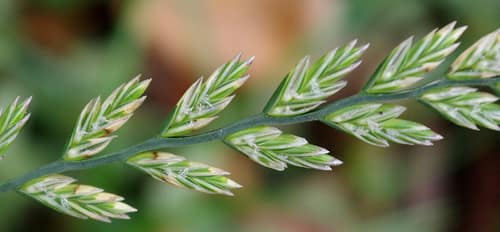
Frequent Companion (c) Георгий Виноградов (Georgy Vinogradov), some rights reserved (CC BY), uploaded by Георгий Виноградов (Georgy Vinogradov) · cc-by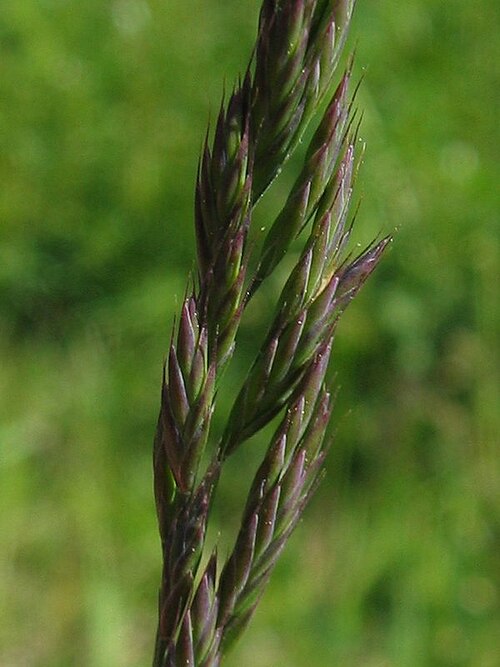
Frequent Companion Kristian Peters -- Fabelfroh 12:31, 9 September 2006 (UTC) / CC BY-SA 3.0 · cc-by-sa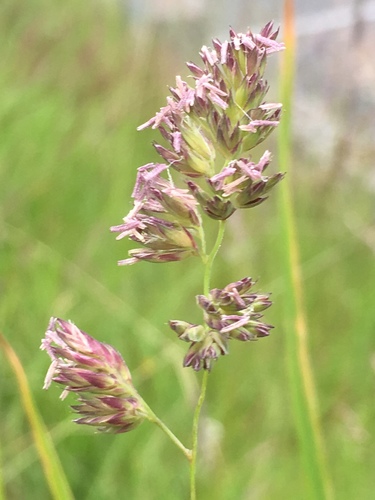
Competitor (c) Harry Podschwit, some rights reserved (CC BY), uploaded by Harry Podschwit · cc-by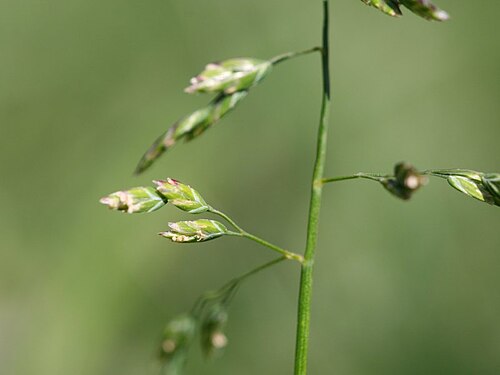
Close Relative Kristian Peters -- Fabelfroh 10:06, 7 May 2007 (UTC) / CC BY-SA 3.0 · cc-by-sa
Help improve the field guideSomething wrong?
Checking your Fauna account…Report a name, category, or profile issue for review.