
Plant
Giant Reed
Arundo donaxAlso known as Giant Cane, Spanish Cane, Wild Cane, Carrizo
Towering along riverbanks, ditches, and wetlands, giant reed forms dense, impenetrable thickets that can grow up to ten centimeters a day under ideal conditions. Its massive underground rhizome networks anchor deep in riparian soils, consuming vast quantities of water and outcompeting native willows and cottonwoods. Widely cultivated for thousands of years to produce woodwind reeds, weaving material, and erosion barriers, it has escaped to become one of the most aggressive invasive plants in warm temperate and subtropical waterways worldwide.
PerennialInvasiveWetland
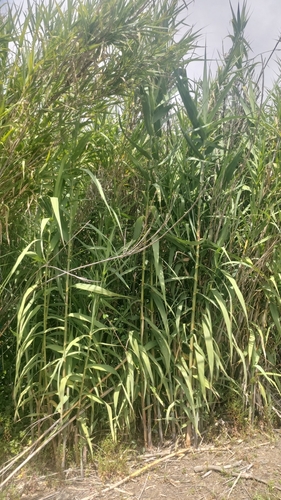
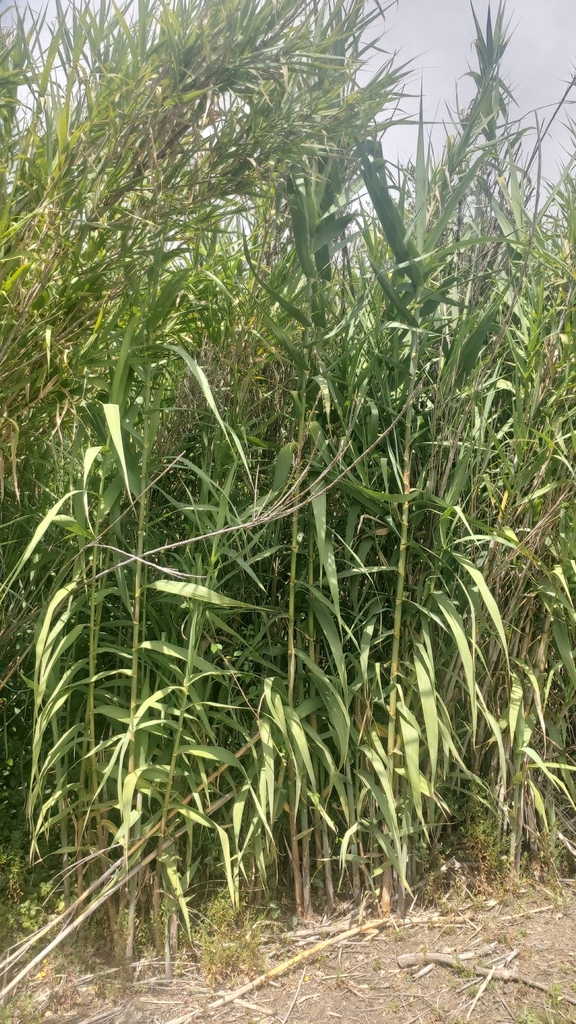
—observations
—countries
—peak records
Least ConcernConservation statusIUCN Red List categoriesLCNTVUENCREWEXLeast ConcernRed List categories, explained →
Diet & preyPhotoautotrophic (absorbs sunlight, water, and soil minerals)
Predators
- Arundo gall wasp (Tetramesa romana)
- Arundo scale (Rhizaspidiotus donacis)
- Arundo leaf miner (Lasioptera donacis)
ThreatsHerbicide treatments, mechanical removal, and biological control agents
HabitatsRiparian zones, riverbanks, irrigation canals, floodplains, and damp roadsides
Life spanPerennial (clones can persist for decades or centuries)
Classification
- OrderPoales
- FamilyPoaceae
- GenusArundo
- SpeciesArundo donax
Range data is not available yet.
Interaction riskLow
- Low
- Moderate
- High
- Very high
- Why interaction risk is low
- Safe to observe at a normal distance; sharp leaf edges can cause minor paper-like cuts.
Responsible observation
- Field Identification: Check the leaf base where blades clasp the thick, hollow stem like corn stalks.
- Fire Safety: Steer clear of dense stands during dry conditions, as dead canes fuel intense wildfire.
- Spread Prevention: Clean muddy boots and gear thoroughly to avoid transporting viable rhizome fragments.
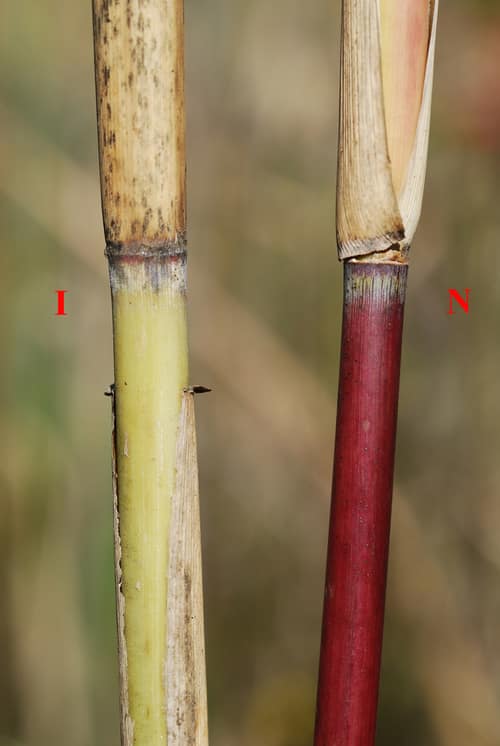
Ecological Competitor (c) Douglas Goldman, some rights reserved (CC BY-SA), uploaded by Douglas Goldman · cc-by-sa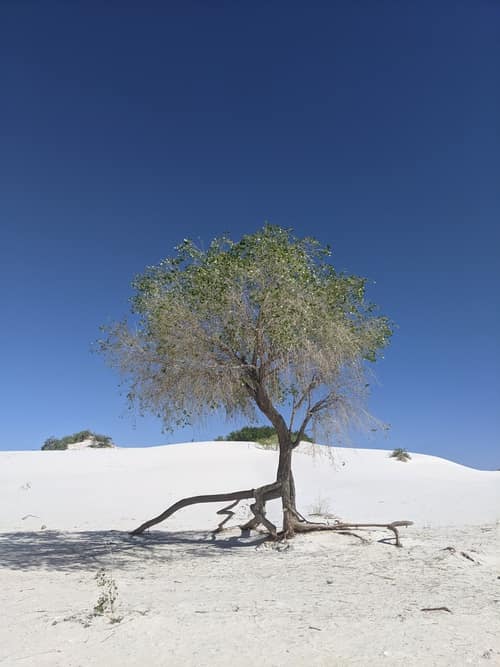
Displaced Native (c) Daniel Z, some rights reserved (CC BY) · cc-by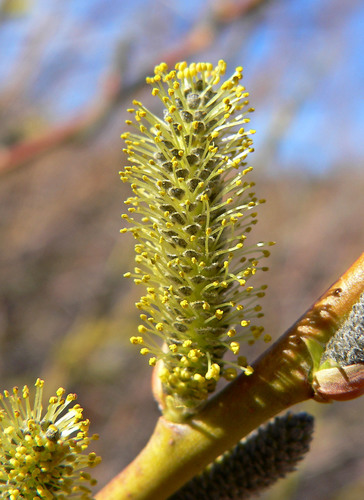
Displaced Native (c) Stan Shebs, some rights reserved (CC BY-SA) · cc-by-sa Image unavailable
Close Relative
Help improve the field guideSomething wrong?
Checking your Fauna account…Report a name, category, or profile issue for review.