
Plant · GBIF taxon 2702870
Saint Augustine Grass
Stenotaphrum secundatumAlso known as Buffalo Turf, Buffalo Grass, Charleston Grass
Saint Augustine grass spreads vigorously via flattened stolons that root at the nodes, creating a coarse, dense carpet of broad, blue-green leaf blades. Naturally adapted to coastal environments, it exhibits high salt tolerance and thrives in warm, humid climates where other lawn grasses struggle. It stands out among warm-season grasses for its ability to maintain growth under moderate shade from tree canopies.
Warm-SeasonTurfgrassCoastal
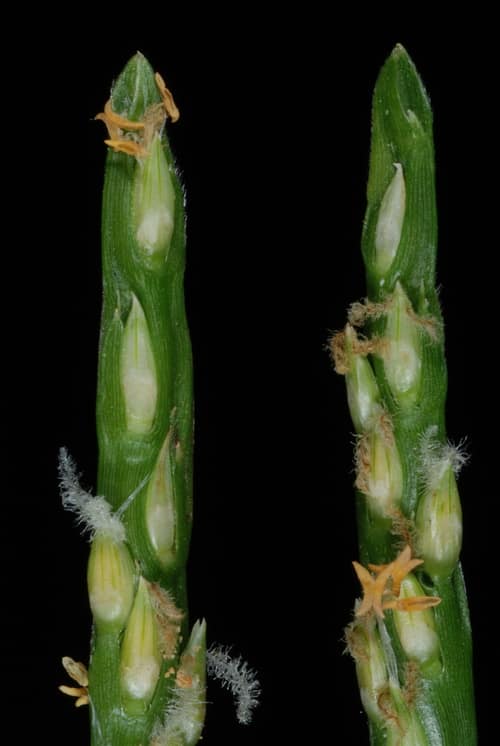
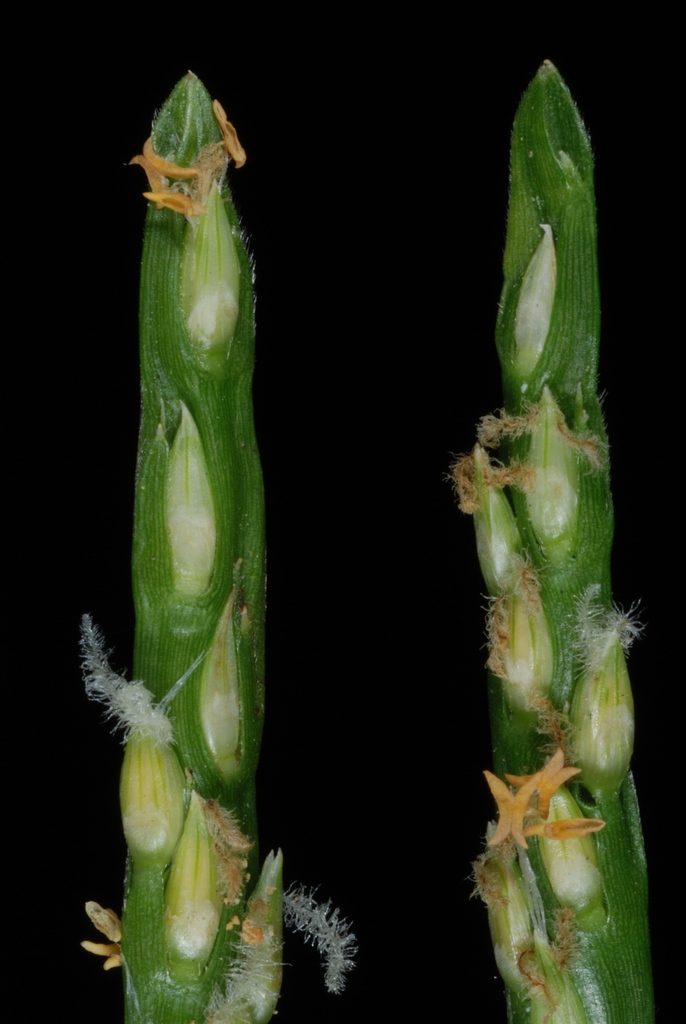 1 / 7
1 / 7—observations
—countries
—peak records
Least ConcernConservation statusIUCN Red List categoriesLCNTVUENCREWEXLeast ConcernRed List categories, explained →
Diet & prey
- Autotrophic (Photosynthesis)
Predators
- Southern Chinch Bug
- Sod Webworm
- Lawn Armyworm
ThreatsChinch bug infestations, fungal diseases, prolonged freezing temperatures
HabitatsCoastal dunes, lawns, pastures, riverbanks, disturbed coastal sites
Life spanPerennial
Size / weightNot available
Classification
- OrderPoales
- FamilyPoaceae
- GenusStenotaphrum
- SpeciesStenotaphrum secundatum
Range data is not available yet.
Interaction riskLow
- Low
- Moderate
- High
- Very high
- Why interaction risk is low
- Safe to observe at a normal distance.
Responsible observation
- Identification: Look for broad, flat blades with rounded tips and coarse, thick stolons creeping across the soil surface.
- Lawn Maintenance: Keep mowing height around 8 to 10 centimeters to protect the dense stolon layer beneath.
- Observation: Check leaf sheaths for small sap-sucking insects during warm, dry periods.
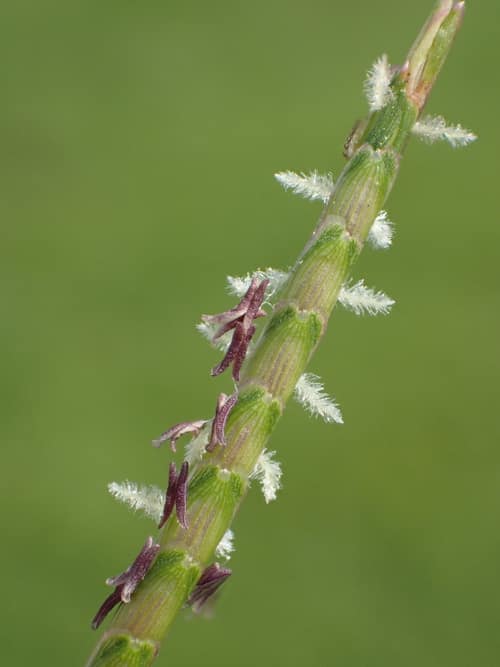
Competitor no rights reserved, uploaded by 葉子 · cc0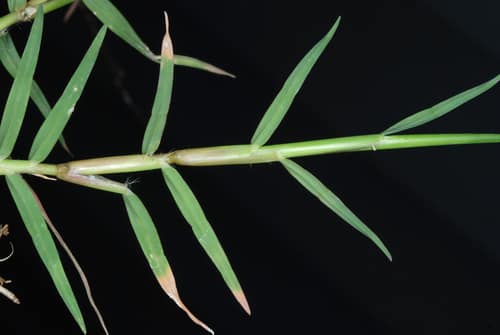
Competitor (c) Douglas Goldman, some rights reserved (CC BY-SA), uploaded by Douglas Goldman · cc-by-sa Image unavailable
Predator
Help improve the field guideSomething wrong?
Checking your Fauna account…Report a name, category, or profile issue for review.