
Plant
Greater Quaking Grass
Briza maximaAlso known as Blowfly Grass, Big Quaking Grass, Large Quaking Grass, Rattlesnake Grass
Greater quaking grass produces distinctive, pendant spikelets that dangle from slender thread-like stems and tremble continuously in the slightest breeze. Native to the Mediterranean basin, this annual ornamental grass has readily escaped gardens across temperate zones worldwide, establishing dense colonies in dry grasslands, coastal bluffs, and roadsides. Its papery seed heads transition from pale green flushed with purple to a delicate golden-straw tone by midsummer.
AnnualWind-PollinatedOrnamental
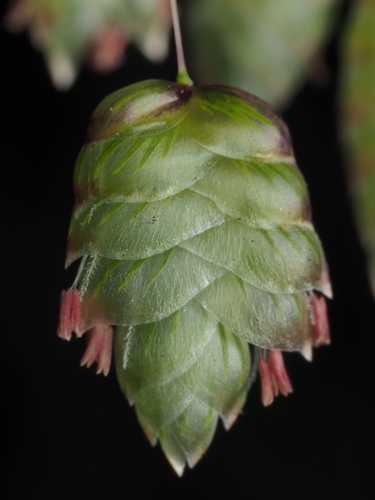
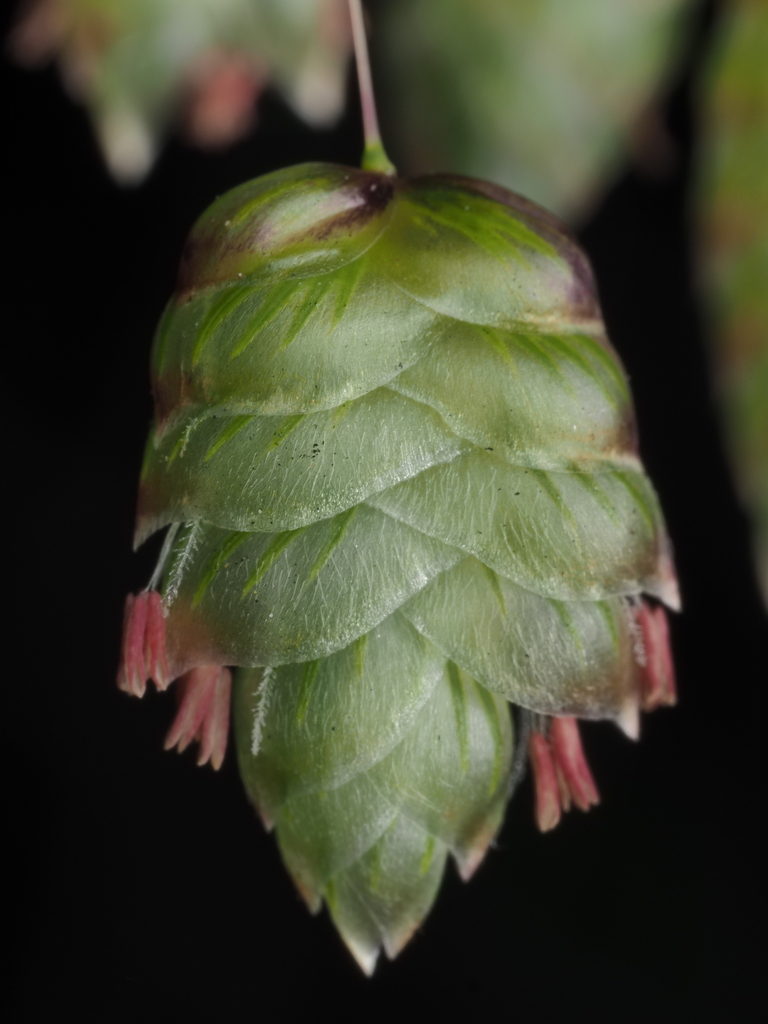
—observations
—countries
—peak records
Least ConcernConservation statusIUCN Red List categoriesLCNTVUENCREWEXLeast ConcernRed List categories, explained →
Diet & preyPhotosynthetic autotroph (sunlight, water, soil minerals)
Predators
- European Rabbit
- Domestic Sheep
- Grasshopper
ThreatsHerbicide application and agricultural land conversion in its native range
HabitatsDry grasslands, coastal dunes, roadsides, pastures, and disturbed ground
Life spanAnnual (lives 4–8 months within a single growing season)
Classification
- OrderPoales
- FamilyPoaceae
- GenusBriza
- SpeciesBriza maxima
Range data is not available yet.
Interaction riskLow
- Low
- Moderate
- High
- Very high
- Why interaction risk is low
- Safe to observe at a normal distance.
Responsible observation
- Field Identification: Look for large, flattened, lantern-like spikelets that nod and flutter on hair-thin stalks.
- Seed Dispersal: Avoid brushing against dry summer stands to prevent spreading seeds into uninvaded native habitats.
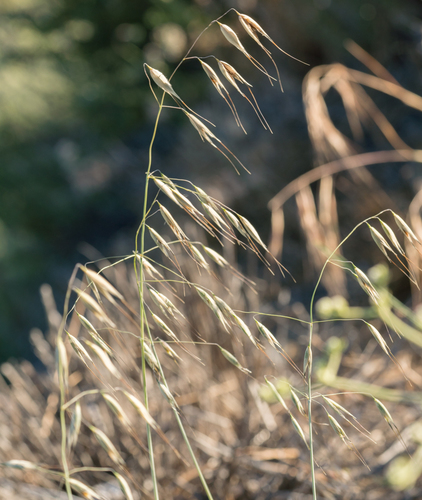
Competitor no rights reserved, uploaded by Jesse Rorabaugh · cc0 Image unavailable
Neighbor Close Relative 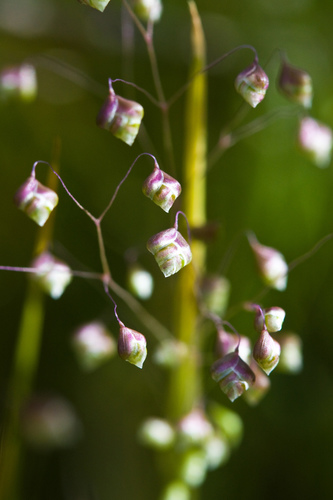
Close Relative (c) Ken-ichi Ueda, some rights reserved (CC BY) · cc-by
Help improve the field guideSomething wrong?
Checking your Fauna account…Report a name, category, or profile issue for review.