
Plant · GBIF taxon 2701529
Spreading Rush
Juncus patensAlso known as California Grey Rush, California Gray Rush
Spreading rush forms dense, arching tussocks of stiff, cylindrical blue-gray stems that provide vital shoreline stabilization along Pacific waterways. Unlike many wetland sedges and rushes, it tolerates prolonged summer drought by entering semi-dormancy once soils dry out. Small brownish flower clusters emerge laterally near the stem tips in summer, offering crucial seed forage for songbirds and shelter for amphibians.
WetlandPerennialDrought-Tolerant
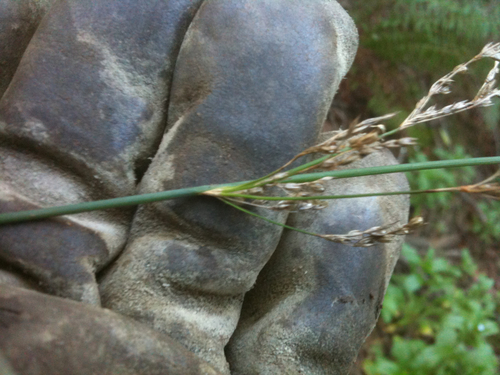
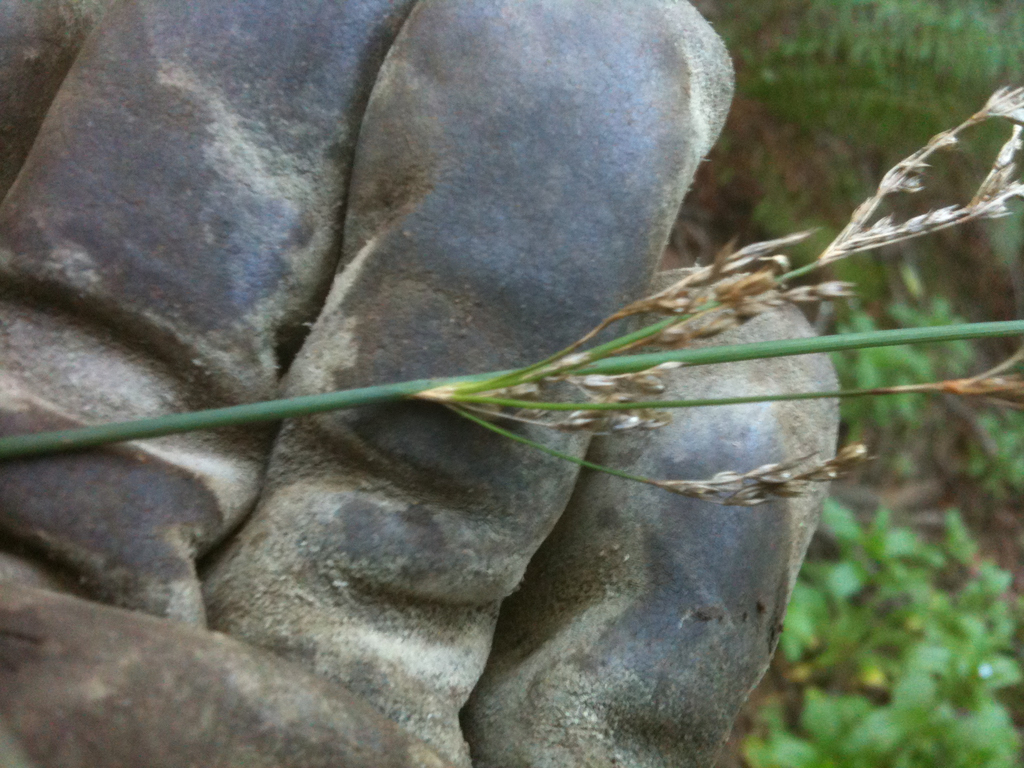
Licensed reference(c) Ken-ichi Ueda, some rights reserved (CC BY) · cc-by
—observations
—countries
—peak records
Least ConcernConservation statusIUCN Red List categoriesLCNTVUENCREWEXLeast ConcernRed List categories, explained →
Diet & prey
- Autotrophic (photosynthetic)
Predators
- Mule deer
- Waterfowl
- Granivorous songbirds
ThreatsRiparian habitat destruction, channelization, and invasive weeds
HabitatsMarshes, stream banks, vernal pools, and seasonal seeps
Life spanPerennial (typically 5–15 years)
Size / weightNot available
Classification
- OrderPoales
- FamilyJuncaceae
- GenusJuncus
- SpeciesJuncus patens
Range data is not available yet.
Interaction riskLow
- Low
- Moderate
- High
- Very high
- Why interaction risk is low
- Safe to observe at a normal distance.
Responsible observation
- Field Identification: Roll a stem between your fingers to confirm the solid, round structure distinct from triangular sedges.
- Restoration Landscaping: Plant along bioswales or rain gardens to naturally filter urban runoff and control soil erosion.
 Image unavailable
Frequent Companion 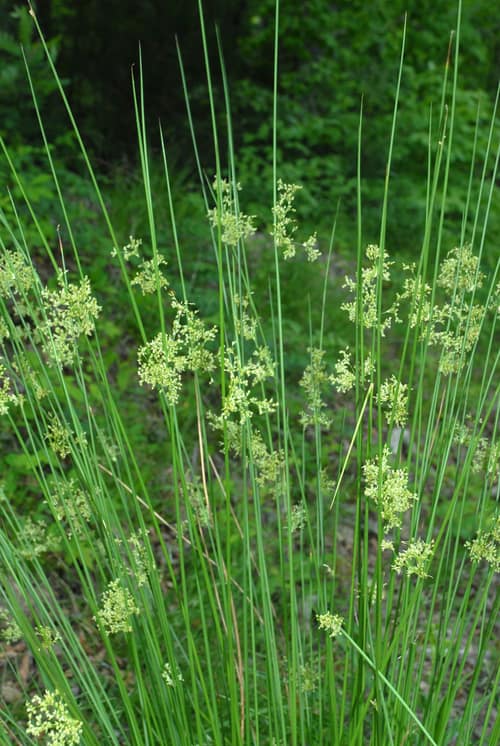
Close Relative (c) Douglas Goldman, some rights reserved (CC BY-SA), uploaded by Douglas Goldman · cc-by-saClose Relative
Help improve the field guideSomething wrong?
Checking your Fauna account…Report a name, category, or profile issue for review.