
Plant
Rock Spikemoss
Selaginella rupestrisAlso known as Northern Selaginella, Ledge Spike-Moss, Bird Nest Moss, Rock Selaginella
Forming low, grayish-green cushions across open stone ledges, rock spikemoss survives severe drought by curling its creeping branches into tight, dormant balls that rapidly rehydrate and green up after rainfall. Unlike true mosses, this ancient lycophyte possesses vascular tissue and produces two distinct sizes of spores inside four-angled terminal cones. The species plays a key ecological role on barren granite and sandstone exposures, slowly catching grit and organic debris to begin the process of soil formation.
LycophyteDrought-TolerantSpore-Bearing
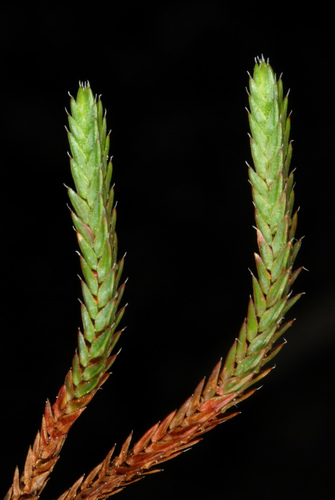
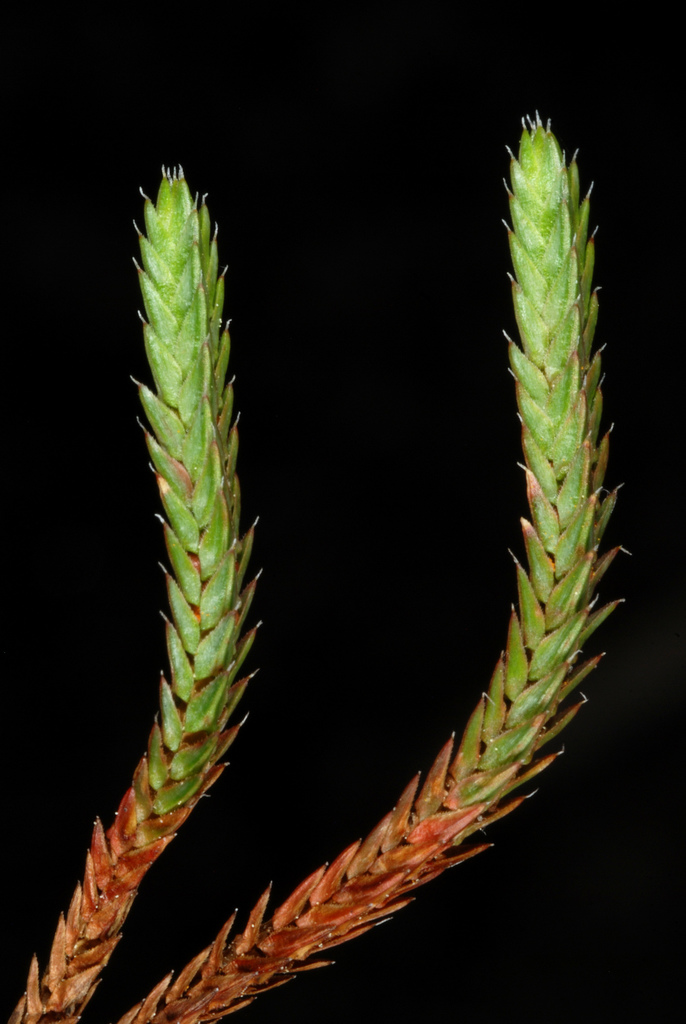
—observations
—countries
—peak records
Not EvaluatedConservation statusIUCN Red List categoriesLCNTVUENCREWEXNot Evaluated — not placed on the risk ladderRed List categories, explained →
Diet & preyAutotrophic (photosynthesis)
ThreatsTrampling from foot traffic, rock climbing disturbance, and quarrying
HabitatsExposed granite outcrops, sandstone ledges, dry rocky slopes, and sandy barrens
Life spanPerennial (mats persist for decades)
Classification
- OrderSelaginellales
- FamilySelaginellaceae
- GenusSelaginella
- SpeciesSelaginella rupestris
Range data is not available yet.
Interaction riskLow
- Low
- Moderate
- High
- Very high
- Why interaction risk is low
- Safe to observe at a normal distance.
Responsible observation
- Moisture Response: Watch for curled, dry cushions during droughts that rapidly unfurl within hours of a passing shower.
- Footwear Awareness: Step strictly on bare rock surfaces, because these brittle mats peel loose easily when walked on.
- Microscope Viewing: Use a hand lens to see the pale, hair-like bristles extending from the tip of each tiny scale leaf.
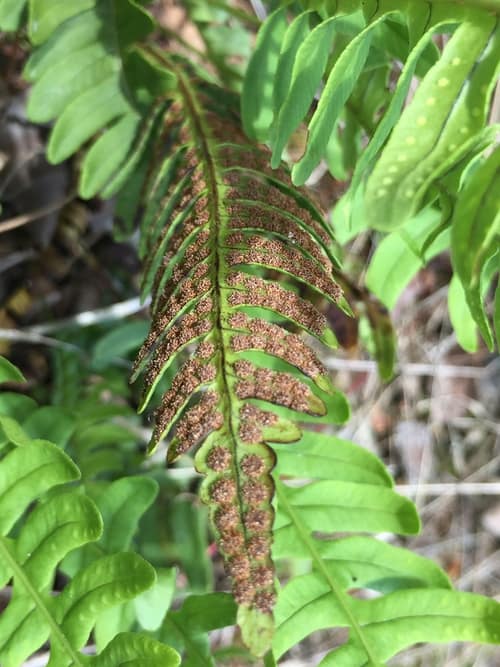
Frequent Companion (c) Mary Krieger, some rights reserved (CC BY) · cc-by Image unavailable
Close Relative 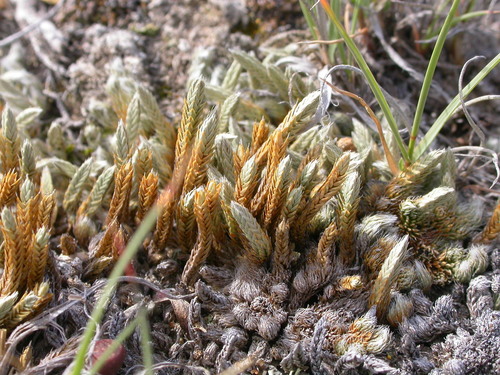
Close Relative (c) Matt Lavin, some rights reserved (CC BY) · cc-by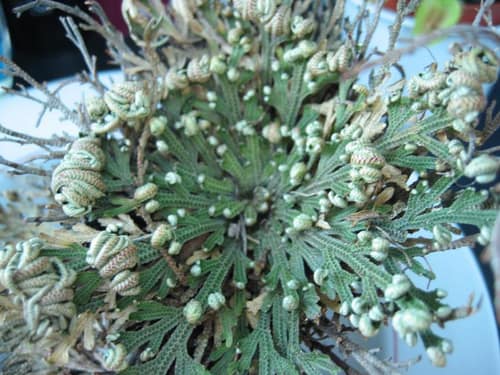
Close Relative Wikimedia Commons / CC BY-SA 3.0 · cc-by-sa
Help improve the field guideSomething wrong?
Checking your Fauna account…Report a name, category, or profile issue for review.