
Plant · GBIF taxon 2688210
Desert Resurrection Moss
Selaginella eremophilaAlso known as Desert Spikemoss, Sonoran Spikemoss
Desert resurrection moss forms low, intricate mats over arid granite outcrops and desert canyons in the Sonoran Desert borderlands. During extended dry spells, its delicate stems curl tightly into brown, dormant balls to protect sensitive tissue from sun and heat. Within hours of rainfall, the fronds unfurl rapidly to carpet bare rock in bright green.
DesertsDrought TolerantAncient Lineage
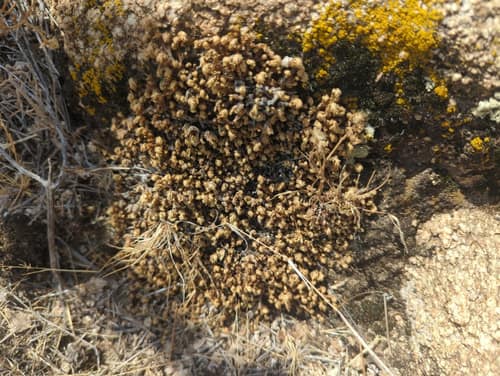
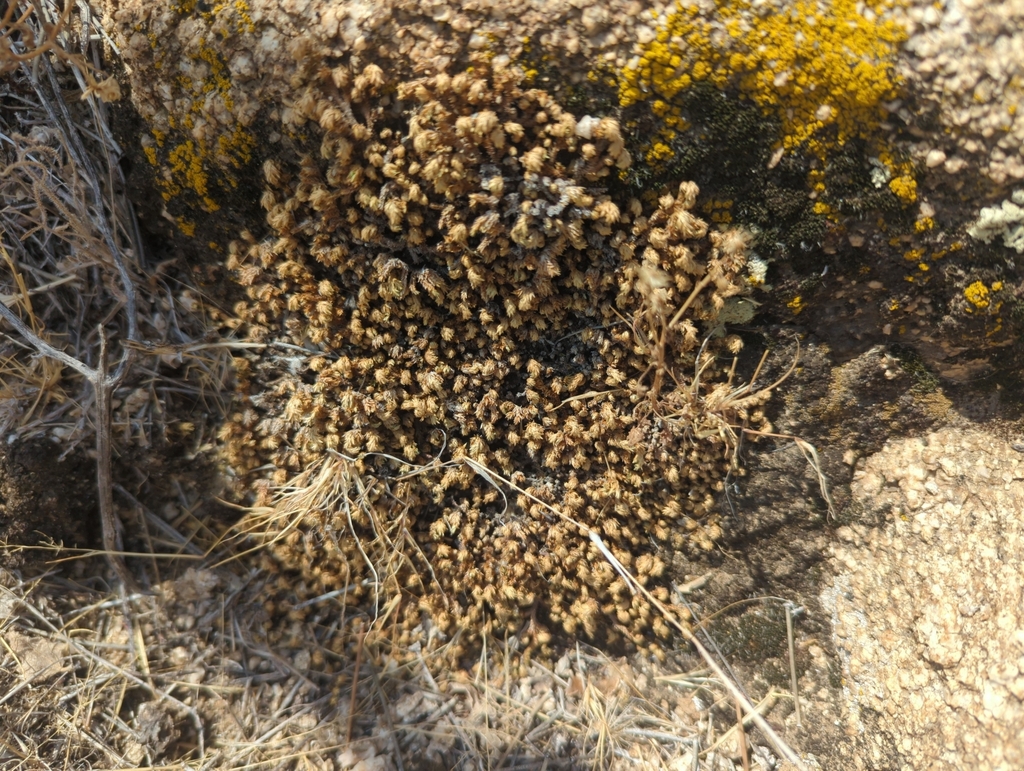
—observations
—countries
—peak records
Not EvaluatedConservation statusIUCN Red List categoriesLCNTVUENCREWEXNot Evaluated — not placed on the risk ladderRed List categories, explained →
Diet & prey
- Autotrophic (Photosynthetic)
Predators
- Desert tortoises
- Herbivorous insects
- Small rodents
ThreatsHabitat degradation, climate change, localized trampling
HabitatsArid rocky slopes, granite outcrops, canyon walls, sandy desert soils
Life spanPerennial
Size / weightNot available
Classification
- FamilySelaginellaceae
- SpeciesSelaginella eremophila
Range data is not available yet.
Interaction riskLow
- Low
- Moderate
- High
- Very high
- Why interaction risk is low
- Safe to observe at a normal distance.
Responsible observation
- Observing moisture response: Mist dry, dormant mats with water to watch them uncurl over several hours.
- Identifying features: Look for tiny lance-shaped leaves tipped with soft, twisted bristles.
- Ethical viewing: Avoid stepping on brittle dry mats, as crisp dormant stems break easily underfoot.
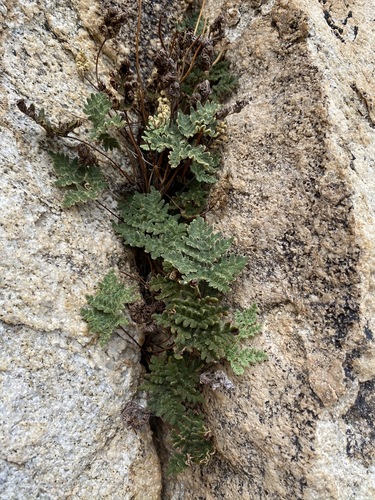
Frequent Companion (c) Matt Berger, some rights reserved (CC BY) · cc-by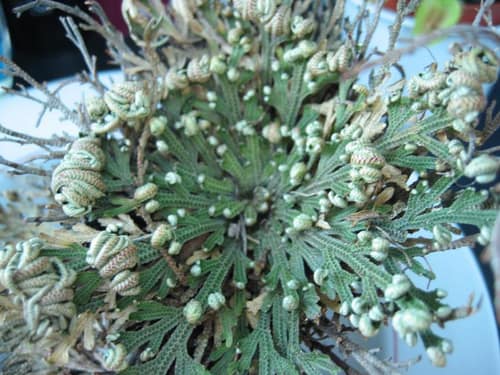
Close Relative Wikimedia Commons / CC BY-SA 3.0 · cc-by-sa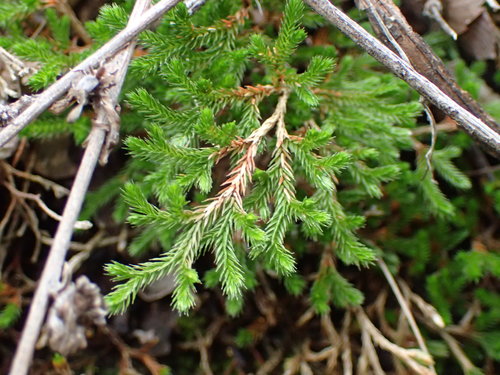
Close Relative (c) George Williams, some rights reserved (CC BY), uploaded by George Williams · cc-by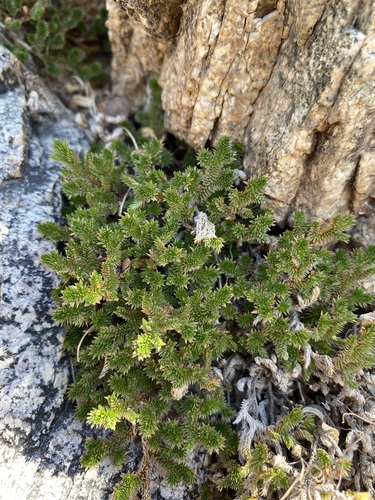
Close Relative (c) Matt Berger, some rights reserved (CC BY) · cc-by
Help improve the field guideSomething wrong?
Checking your Fauna account…Report a name, category, or profile issue for review.