
Plant · GBIF taxon 2687885
Ginkgo
Ginkgo bilobaAlso known as Maidenhair Tree
Ginkgo is a long-lived deciduous tree with fan-shaped leaves divided by radiating forked veins. Its open crown turns clear yellow in autumn, often shedding much of its foliage over a short period.
Ancient LineageFan-shaped LeavesDeciduous Tree
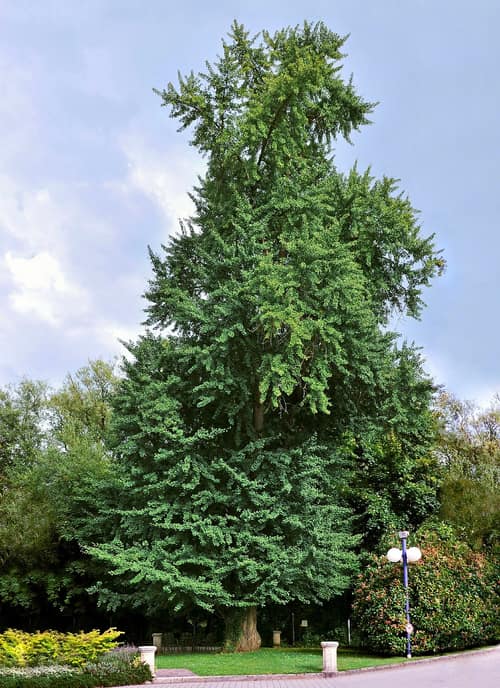
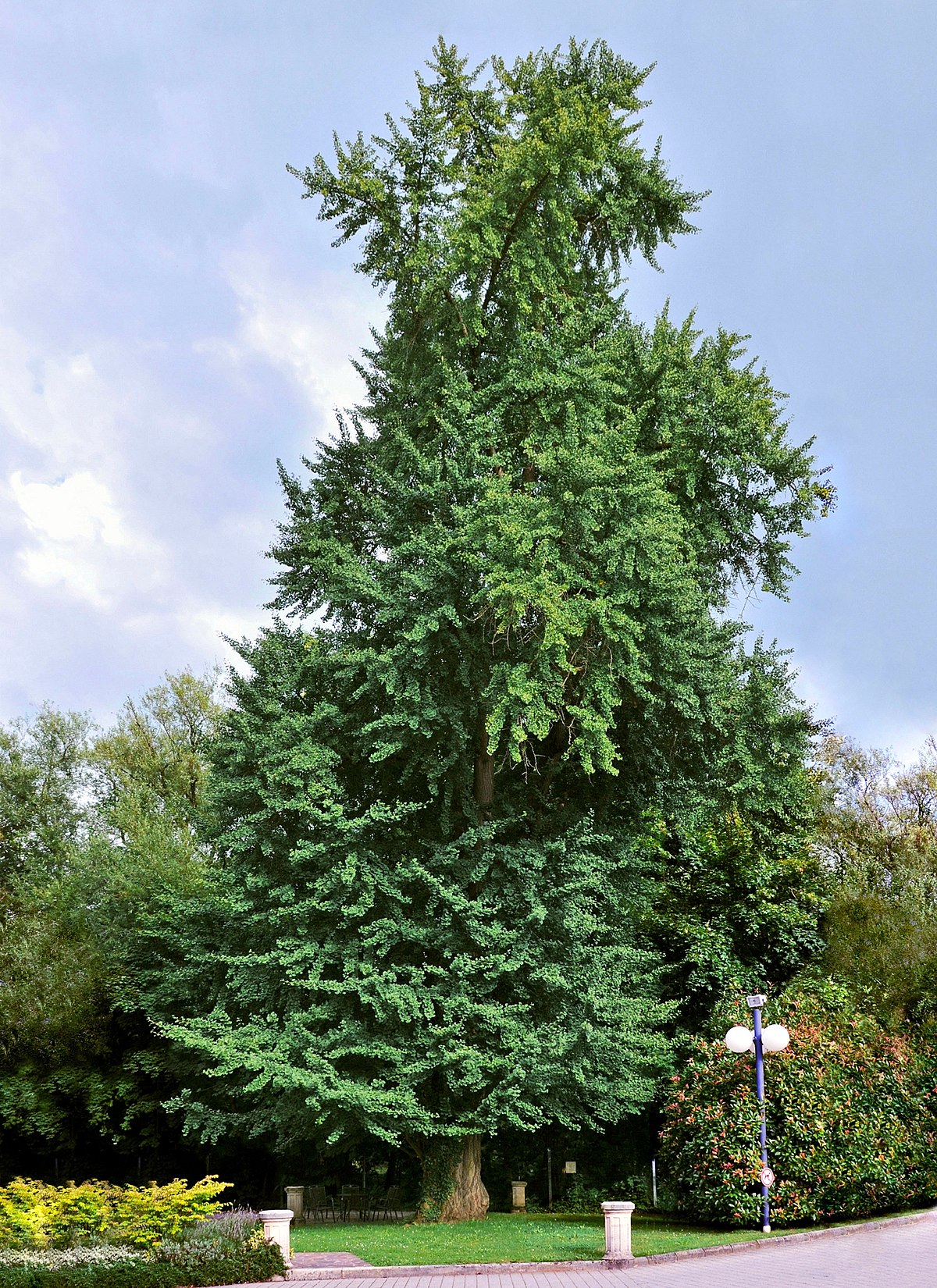 1 / 7
1 / 7—observations
—countries
—peak records
EndangeredConservation statusIUCN Red List categoriesLCNTVUENCREWEXEndangeredRed List categories, explained →
Diet & prey
- Photosynthetic; deep and spreading roots absorb water and mineral nutrients
Predators
- Leaf-feeding insects
- Browsing mammals
- Seed-eating rodents
ThreatsExtremely restricted wild populations, habitat loss, low recruitment, and genetic mixing with cultivated stock
HabitatsCultivated streets, parks, temple grounds, gardens, and remnant temperate forest habitat
Life spanExceptionally long-lived; individual trees can survive for many centuries
Size / weightNot available
Classification
- OrderGinkgoales
- FamilyGinkgoaceae
- GenusGinkgo
- SpeciesGinkgo biloba
Range data is not available yet.
Interaction riskHigh
- Low
- Moderate
- High
- Very high
- Why interaction risk is high
- Fleshy seed coats irritate skin, and misidentification is dangerous; do not eat or ingest wild-collected ginkgo material.
- Why it is dangerous
- Fleshy seed coats contain contact irritants, while raw or excessive seed kernels can cause serious neurologic poisoning.
- How to recognize a risky encounter
- Fan-shaped leaves with evenly forked veins distinguish ginkgo, but fallen reproductive material still requires caution.
- What to do
- Wear gloves around fleshy seed coats, prevent child and pet access, and never consume wild-collected material.
- What to notice
- Verify fan-shaped leaves with dichotomously branching veins and short spur shoots on older twigs.
- Support conservation
- Observe remnant wild trees without collecting leaves, seeds, bark, or cuttings, and keep exact locations private.
Responsible observation
- Leaves: Confirm fan shape and veins that repeatedly fork without forming a network.
- Handling: Avoid touching fallen fleshy seed coverings with bare skin.
- Protect: Never collect material from remnant wild populations.
Help improve the field guideSomething wrong?
Checking your Fauna account…Report a name, category, or profile issue for review.