
Plant · GBIF taxon 2687201
Mountain Hemlock
Tsuga mertensianaAlso known as Mertens' Hemlock, Black Hemlock
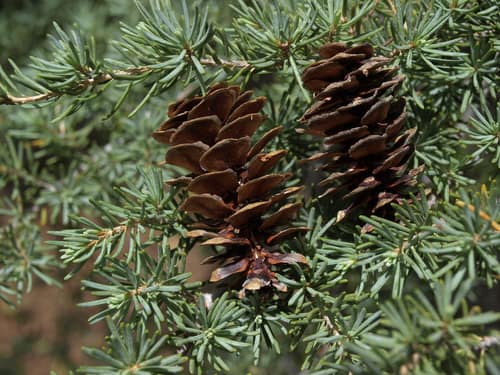
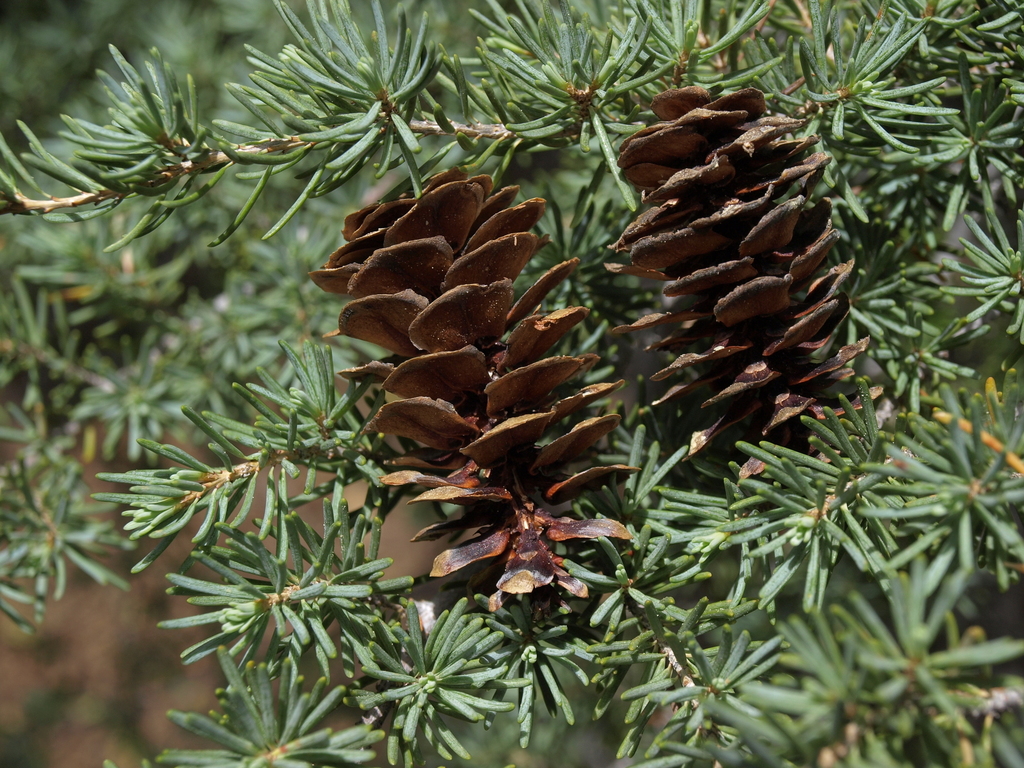
Mountain hemlocks anchor high-elevation forests across western North America, thriving in subalpine zones where snowpack lingers deep into summer. Their graceful drooping tops, blue-green needles radiating around flexible twigs, and downward-sloping branches are perfectly adapted to shed heavy mountain snowfall. At extreme treelines, these resilient conifers form dense, wind-sheared krummholz mats shaped by fierce alpine gales.
ConiferEvergreenAlpine
—observations
—countries
—peak records
Least ConcernConservation statusIUCN Red List categoriesLCNTVUENCREWEXLeast ConcernRed List categories, explained →
Diet & prey
- Autotrophic (Photosynthesis)
Predators
Not available
ThreatsClimate change, warming winter temperatures, and severe wildfires
HabitatsSubalpine forests and high-elevation mountain slopes
Life span400 to 800 years
Size / weightNot available
Classification
- OrderPinales
- FamilyPinaceae
- GenusTsuga
- SpeciesTsuga mertensiana
Range data is not available yet.
Interaction riskLow
- Low
- Moderate
- High
- Very high
- Why interaction risk is low
- Safe to observe at a normal distance.
Responsible observation
- Needle Check: Look for soft blue-green needles growing all around the twig rather than in two flat ranks.
- Branch Habit: Notice how the central leader droops downward and branches slope to shed heavy snow.
- Cone Identification: Observe slender cylindrical cones hanging from branch tips, larger than western hemlock cones.
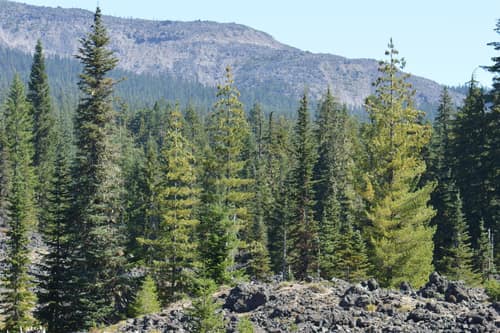
Frequent Companion (c) David Anderson, some rights reserved (CC BY), uploaded by David Anderson · cc-by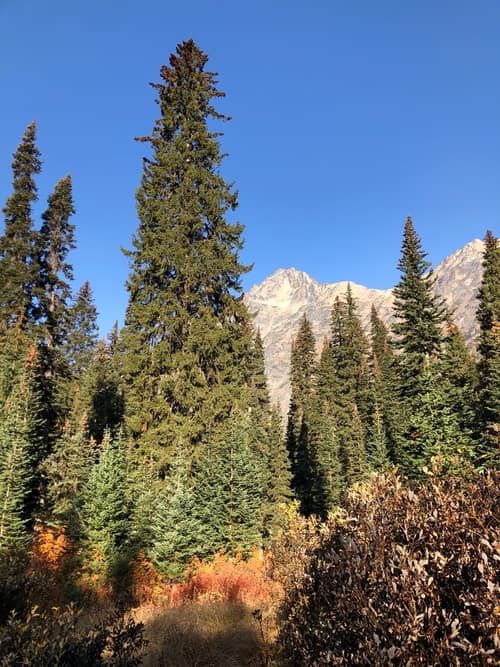
Frequent Companion (c) Sam Beaumont, some rights reserved (CC BY), uploaded by Sam Beaumont · cc-by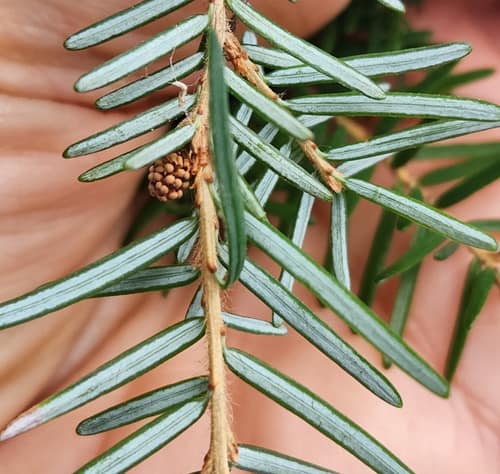
Close Relative (c) Lyrae, some rights reserved (CC BY), uploaded by Lyrae · cc-by
Help improve the field guideSomething wrong?
Checking your Fauna account…Report a name, category, or profile issue for review.