
Plant · GBIF taxon 2686276
Siberian Larch
Larix sibiricaAlso known as Russian Larch
Siberian larches dominate vast stretches of the Eurasian taiga, braving sub-zero winters that few other trees can endure. Unlike most conifers, these resilient trees drop soft, bright green needles every autumn after turning a vivid shade of gold. Their dense, resinous wood resists decay exceptionally well, allowing mature trees to survive fires and stand strong for several centuries.
Deciduous ConiferCold HardyForest Tree
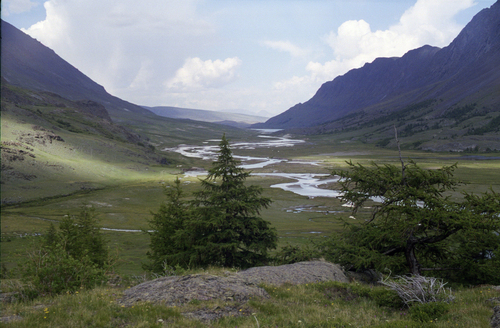
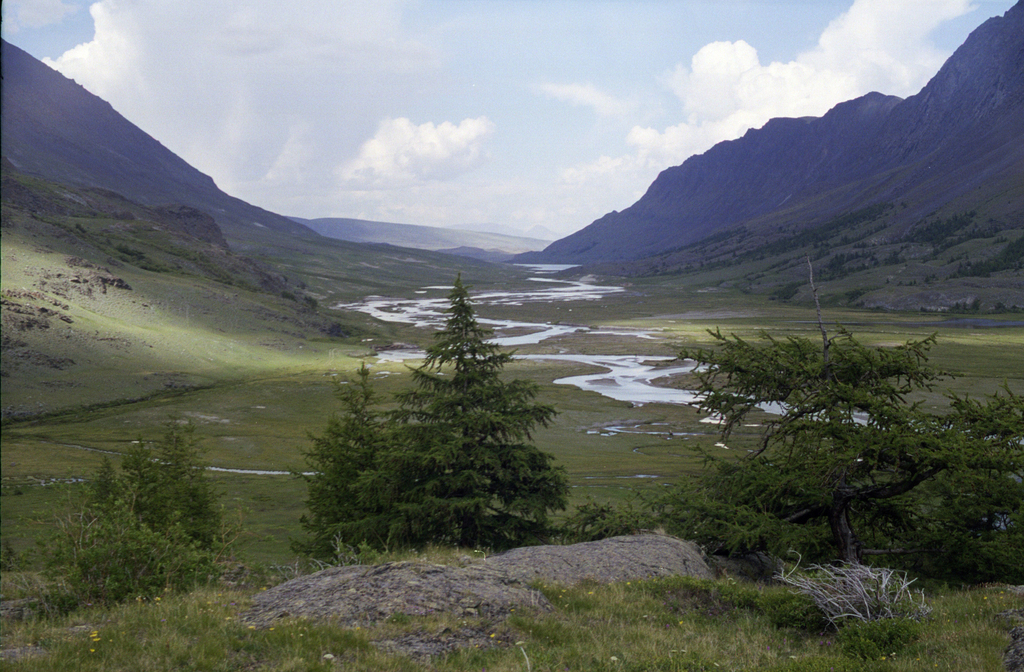
—observations
—countries
—peak records
Least ConcernConservation statusIUCN Red List categoriesLCNTVUENCREWEXLeast ConcernRed List categories, explained →
Diet & prey
- Autotrophic (Photosynthesis)
Predators
- Larch bark beetle
- Larch sawfly caterpillars
- Siberian silk moth caterpillars
ThreatsWildfires, climate change, logging
HabitatsBoreal forest (taiga), mountain slopes, floodplain terraces
Life span100–500 years
Size / weightNot available
Classification
- OrderPinales
- FamilyPinaceae
- GenusLarix
- SpeciesLarix sibirica
Range data is not available yet.
Interaction riskLow
- Low
- Moderate
- High
- Very high
- Why interaction risk is low
- Safe to observe at a normal distance.
Responsible observation
- Autumn Foliage: Observe stands in late October to catch their dramatic shift to brilliant yellow.
- Cone Inspection: Look for small, egg-shaped cones that often persist on bare twigs through winter.
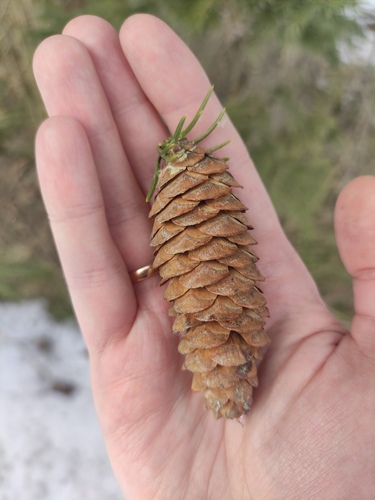
Frequent Companion (c) Sergey Basalaev, some rights reserved (CC BY) · cc-by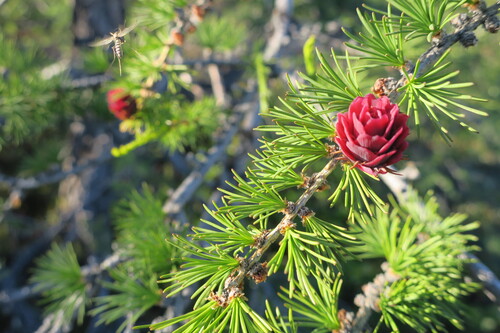
Close Relative (c) Artem Abdukakharov, some rights reserved (CC BY) · cc-by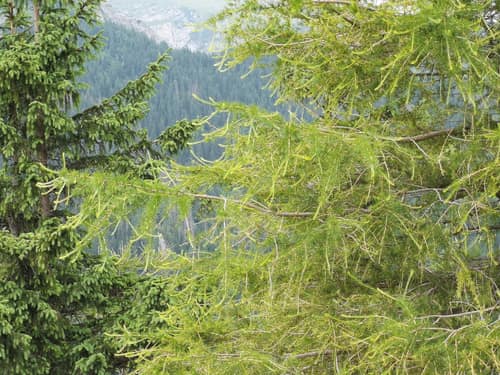
Close Relative (c) Jens-Christian Svenning, some rights reserved (CC BY), uploaded by Jens-Christian Svenning · cc-by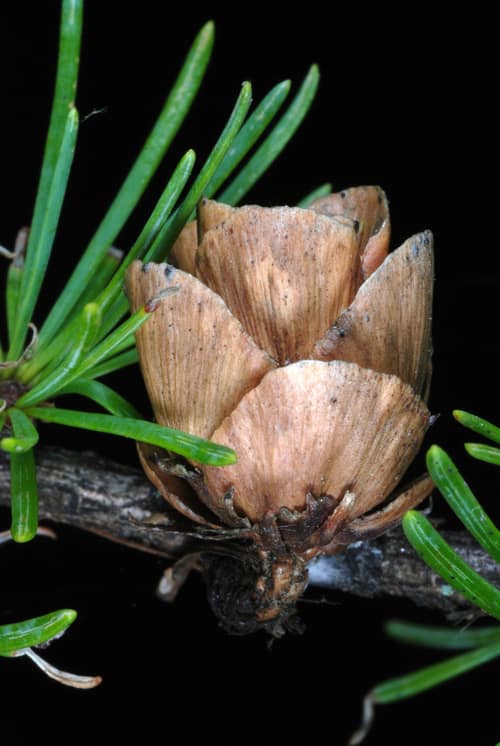
Close Relative (c) Douglas Goldman, some rights reserved (CC BY-SA), uploaded by Douglas Goldman · cc-by-sa
Help improve the field guideSomething wrong?
Checking your Fauna account…Report a name, category, or profile issue for review.