
Plant
Tamarack
Larix laricinaAlso known as Eastern Larch, Hackmatack, American Larch, Black Larch
Tamarack stands apart from most northern conifers by shedding its soft, needle-like leaves every autumn in a vivid burst of smoky gold. Thriving in cold, saturated peat bogs and muskegs, its shallow, wide-spreading root system allows it to anchor firmly where standing water chokes out most other tree species. Its durable, rot-resistant wood has long made it an essential timber for boat building, snowshoes, and fence posts across the subarctic.
Deciduous ConiferBorealCold-Hardy
—observations
—countries
—peak records
Least ConcernConservation statusIUCN Red List categoriesLCNTVUENCREWEXLeast ConcernRed List categories, explained →
Diet & preyAutotrophic (photosynthesis)
Predators
- Larch Sawfly
- North American Porcupine
- Eastern Larch Beetle
ThreatsLarch sawfly outbreaks, warming climates, and wetland drainage
HabitatsBoreal bogs, muskegs, fens, and poorly drained wetlands
Life span100–180 years
Classification
- OrderPinales
- FamilyPinaceae
- GenusLarix
- SpeciesLarix laricina
Range data is not available yet.
Interaction riskLow
- Low
- Moderate
- High
- Very high
- Why interaction risk is low
- Safe to observe at a normal distance.
Responsible observation
- Autumn Viewing: Plan visits in mid-to-late autumn to view the needles transition to glowing golden yellow.
- Wetland Etiquette: Stick to designated boardwalks when viewing trees growing in fragile peat bogs.
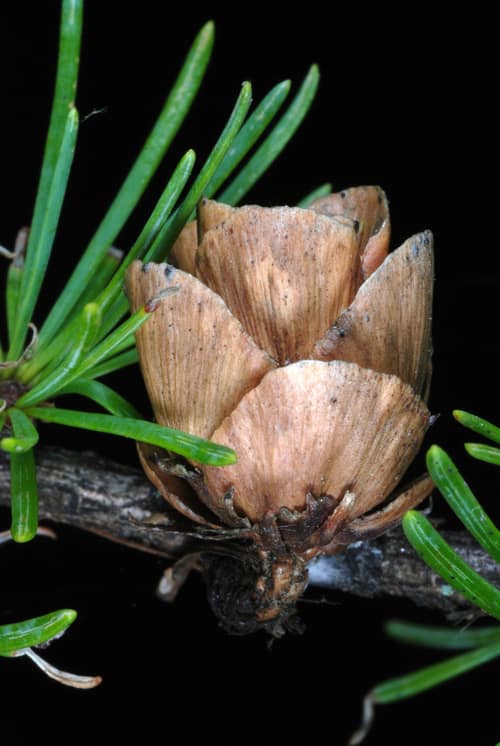
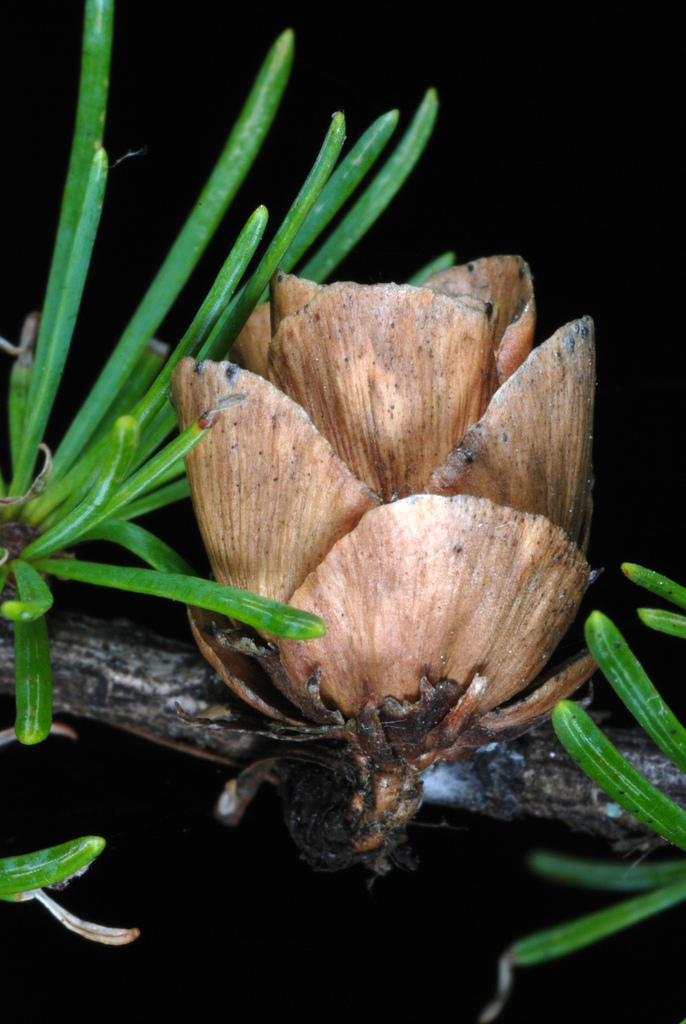
- Cone Inspection: Look for small, upright seed cones perched tightly on short branch spur shoots.
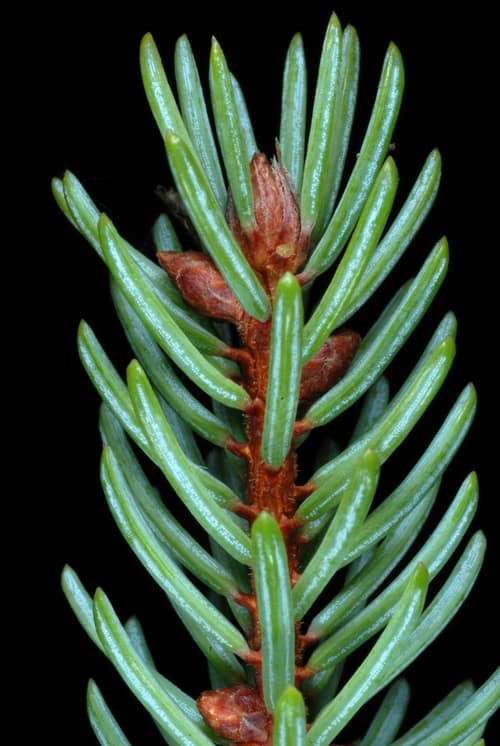
Frequent Companion (c) Douglas Goldman, some rights reserved (CC BY-SA), uploaded by Douglas Goldman · cc-by-sa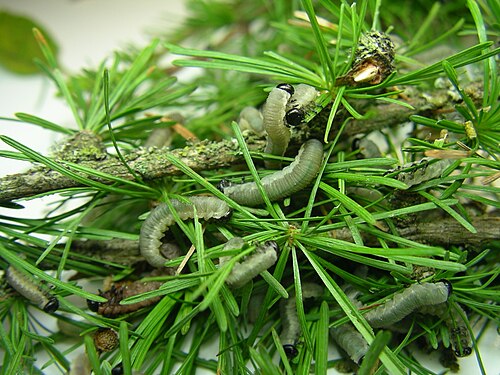
Parasite Inzilbeth / CC BY-SA 4.0 · cc-by-sa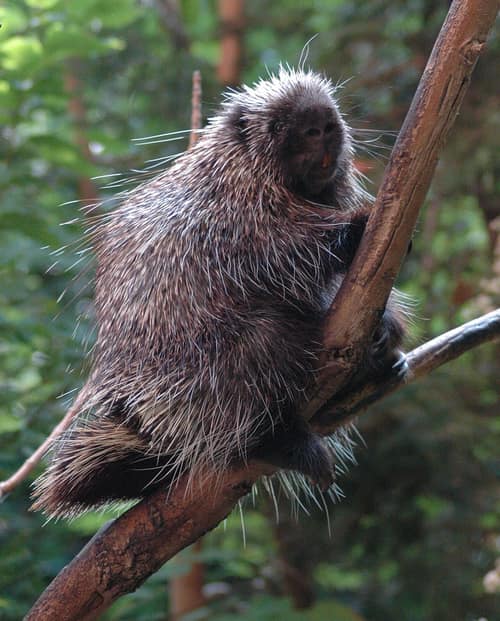
Herbivore J. Glover / CC BY-SA 2.5 · cc-by-sa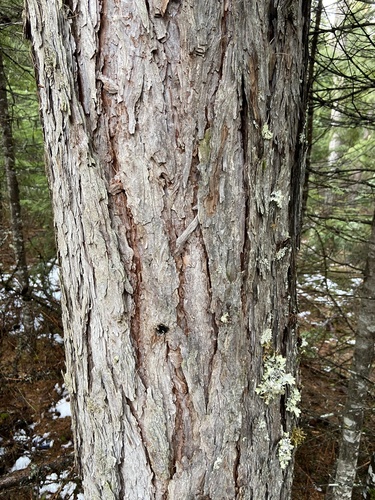
Close Relative (c) Grant Chovil, some rights reserved (CC BY), uploaded by Grant Chovil · cc-by
Help improve the field guideSomething wrong?
Checking your Fauna account…Report a name, category, or profile issue for review.