
Plant
Japanese Larch
Larix kaempferiAlso known as Karamatsu
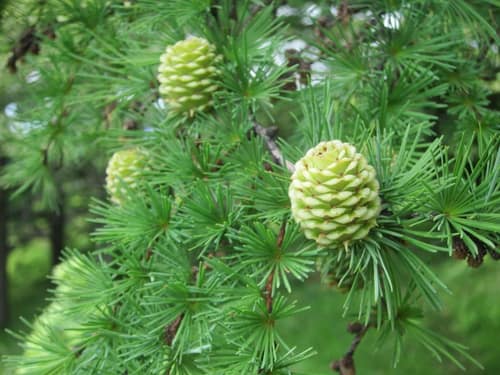
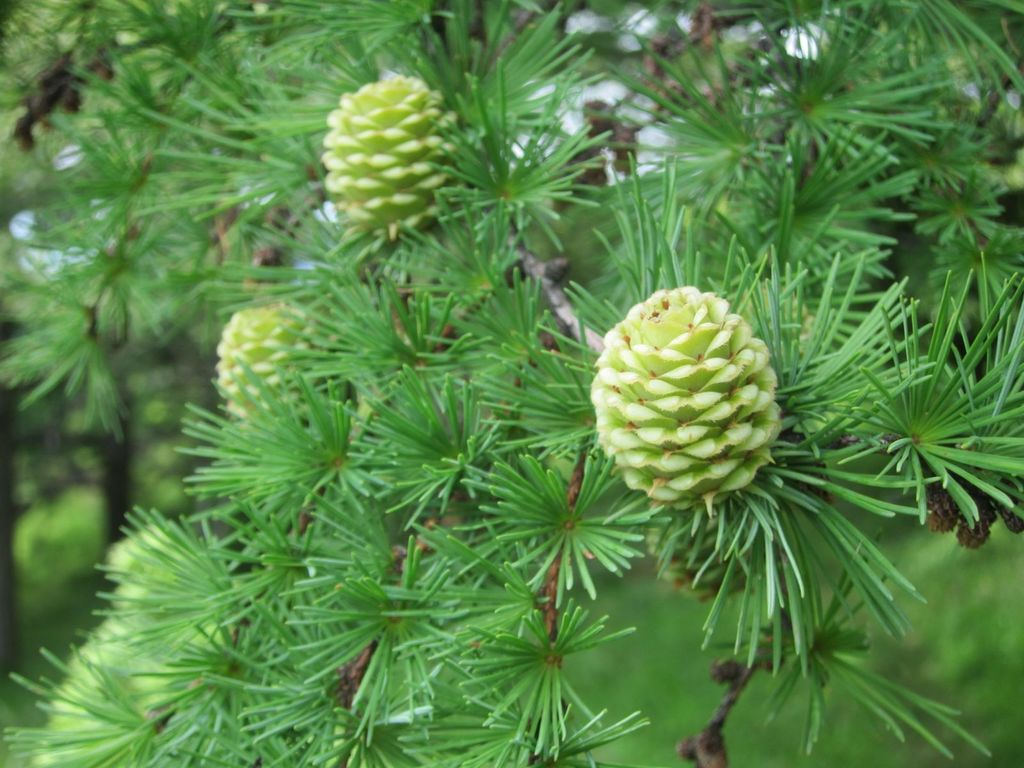
Japanese larch stands out among conifers as a deciduous tree, shedding its soft needles each winter after a spectacular display of autumn gold. Native to the volcanic soils of central Honshu's mountain slopes, it features characteristic rosette-like cones with outward-curving scales and reddish-brown bark. Widely planted across Europe for timber, it plays a vital ecological role providing canopy structure and habitat in cool mountain forests.
DeciduousConiferMountain Native
—observations
—countries
—peak records
Least ConcernConservation statusIUCN Red List categoriesLCNTVUENCREWEXLeast ConcernRed List categories, explained →
Diet & preyPhotosynthetic (Autotroph)
Predators
- Larch sawfly
- Sika deer
- Bark beetles
ThreatsPhytophthora ramorum, needle cast, extreme weather
HabitatsSubalpine forests, mountain slopes, plantations
Life span150–300 years
Classification
- OrderPinales
- FamilyPinaceae
- GenusLarix
- SpeciesLarix kaempferi
Range data is not available yet.
Interaction riskLow
- Low
- Moderate
- High
- Very high
- Why interaction risk is low
- Safe to observe at a normal distance.
Responsible observation
- Autumn Foliage: Visit high mountain slopes in late autumn to observe the needles turning bright golden yellow.
- Cone Identification: Look for small, rosette-shaped cones with distinctive outward-curving scale tips.
 Image unavailable
Hybrid Descendant 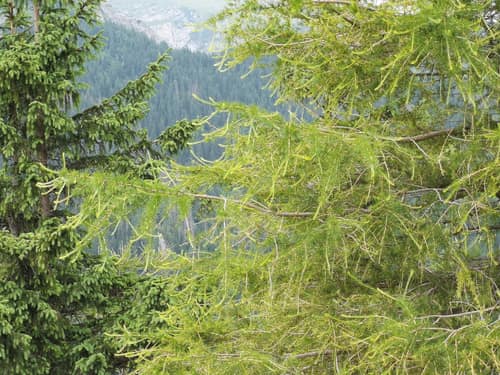
Close Relative (c) Jens-Christian Svenning, some rights reserved (CC BY), uploaded by Jens-Christian Svenning · cc-by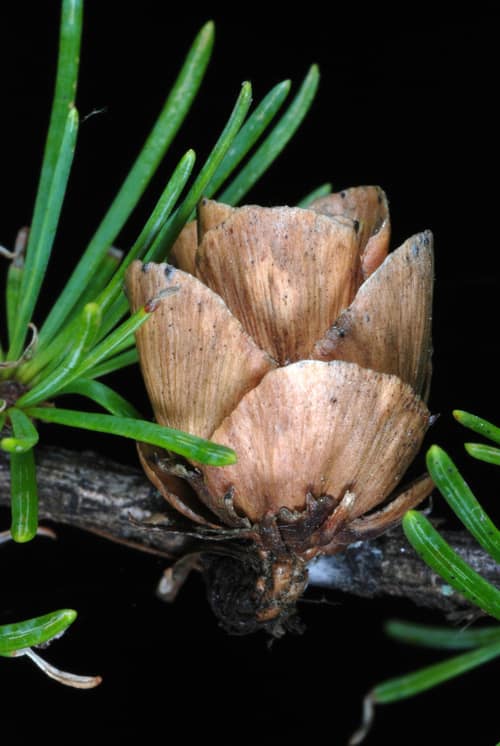
Close Relative (c) Douglas Goldman, some rights reserved (CC BY-SA), uploaded by Douglas Goldman · cc-by-sa
Help improve the field guideSomething wrong?
Checking your Fauna account…Report a name, category, or profile issue for review.