
Plant
Subalpine Fir
Abies lasiocarpaAlso known as Rocky Mountain Fir, Balsam, White Fir, Alpine Fir
Subalpine fir dominates high-altitude timberlines across western North America, often forming stunted, windswept forms called krummholz near the tree line. Its narrow, spire-like crown sheds heavy winter snowpacks efficiently while upright, deep purple cones ripen in the upper branches. Resin blisters dotting the smooth grey bark emit a sharp, aromatic fragrance when punctured.
ConiferEvergreenAlpine
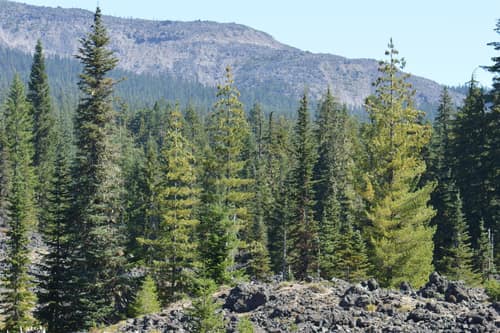
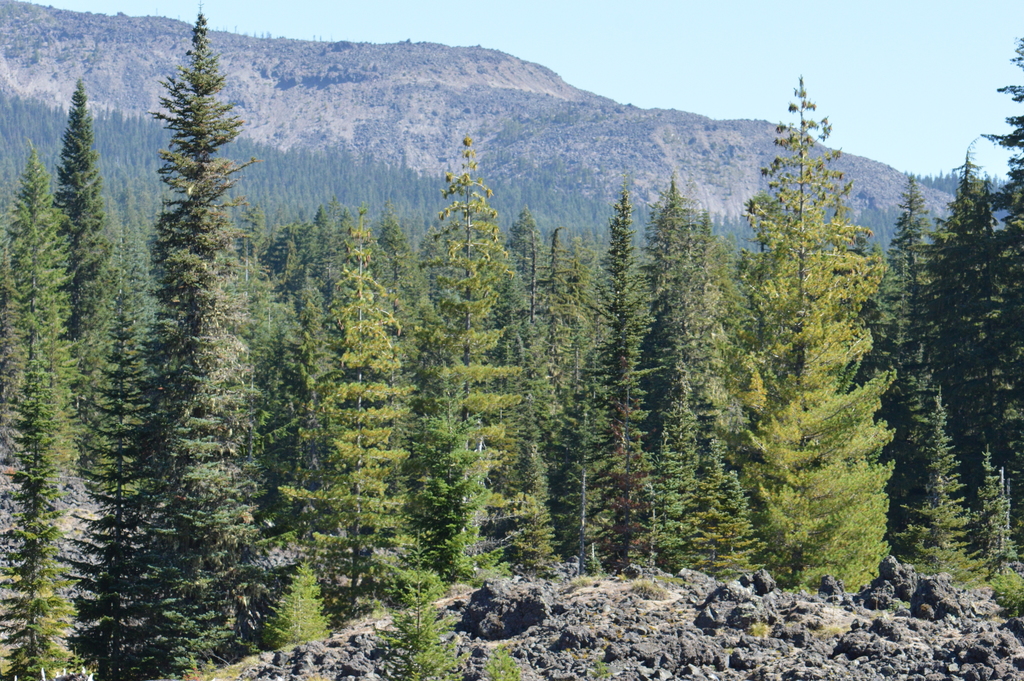
—observations
—countries
—peak records
Least ConcernConservation statusIUCN Red List categoriesLCNTVUENCREWEXLeast ConcernRed List categories, explained →
Diet & preySunlight, Water, Soil Nutrients
Predators
- Balsam Woolly Adelgid
- Spruce Budworm
- Western Balsam Bark Beetle
ThreatsSpruce budworm, balsam woolly adelgid, severe wildfire, climate change
HabitatsSubalpine forests, alpine timberlines, mountain slopes
Life span200–300 years
Classification
- OrderPinales
- FamilyPinaceae
- GenusAbies
- SpeciesAbies lasiocarpa
Range data is not available yet.
Interaction riskLow
- Low
- Moderate
- High
- Very high
- Why interaction risk is low
- Safe to observe at a normal distance.
Responsible observation
- Cone Spotting: Look high in the upper crown during late summer to see upright purple cones before they disintegrate.
- Bark Resin: Avoid leaning against trunks, as sticky resin blisters easily pop and stain clothes.
- Krummholz Habit: Look for sprawling, bush-like mats at extreme windswept timberlines where trees cannot grow tall.
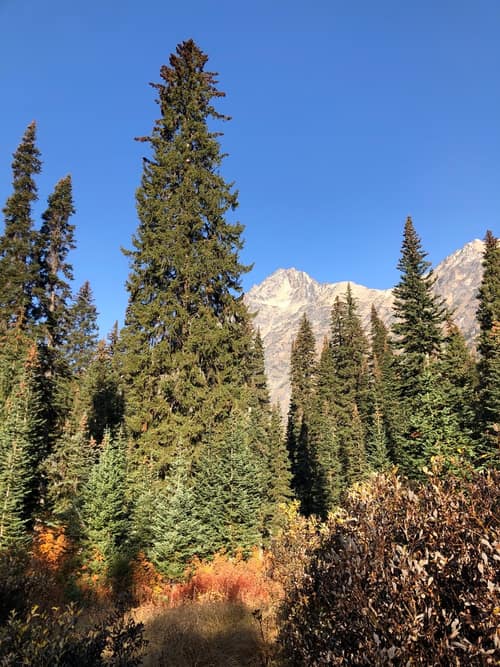
Frequent Companion (c) Sam Beaumont, some rights reserved (CC BY), uploaded by Sam Beaumont · cc-by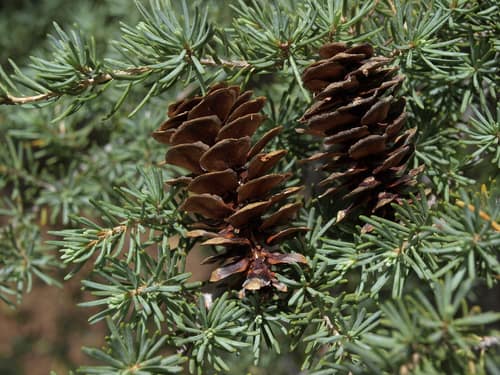
Frequent Companion (c) Jim Morefield, some rights reserved (CC BY-SA) · cc-by-sa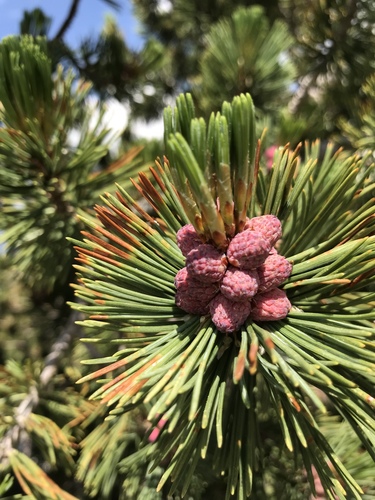
Frequent Companion (c) Nelson Balcar, some rights reserved (CC BY), uploaded by Nelson Balcar · cc-by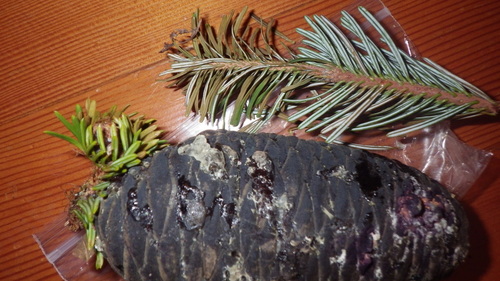
Close Relative no rights reserved, uploaded by Todd Folsom · cc0
Help improve the field guideSomething wrong?
Checking your Fauna account…Report a name, category, or profile issue for review.