
Plant · GBIF taxon 2684969
Norfolk Island Pine
Araucaria heterophyllaAlso known as Star Pine, Polynesian Pine, Triangle Tree, Living Christmas Tree
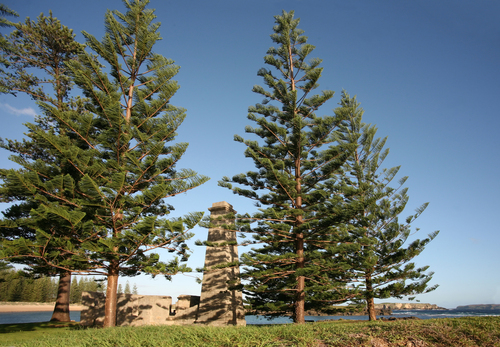
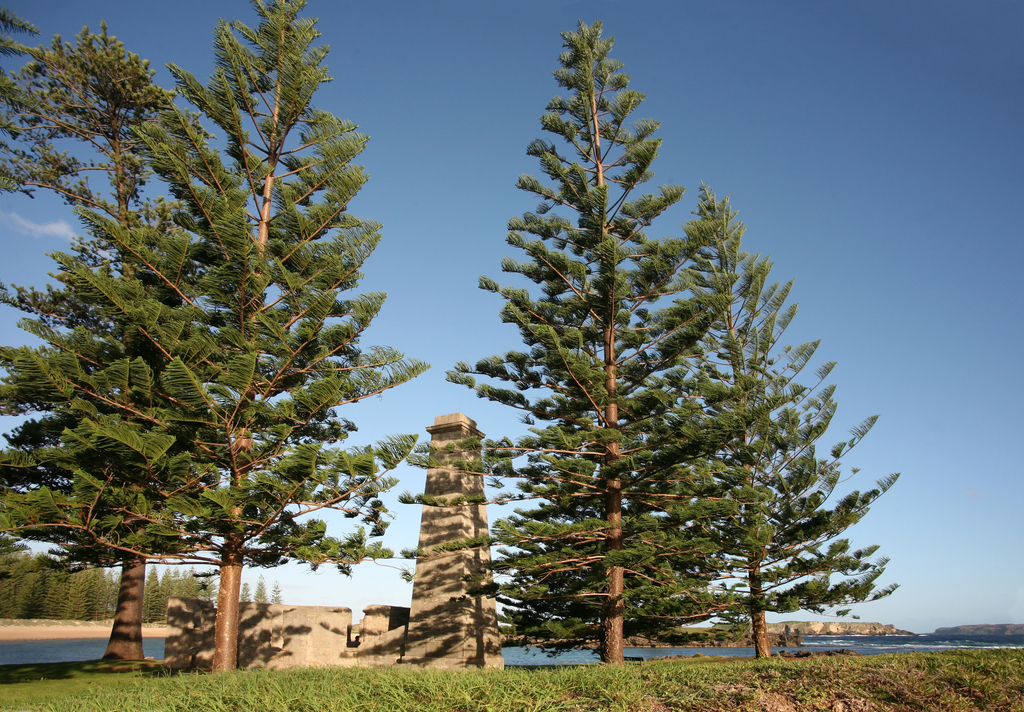
Norfolk Island pines dominate coastal horizons with their remarkably symmetrical, geometric branching structure that catches strong ocean winds without snapping. Native to a tiny Pacific island, these ancient conifers bear broad juvenile needles that transition into dense, scale-like adult foliage as the tree matures. Massive female cones mature high in the upper canopy over eighteen months before shattering to release wind-borne seeds.
EvergreenCoastalConifer
—observations
—countries
—peak records
VulnerableConservation statusIUCN Red List categoriesLCNTVUENCREWEXVulnerableRed List categories, explained →
Diet & prey
- Photosynthetic
ThreatsRestricted native range, habitat loss, climate change
HabitatsSubtropical coastal forests, coastal cliffs, urban parks
Life span150–400 years
Classification
- OrderPinales
- FamilyAraucariaceae
- GenusAraucaria
- SpeciesAraucaria heterophylla
Range data is not available yet.
Interaction riskLow
- Low
- Moderate
- High
- Very high
- Why interaction risk is low
- Safe to observe at a normal distance.
- What to notice
- Recognizable by its perfect vertical spire and strictly symmetrical whorls of horizontal branches.
- Support conservation
- Observe wild populations from marked trails and refrain from taking cones or foliage from native stands.
Responsible observation
- Canopy Spotting: Look high into mature treetops to spot large, heavy female cones late in the season.
- Stem Symmetry: Examine the precise circular arrangement of branches along the main vertical trunk.
- Foliage Comparison: Compare soft juvenile foliage on lower branches with tough adult needles near the top.
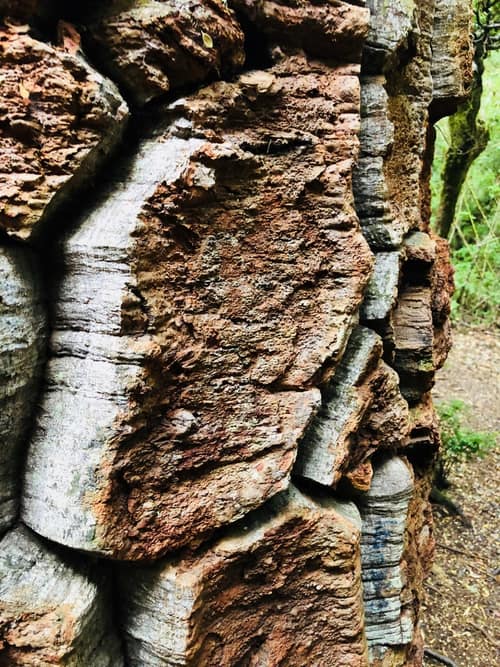
Close Relative (c) Francisco E. Fonturbel, some rights reserved (CC BY), uploaded by Francisco E. Fonturbel · cc-by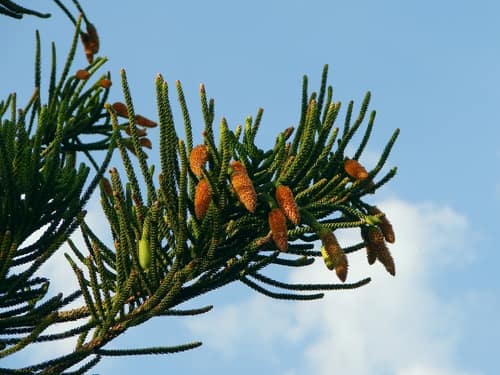
Close Relative (c) Tatters ✾, some rights reserved (CC BY) · cc-by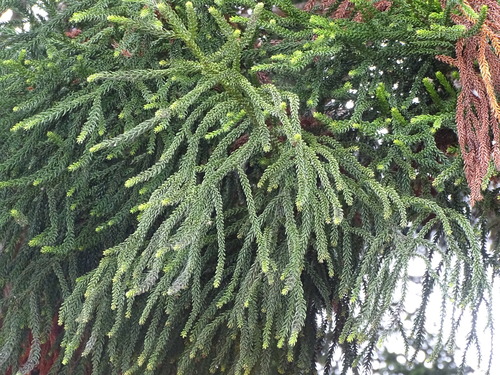
Close Relative (c) Shaun Swanepoel, some rights reserved (CC BY), uploaded by Shaun Swanepoel · cc-by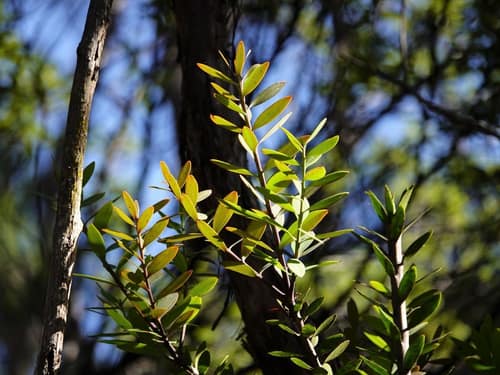
Family Relative (c) Jacqui Geux, some rights reserved (CC BY), uploaded by Jacqui Geux · cc-by
Help improve the field guideSomething wrong?
Checking your Fauna account…Report a name, category, or profile issue for review.