
Plant · GBIF taxon 2684940
Brazilian Pine
Araucaria angustifoliaAlso known as Paraná Pine, Candelabra Tree, Araucaria, Pino de Misiones
Crowns of adult Brazilian pines flatten into a striking candelabra shape high above the canopy in subtropical South American highlands. Sharp, lance-shaped needles blanket the thick whorled branches, surrounding massive seed cones that take two years to mature. Native wildlife relies heavily on these energy-rich seeds, which historically provided an important food source for Indigenous populations throughout the region.
EvergreenConifer
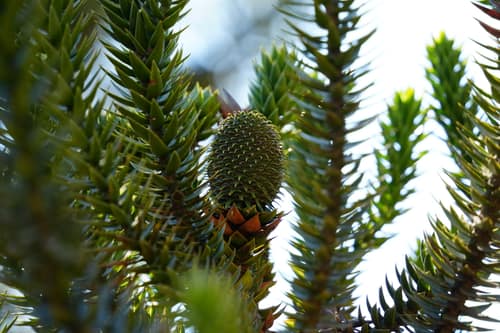
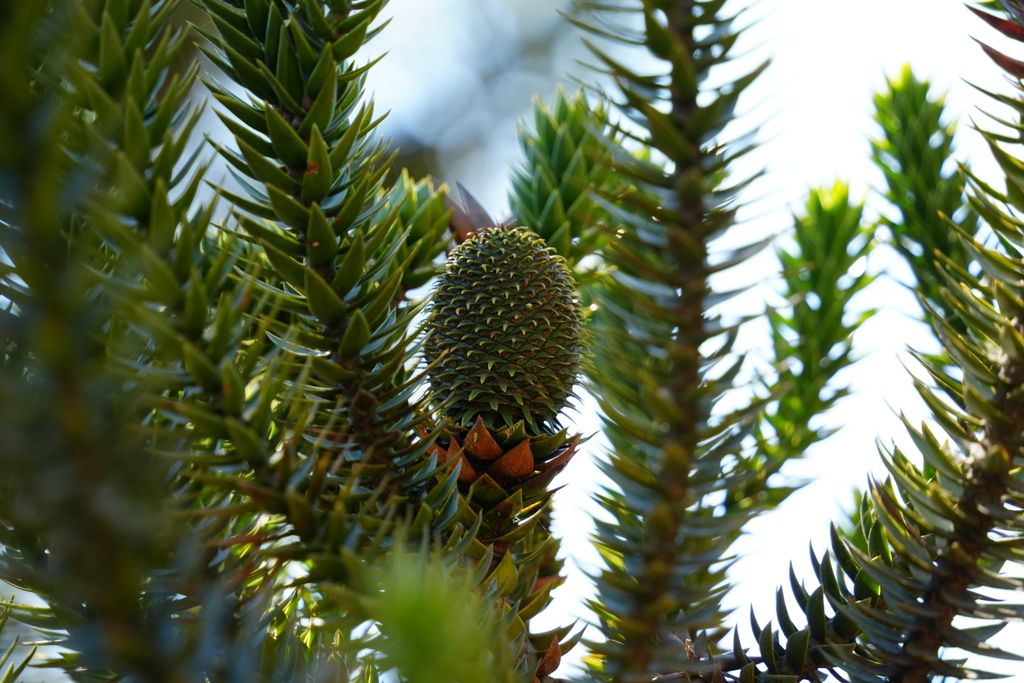
—observations
—countries
—peak records
Critically EndangeredConservation statusIUCN Red List categoriesLCNTVUENCREWEXCritically EndangeredRed List categories, explained →
Diet & prey
- Autotrophic (Photosynthesis)
Predators
- Azure Jay
- Vinaceous-Breasted Amazon
- Agouti
ThreatsDeforestation, illegal logging, land conversion, climate change
HabitatsSubtropical moist forests, high-altitude plateaus
Life span300–500 years
Size / weightNot available
Classification
- FamilyAraucariaceae
- SpeciesAraucaria angustifolia
Range data is not available yet.
Interaction riskLow
- Low
- Moderate
- High
- Very high
- Why interaction risk is low
- Safe to observe at a normal distance.
- What to notice
- Recognizable by its unique umbrella-like canopy and thick whorls of rigid, triangular leaves on high branches.
- Support conservation
- Observe trees without climbing or damaging bark, and leave fallen seed cones undisturbed.
Responsible observation
- Observation: Look for the flat-topped candelabra silhouette emergent above the surrounding canopy.
- Conservation: Refrain from collecting wild seed cones in protected areas to support forest recovery.
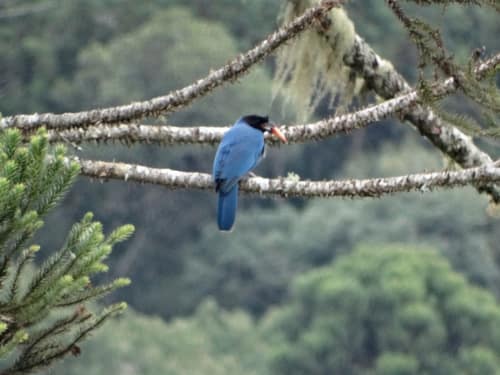
Seed Disperser (c) Piter Kehoma Boll, some rights reserved (CC BY-SA) · cc-by-sa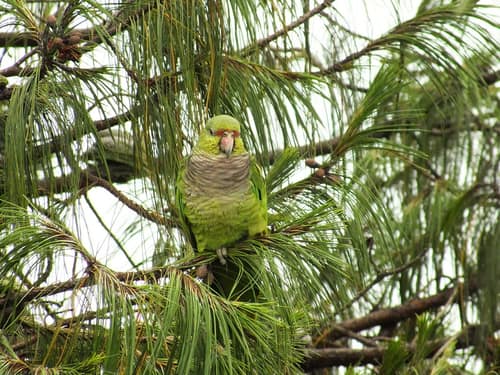
Seed Feeder (c) Alex S. Rosa, some rights reserved (CC BY-SA), uploaded by Alex S. Rosa · cc-by-sa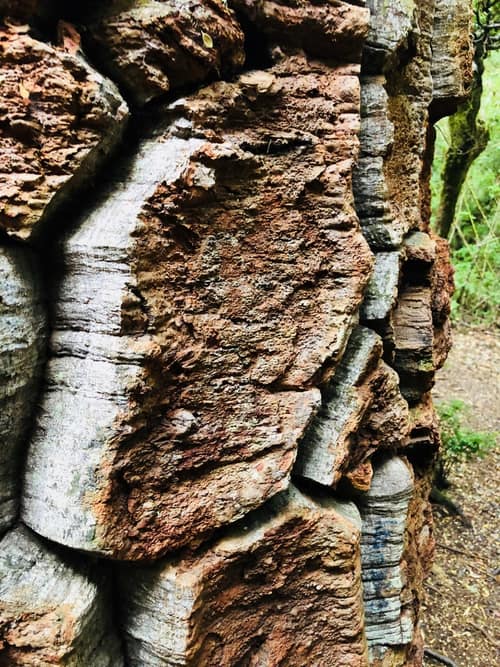
Close Relative (c) Francisco E. Fonturbel, some rights reserved (CC BY), uploaded by Francisco E. Fonturbel · cc-by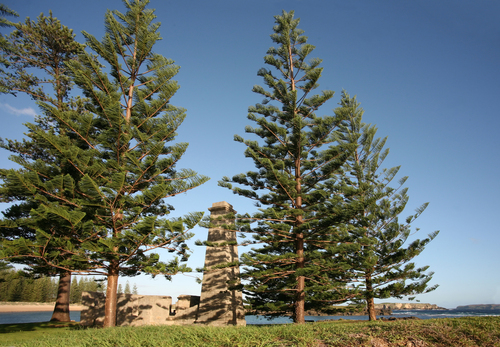
Close Relative (c) bertknot, some rights reserved (CC BY-SA) · cc-by-sa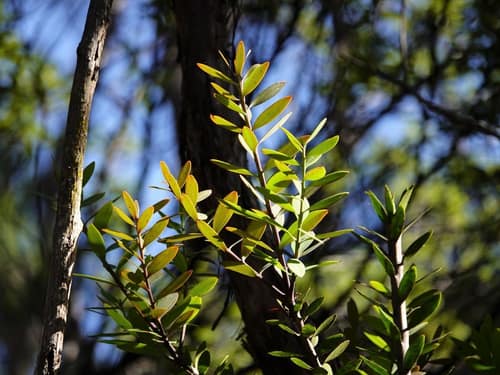
Family Member (c) Jacqui Geux, some rights reserved (CC BY), uploaded by Jacqui Geux · cc-by
Help improve the field guideSomething wrong?
Checking your Fauna account…Report a name, category, or profile issue for review.