
Plant · GBIF taxon 2684640
Phoenicean Juniper
Juniperus phoeniceaAlso known as Phoenician Juniper, Arâr, Red-Berry Juniper
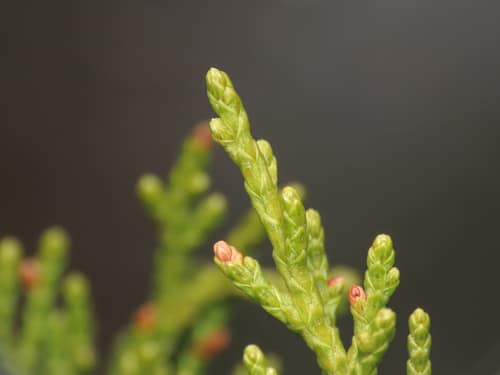
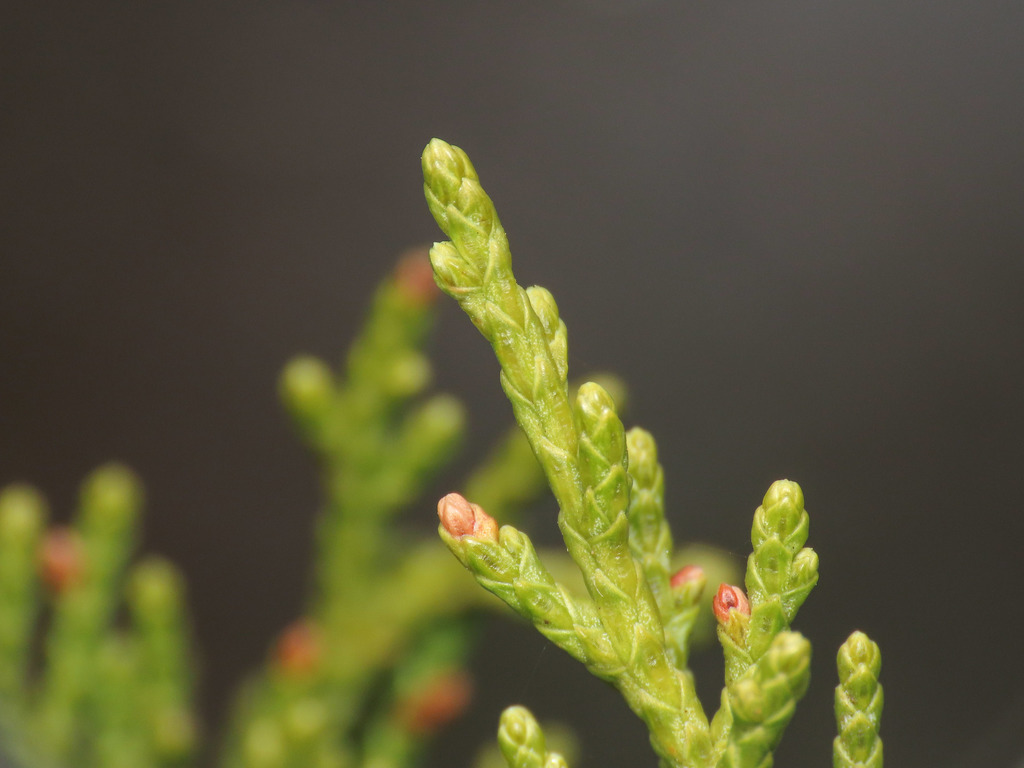
Phoenicean junipers are long-lived evergreen shrubs or small trees adapted to the dry, rocky soils of coastal cliffs and Mediterranean scrublands. Their dense scale-like foliage ranges from deep green to glaucous grey, accompanied by berry-like seed cones that ripen to a warm reddish-brown over two years. Deep taproots anchor these resilient conifers against coastal gales while protecting arid hillslopes from severe erosion.
EvergreenDrought-TolerantConifer
—observations
—countries
—peak records
Least ConcernConservation statusIUCN Red List categoriesLCNTVUENCREWEXLeast ConcernRed List categories, explained →
Diet & prey
- Sunlight
- Water
- Soil minerals
Predators
- Wild goats
- Scale insects
- Wood-boring beetles
ThreatsCoastal urban development, frequent wildfires, overgrazing
HabitatsMediterranean scrub, coastal cliffs, rocky hillsides, sand dunes
Life spanUp to 1,000+ years
Size / weightNot available
Classification
- FamilyCupressaceae
- SpeciesJuniperus phoenicea
Range data is not available yet.
Interaction riskHigh
- Low
- Moderate
- High
- Very high
- Why interaction risk is high
- Wild cones and berries have toxic look-alikes; never ingest wild plant parts based on app identification alone.
- Why it is dangerous
- Contains volatile essential oils including sabinene and thujone, which cause gastrointestinal and kidney distress if consumed.
- How to recognize a risky encounter
- Recognized by dense scale-like evergreen leaves and fleshy reddish-brown female seed cones.
- What to do
- Observe foliage and cones on the branch without harvesting, and prevent pets from chewing wood or berries.
Responsible observation
- Observe foliage: Examine the tiny, scale-like leaves closely paired along rigid, upright twigs.
- Check the cones: Look for hard, berry-like female cones that shift from yellow-green to glossy reddish-brown.
- Respect fragile soils: Stick to established trails on coastal cliffs to prevent soil erosion around deep root systems.
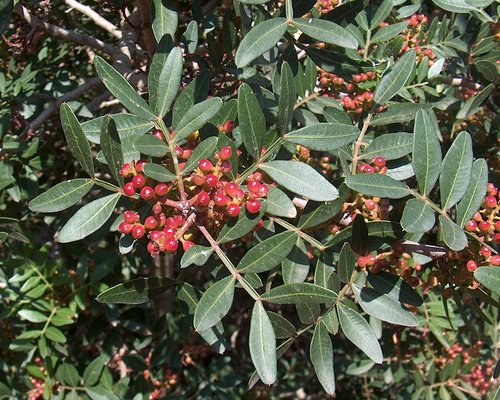
Habitat Companion (c) anonymous, some rights reserved (CC BY-SA) · cc-by-sa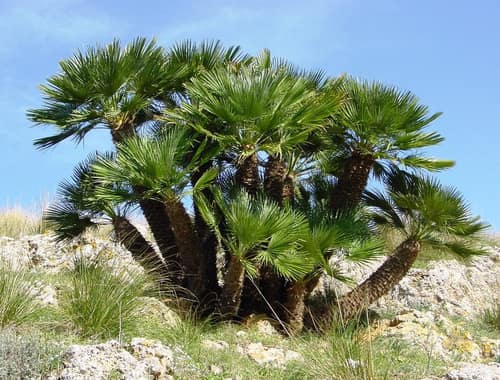
Habitat Companion (c) tato grasso, some rights reserved (CC BY-SA) · cc-by-sa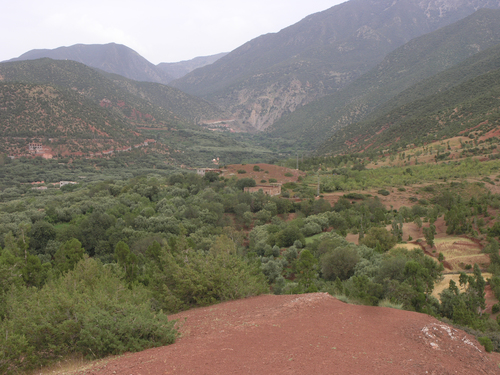
Close Relative (c) Oleg Kosterin, some rights reserved (CC BY) · cc-by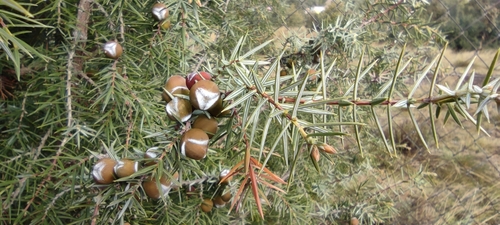
Close Relative (c) Santiago Martín-Bravo, some rights reserved (CC BY) · cc-by
Help improve the field guideSomething wrong?
Checking your Fauna account…Report a name, category, or profile issue for review.