
Plant
Grecian Juniper
Juniperus excelsaAlso known as Greek Juniper, Crimean Juniper
Grecian junipers form majestic, long-lived trees that anchor dry, sun-baked mountain slopes across the eastern Mediterranean. Their dense, scale-like foliage and blue-black seed cones support local bird species while their extensive root systems prevent soil erosion in arid landscapes. Older specimens develop gnarled, twisting trunks and can survive for over a millennium in harsh rocky terrains.
EvergreenConiferDrought Tolerant
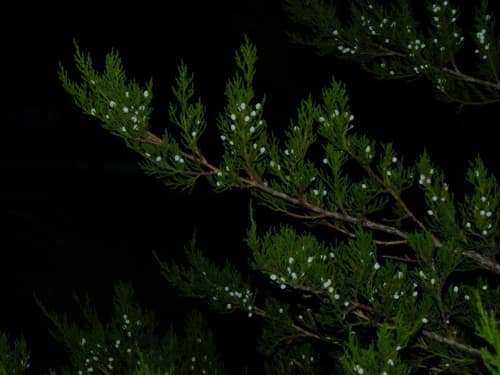
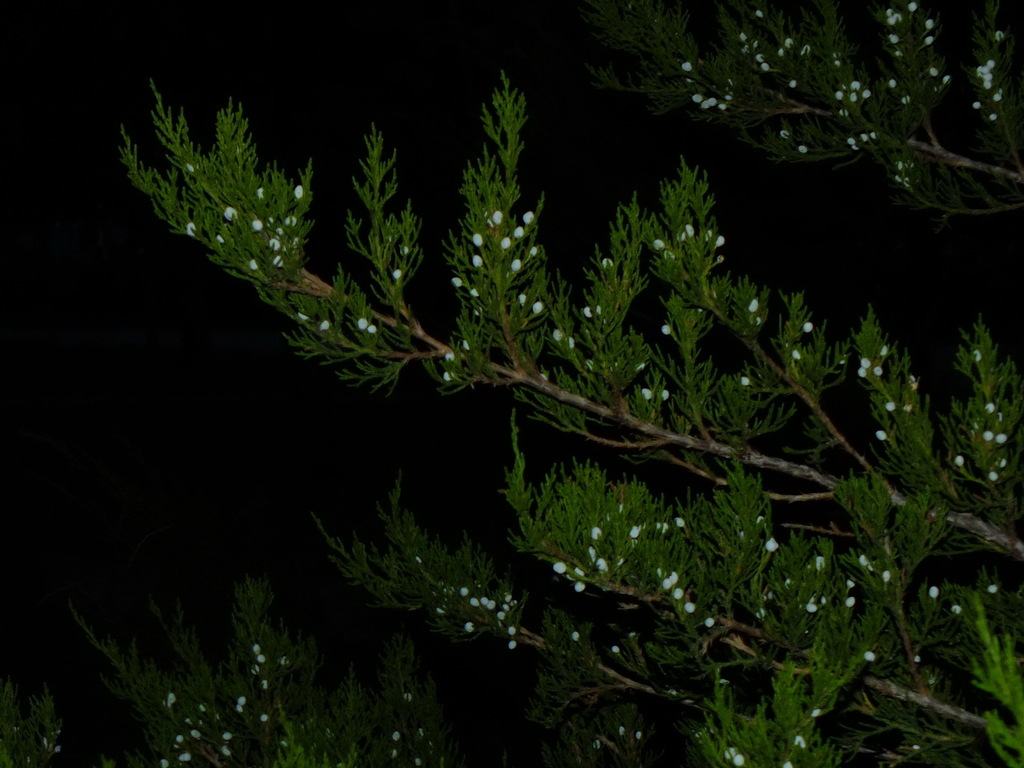
—observations
—countries
—peak records
Least ConcernConservation statusIUCN Red List categoriesLCNTVUENCREWEXLeast ConcernRed List categories, explained →
Diet & preyPhotosynthetic
ThreatsOvergrazing, wildfire, habitat fragmentation
HabitatsMontane scrub, dry Mediterranean woodlands, rocky mountain slopes
Life spanUp to 1,000+ years
Classification
- FamilyCupressaceae
- SpeciesJuniperus excelsa
Range data is not available yet.
Interaction riskLow
- Low
- Moderate
- High
- Very high
- Why interaction risk is low
- Wild berries have toxic look-alikes; never eat based on app identification alone.
Responsible observation
- Observation: Look for blue-black berry-like cones on mature female trees during autumn.
- Habitat Ethics: Stick to established trails when visiting fragile montane juniper woodlands.
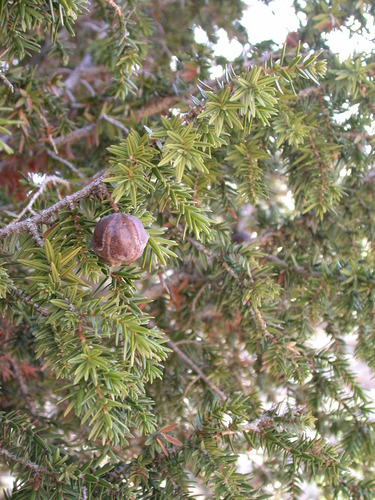
Close Relative (c) Gidip, einige Rechte vorbehalten (CC BY) · cc-by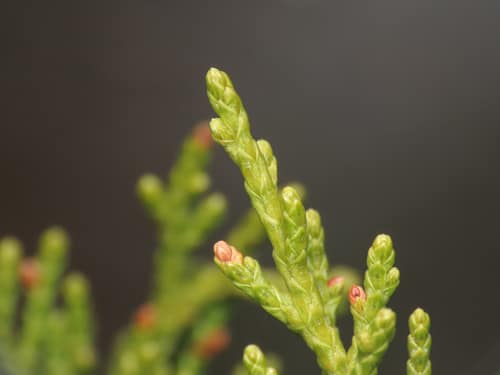
Close Relative (c) Emanuele Santarelli, some rights reserved (CC BY-SA), uploaded by Emanuele Santarelli · cc-by-sa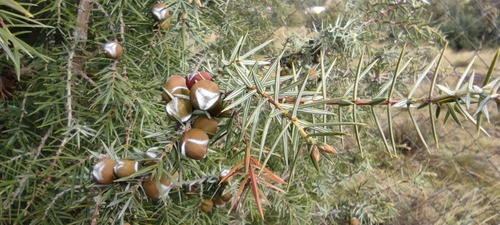
Close Relative (c) Santiago Martín-Bravo, some rights reserved (CC BY) · cc-by
Help improve the field guideSomething wrong?
Checking your Fauna account…Report a name, category, or profile issue for review.