
Plant · GBIF taxon 2684528
Thuriferous Juniper
Juniperus thuriferaAlso known as Spanish Juniper, Incense Juniper
Thuriferous junipers dominate harsh continental mountain plateaus, enduring extreme summer droughts and freezing winters across Spain, France, and North Africa. These long-lived conifers produce highly resinous wood that was historically burned as aromatic incense during religious ceremonies and pest control. Female trees bear dark, berry-like seed cones that provide vital winter food for mountain birds, which in turn disperse the seeds across arid slopes.
EvergreenFragrantHighland Native
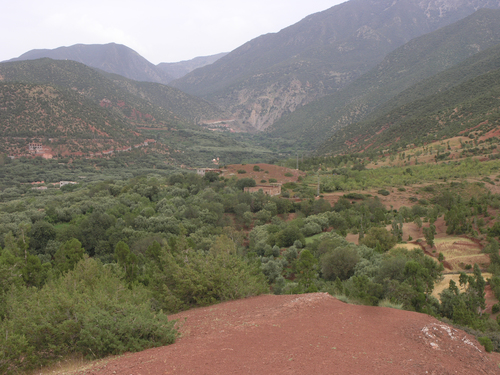
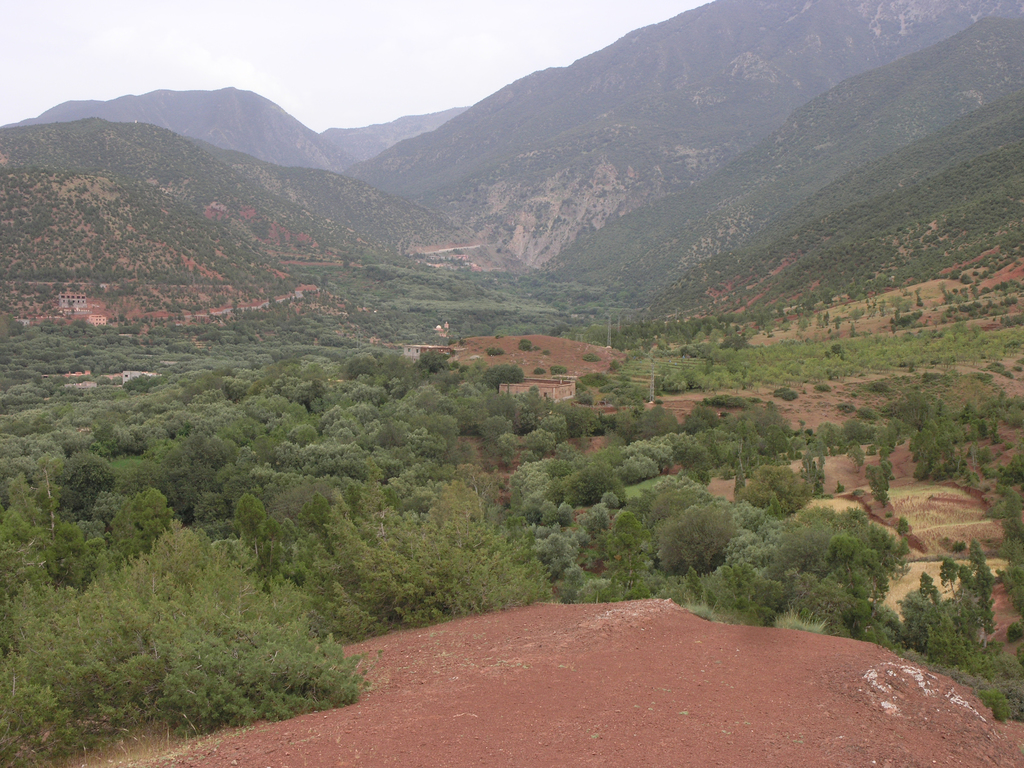
—observations
—countries
—peak records
Least ConcernConservation statusIUCN Red List categoriesLCNTVUENCREWEXLeast ConcernRed List categories, explained →
Diet & prey
- Photosynthesis
Predators
Not available
ThreatsOvergrazing, wildfire, land conversion, climate drought
HabitatsArid mountain plateaus, rocky limestone slopes, sub-mediterranean woodlands
Life span500–1,000+ years
Size / weightNot available
Classification
- FamilyCupressaceae
- SpeciesJuniperus thurifera
Range data is not available yet.
Interaction riskLow
- Low
- Moderate
- High
- Very high
- Why interaction risk is low
- Wild berries and juniper cones have toxic look-alikes; never ingest wild plant parts based on app identification alone.
- What to notice
- Look for gnarled, thick trunks with fibrous reddish bark and dense blue-green foliage on arid limestone ranges.
- Support conservation
- Stay on established paths to avoid trampling slow-growing young seedlings and disturbing fragile alpine soils.
Responsible observation
- Aromatic foliage: Gently squeeze a small spray of leaves to release its characteristic resinous scent.
- Identifying cones: Look for round, glaucous blue-black seed cones on mature female trees.
- Finding groves: Seek out open high-altitude woodlands on Spanish limestone plateaus.
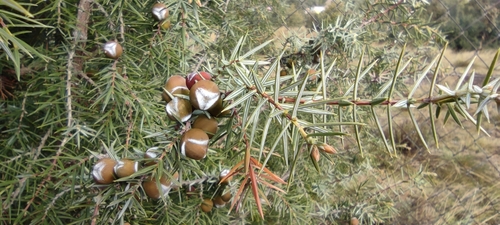
Co-occurring Conifer (c) Santiago Martín-Bravo, some rights reserved (CC BY) · cc-by Image unavailable
Parasitic Plant 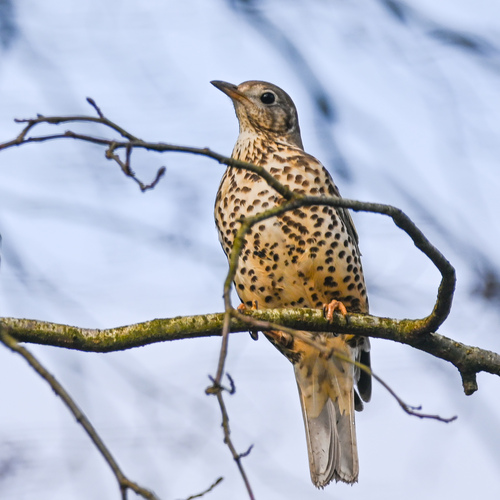
Seed Disperser (c) Frank Sengpiel, some rights reserved (CC BY), uploaded by Frank Sengpiel · cc-by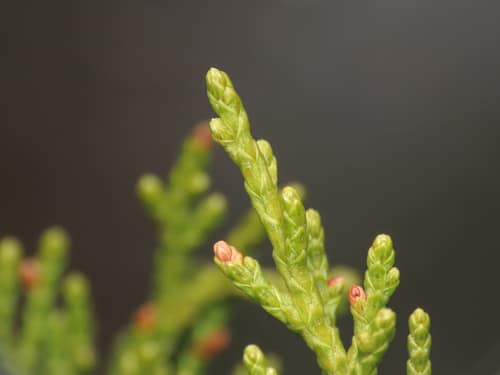
Close Relative (c) Emanuele Santarelli, some rights reserved (CC BY-SA), uploaded by Emanuele Santarelli · cc-by-sa
Help improve the field guideSomething wrong?
Checking your Fauna account…Report a name, category, or profile issue for review.