
Plant
California Incense-cedar
Calocedrus decurrensAlso known as Incense Cedar, White Cedar, Bastard Cedar
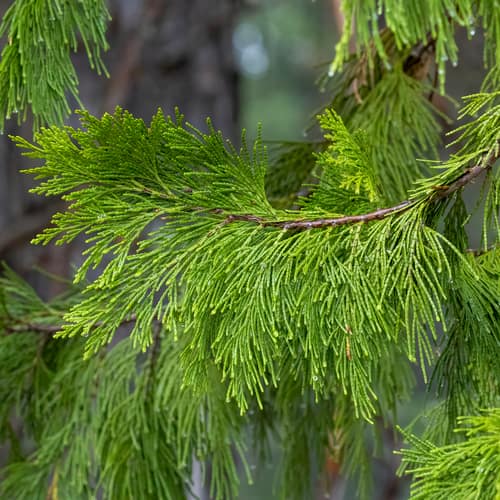
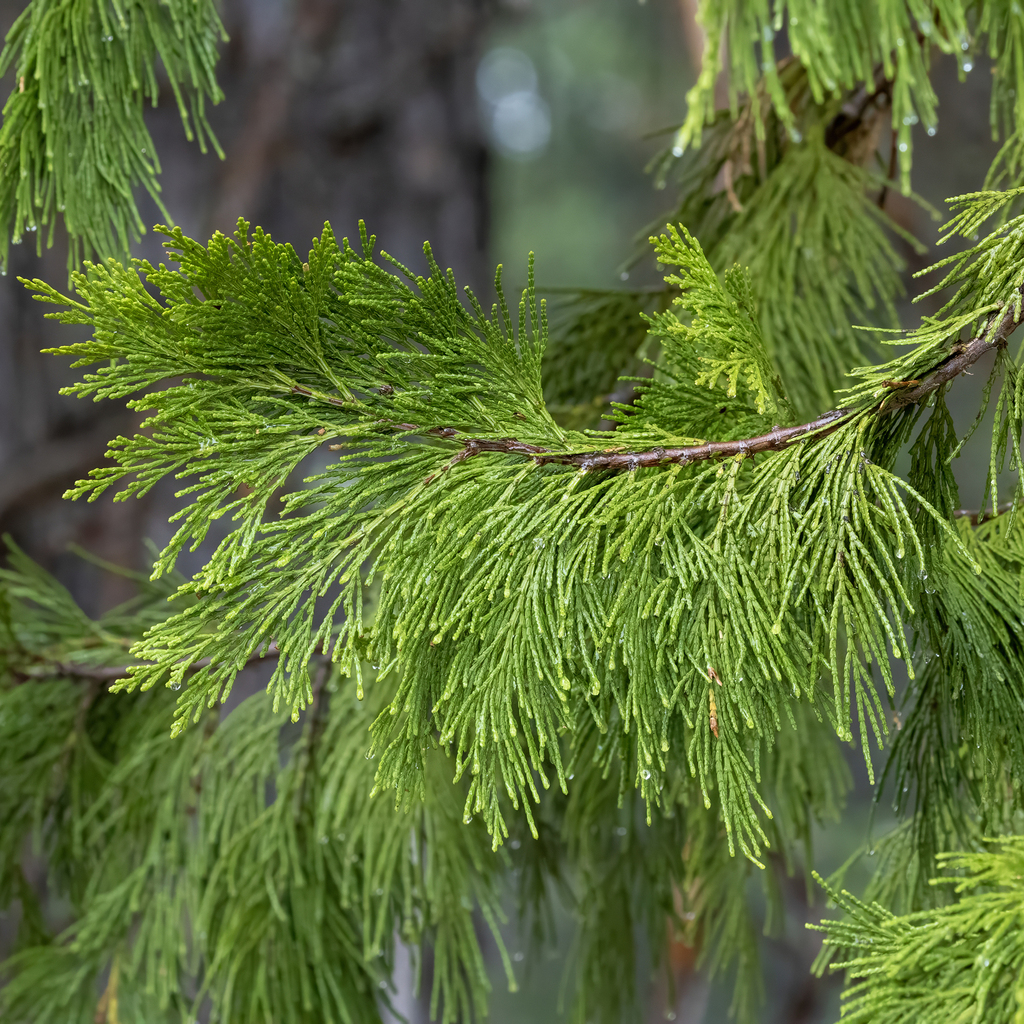
California incense-cedar features thick, fibrous, cinnamon-red bark and flattened sprays of aromatic, scale-like leaves that release a resinous fragrance when crushed. Its distinctive seed cones resemble a duck's bill when opening, shedding winged seeds that scatter across mountain slopes. Highly fire-tolerant due to its insulating bark, this majestic evergreen serves as an essential canopy component in western mixed-conifer forests.
EvergreenAromaticNative Tree
—observations
—countries
—peak records
Least ConcernConservation statusIUCN Red List categoriesLCNTVUENCREWEXLeast ConcernRed List categories, explained →
Diet & preyPhotosynthetic (Sunlight, Water, Soil Nutrients)
Predators
- Western pine beetle
- Pocket gophers
- Mountain chickadees
ThreatsSevere high-intensity wildfires, logging, bark beetle infestations
HabitatsMixed-conifer forests, mountain slopes, stream banks
Life span300–500+ years
Classification
- OrderPinales
- FamilyCupressaceae
- GenusCalocedrus
- SpeciesCalocedrus decurrens
Range data is not available yet.
Interaction riskLow
- Low
- Moderate
- High
- Very high
- Why interaction risk is low
- Safe to observe at a normal distance.
Responsible observation
- Foliage Identification: Look for flattened spray foliage with scale-like leaves in overlapping whorls of four.
- Cone Recognition: Search for small, yellow-brown seed cones that split open to resemble a duck's bill.
- Bark and Aroma: Smell crushed leaves for a distinct cedar scent and note the deeply furrowed orange-red bark.
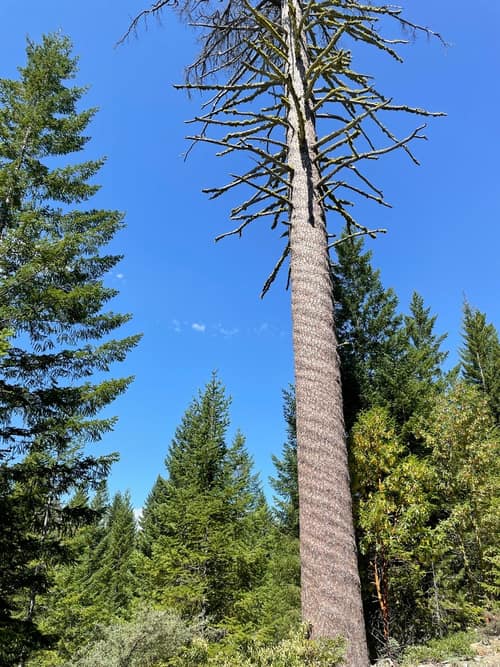
Frequent Companion (c) Roger Raiche, some rights reserved (CC BY) · cc-by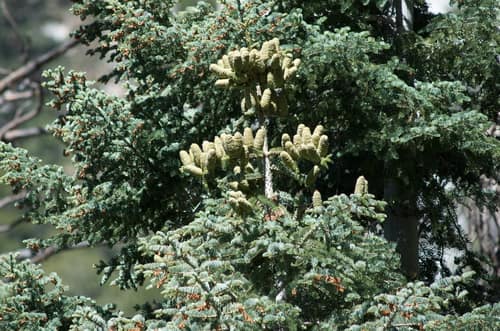
Frequent Companion (c) Jon Sullivan, some rights reserved (CC BY) · cc-by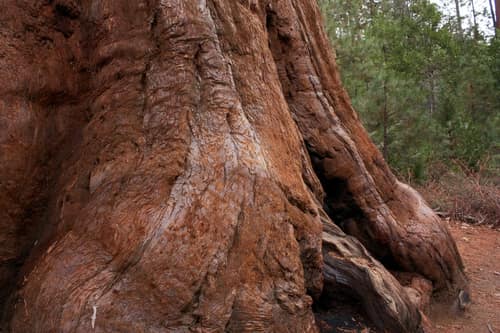
Frequent Companion (c) Laura Camp, some rights reserved (CC BY-SA) · cc-by-sa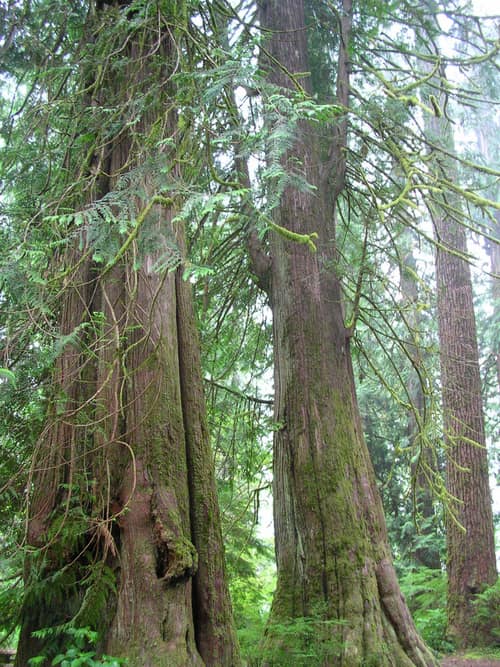
Close Relative (c) J Brew, some rights reserved (CC BY-SA), uploaded by J Brew · cc-by-sa
Help improve the field guideSomething wrong?
Checking your Fauna account…Report a name, category, or profile issue for review.