
Plant · GBIF taxon 2683544
Shiny Burrawang
Macrozamia lucidaAlso known as Shiny Macrozamia
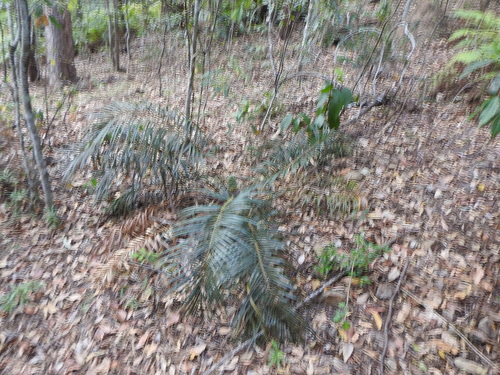
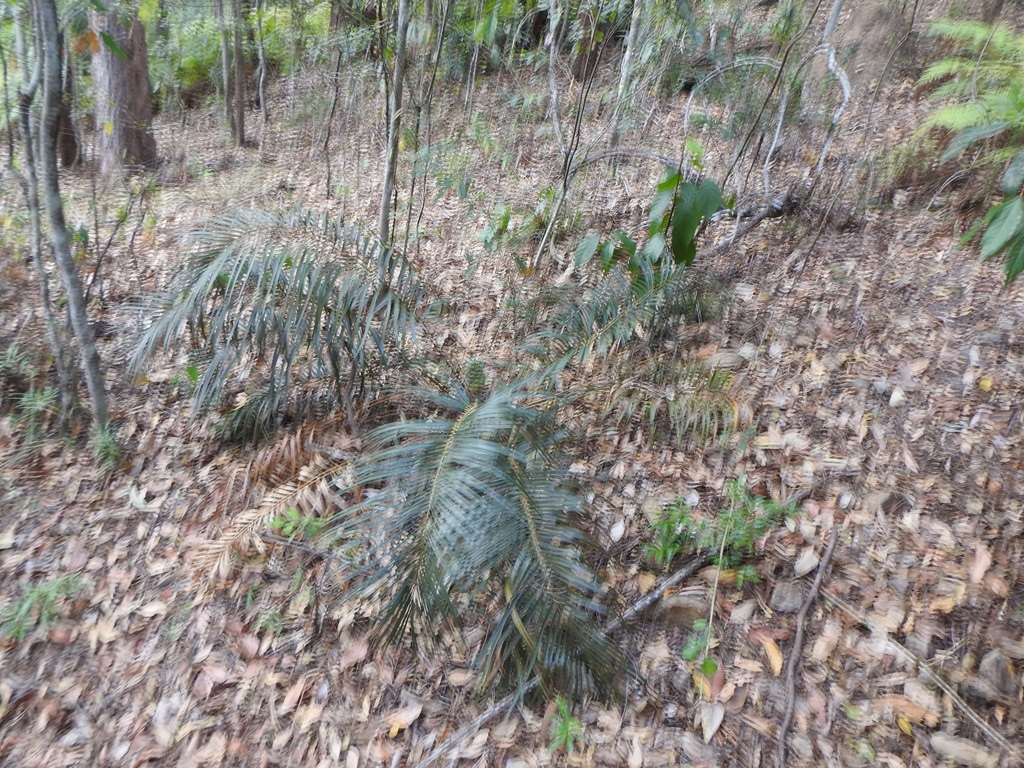
Shiny Burrawang is an ancient, slow-growing cycad recognized by its crown of deep green fronds featuring remarkably polished, glossy leaflets. Native to the shaded understoreys of coastal Queensland and New South Wales, it thrives in wet sclerophyll forests and subtropical rainforest margins. Individual plants are either male or female, producing upright pine-cone-like structures that depend on specialized thrips for pollination.
CycadToxicEvergreen
 1 / 7
1 / 7—observations
—countries
—peak records
Least ConcernConservation statusIUCN Red List categoriesLCNTVUENCREWEXLeast ConcernRed List categories, explained →
Diet & prey
- Autotrophic (Photosynthetic)
Predators
Not available
ThreatsHabitat clearance, inappropriate fire regimes, illegal wild collection
HabitatsWet sclerophyll forests, rainforest margins, coastal woodland
Life span100–300+ years
Size / weightNot available
Classification
- FamilyZamiaceae
- SpeciesMacrozamia lucida
Range data is not available yet.
Interaction riskHigh
- Low
- Moderate
- High
- Very high
- Why interaction risk is high
- All plant parts contain dangerous cycasins; keep pets away and never ingest any seeds or leaves.
- Why it is dangerous
- Contains cycasin and BMAA toxins, which cause severe gastrointestinal distress, liver failure, and neurological impairment if ingested.
- How to recognize a risky encounter
- Recognizable by dark green arching fronds with shiny leaflets emerging from a low or subterranean stem.
- What to do
- Observe from established trails and keep pets leashed to prevent accidental chewing of foliage or seeds.
- What to notice
- Forms low clumps of glossy, palm-like foliage in undisturbed east-coast forest habitats.
- Support conservation
- Leave wild plants intact, avoid disturbing reproductive cones, and report suspected illegal harvesting.
Responsible observation
- Identification: Examine the upper leaflet surfaces, which display an unusually high sheen compared to other cycads.
- Pet Safety: Keep domestic pets strictly on leash in areas with cycads, as seeds are highly poisonous.
- Photography: Capture the sculptural spiral unfurling of tender young fronds during spring growth flushes.
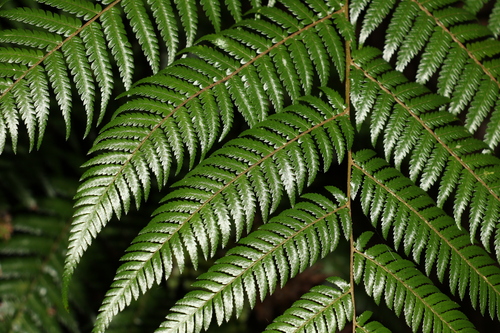
Frequent Companion (c) Greg Tasney, some rights reserved (CC BY-SA), uploaded by Greg Tasney · cc-by-sa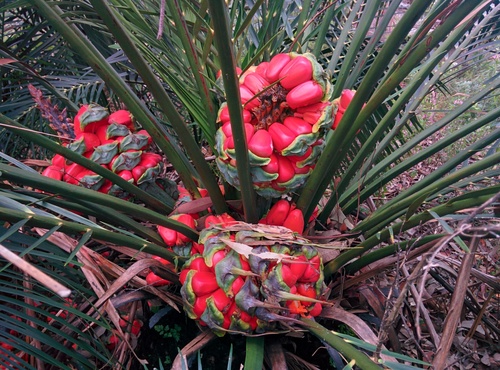
Close Relative (c) Andrew Harvey, some rights reserved (CC BY) · cc-by Image unavailable
Close Relative
Help improve the field guideSomething wrong?
Checking your Fauna account…Report a name, category, or profile issue for review.