
Plant
Queen Sago
Cycas circinalisAlso known as Fern Palm, False Sago Palm
Queen sago is an ancient palm-like gymnosperm that traces its lineage back hundreds of millions of years. Robust columnar trunks bear sprawling crowns of feathery, arching fronds up to two and a half meters long, alongside distinctive reproductive cones or leafy megasporophylls. Specialized coralloid roots host symbiotic cyanobacteria that fix atmospheric nitrogen, allowing these slow-growing survivors to thrive in rocky, nutrient-poor woodland soils.
Ancient LineageToxicEvergreen


—observations
—countries
—peak records
EndangeredConservation statusIUCN Red List categoriesLCNTVUENCREWEXEndangeredRed List categories, explained →
Diet & preyAutotrophic (Photosynthesis)
Predators
- Plains Cupid Butterfly Larvae
ThreatsHabitat clearance, wild poaching for ornamental trade, and invasive insect pests
HabitatsTropical dry deciduous forests, rocky woodland slopes, and coastal scrub
Life span100–200+ years
Classification
- FamilyCycadaceae
- SpeciesCycas circinalis
Range data is not available yet.
Interaction riskHigh
- Low
- Moderate
- High
- Very high
- Why interaction risk is high
- Contains potent toxins like cycasin; seeds and plant tissues are deadly to humans and pets if ingested.
- Why it is dangerous
- All plant tissues contain cycasin and BMAA, compounds that cause acute liver failure, gastrointestinal distress, and progressive neurological injury.
- How to recognize a risky encounter
- Recognized by a stout woody trunk topped with a crown of deep green, pinnate fronds and dense central cones or seeds.
- What to do
- Never consume any part of the plant, and keep curious pets completely away from fallen seeds.
- What to notice
- Look for large, mature specimens in southern Indian deciduous woodlands bearing long arching fronds.
- Support conservation
- Leave wild plants undisturbed, avoiding any pruning or seed harvesting, and report poaching activity.
Responsible observation
- Safe Distance: Admire foliage and cones from a respectful distance without disturbing wild plants.
- Pet Safety: Keep domestic animals away from fallen seeds, which cause severe poisoning if chewed.
- Wild Protection: Never purchase wild-harvested specimens or remove seeds from native habitats.

Predator Bayxid01 / CC BY-SA 4.0 · cc-by-sa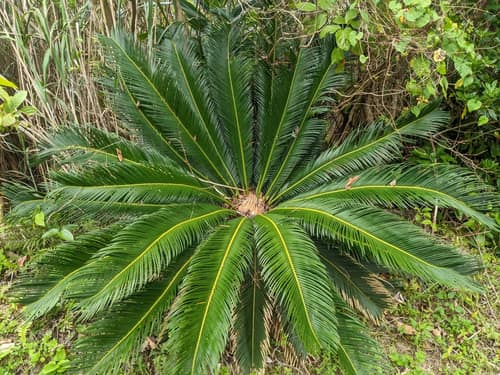
Close Relative (c) Tzu-Neng Yuan, some rights reserved (CC BY), uploaded by Tzu-Neng Yuan · cc-by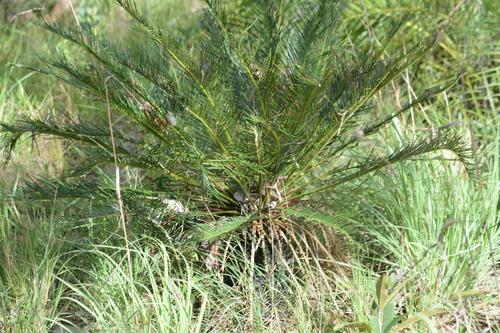
Close Relative no rights reserved, uploaded by S.MORE · cc0
Help improve the field guideSomething wrong?
Checking your Fauna account…Report a name, category, or profile issue for review.