
Plant · GBIF taxon 2683217
Cycas revoluta
cycas revolutaAlso known as Sago Palm, Japanese Sago Palm, King Sago
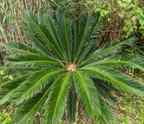
Sago cycads are living fossils belonging to an ancient seed plant lineage that predates the dinosaurs. These slow-growing gymnosperms produce rosettes of stiff, glossy, deep green fronds radiating from a thick trunk wrapped in fibrous leaf bases. Individual plants are strictly dioecious, with males producing tall yellow pollen cones and females forming feathery central seed heads.
Ancient LineageToxicEvergreen
 1 / 7
1 / 7—observations
—countries
—peak records
Least ConcernConservation statusIUCN Red List categoriesLCNTVUENCREWEXLeast ConcernRed List categories, explained →
Diet & prey
- Autotrophic (Photosynthetic)
Predators
- Cycad Scale Insects
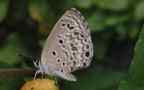
- Plain Cupid Butterfly Caterpillars
ThreatsHabitat destruction, wild poaching, and invasive cycad scale insects
HabitatsSubtropical coastal scrub, rocky cliffs, forest edges, and urban gardens
Life span100+ years
Size / weightNot available
Classification
- OrderCycadales
- FamilyCycadaceae
- GenusCycas
- Speciescycas revoluta
Range data is not available yet.
Interaction riskHigh
- Low
- Moderate
- High
- Very high
- Why interaction risk is high
- All parts are extremely toxic to humans and pets; observe without touching or ingesting.
- Why it is dangerous
- Contains cycasin and neurotoxic glycosides that cause severe liver damage, vomiting, seizures, and death if ingested.
- How to recognize a risky encounter
- Recognized by stiff, dark green, palm-like fronds with spiny tips radiating from a thick, hairy trunk.
- What to do
- Keep plants entirely out of reach of domestic pets and wear sturdy gloves when maintaining foliage.
Responsible observation
- Pet Safety: Ensure dogs and cats cannot chew on fallen seeds or fronds, as ingestion causes fatal liver failure.
- Pruning Caution: Wear thick work gloves when trimming dead fronds to avoid sharp, needle-like leaflet tips.
- Growth Monitoring: Watch the trunk center in spring for emerging leaves that unroll in a tender feather-like flush.
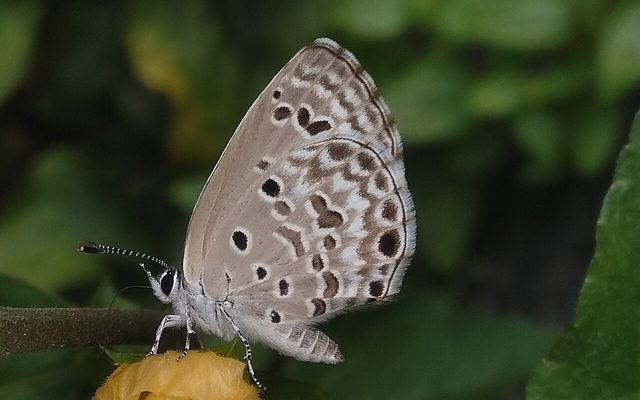
Herbivore Bayxid01 / CC BY-SA 4.0 · cc-by-sa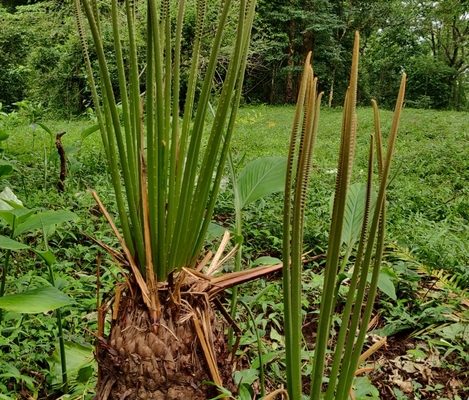
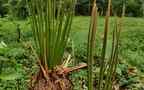
Close Relative (c) T R Shankar Raman, some rights reserved (CC BY), uploaded by T R Shankar Raman · cc-by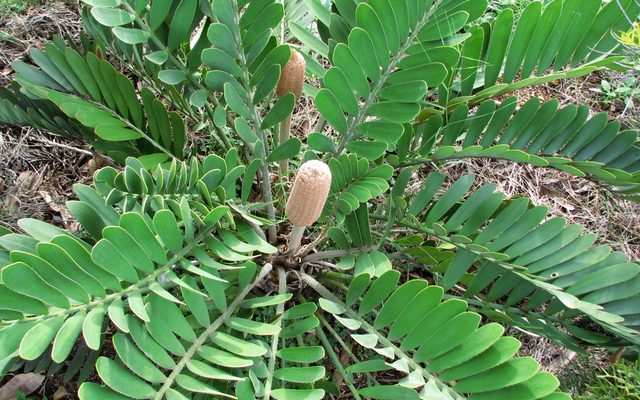
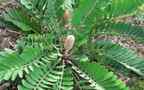
Relative (c) tanetahi, some rights reserved (CC BY) · cc-by
Help improve the field guideSomething wrong?
Checking your Fauna account…Report a name, category, or profile issue for review.