
Plant · GBIF taxon 2683214
Armstrong's Cycad
Cycas armstrongiiAlso known as Darwin Cycad
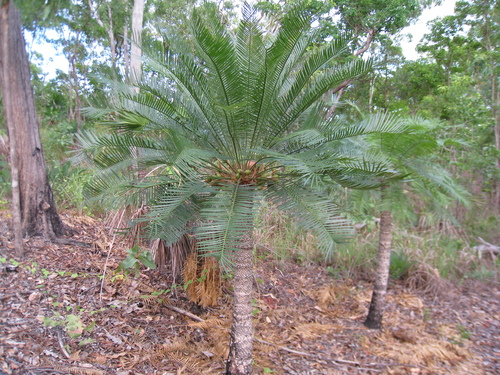
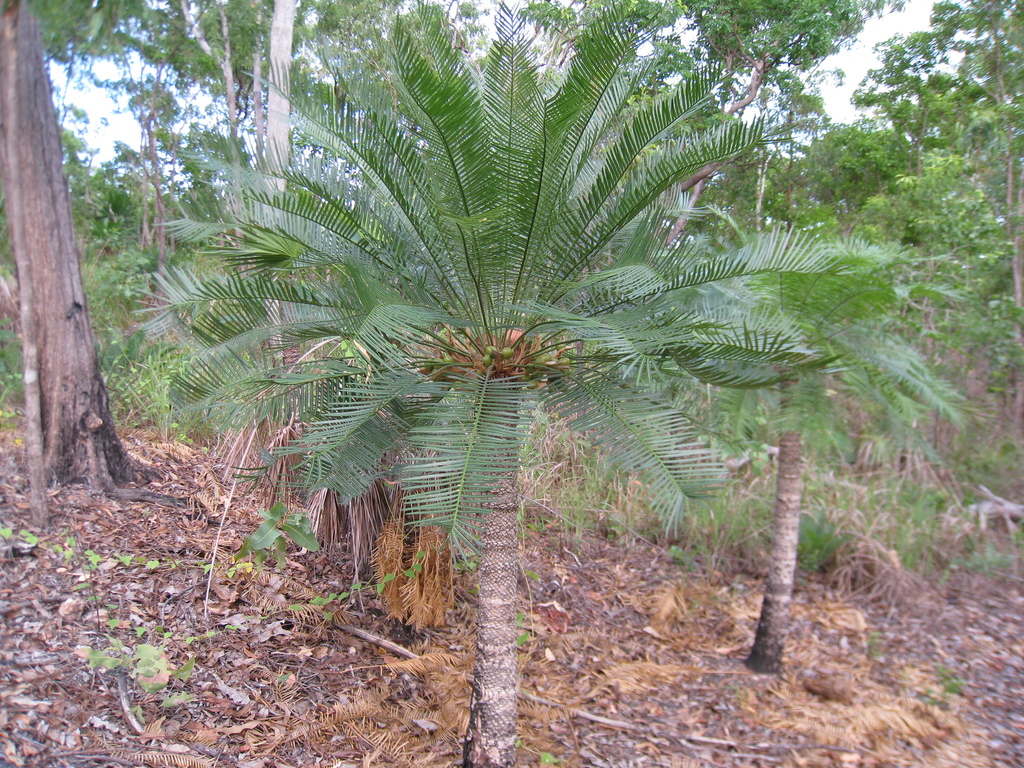
Armstrong's Cycad is an ancient, palm-like plant endemic to the tropical savannas of Australia's Northern Territory. It displays remarkable adaptation to seasonal fires, often dropping its fronds during the dry season and rapidly resprouting vibrant green rosettes following early rains or mild burns. Distinct male and female individuals reproduce via large central cones or specialized seed-bearing leaves, relying on specialized beetle pollinators to complete their life cycle.
TropicalFire-adaptedAncient
—observations
—countries
—peak records
VulnerableConservation statusIUCN Red List categoriesLCNTVUENCREWEXVulnerableRed List categories, explained →
Diet & prey
- Autotrophic (Photosynthesis)
Predators
- Herbivorous Insects
- Cycad Weevils
ThreatsInvasive gamba grass altering fire regimes, land clearing, urban development
HabitatsTropical savanna woodlands, open eucalyptus forests, rocky slopes
Life span100+ years
Size / weightNot available
Classification
- FamilyCycadaceae
- SpeciesCycas armstrongii
Range data is not available yet.
Interaction riskHigh
- Low
- Moderate
- High
- Very high
- Why interaction risk is high
- Contains potent toxic compounds including cycasin; keep pets away and never ingest any part.
- Why it is dangerous
- Contains carcinogens, cycasin, and neurotoxic amino acids that cause severe liver damage and neurological failure if ingested.
- How to recognize a risky encounter
- Appears as a small palm-like woody plant with stiff pinnate fronds and central seed clusters or pollen cones.
- What to do
- Do not collect or handle seeds without gloves, and prevent pets or livestock from grazing nearby.
- What to notice
- Slender trunk topped with a crown of arching green fronds, endemic to the top end of Australia.
- Support conservation
- Stay on designated trails to avoid trampling seedlings and leave wild seeds in place.
Responsible observation
- Observation: Look for large orange seeds attached to female megasporophylls late in the dry season.
- Fire Resilience: Observe how mature trunks survive low-intensity bushfires and quickly push out new growth.
- Safety: Ensure dogs do not chew on fallen seeds or fronds, as all parts are poisonous.
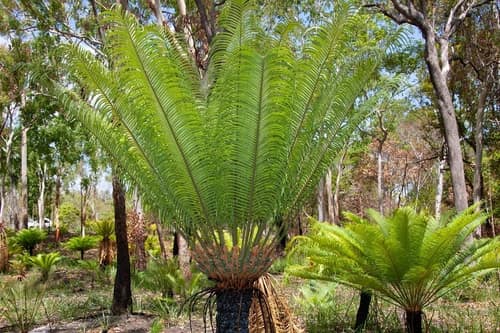
Close Relative (c) dhfischer, some rights reserved (CC BY), uploaded by dhfischer · cc-by Image unavailable
Close Relative Close Relative
Help improve the field guideSomething wrong?
Checking your Fauna account…Report a name, category, or profile issue for review.