
Plant · GBIF taxon 2681651
Sickle Moss
Sanionia uncinataAlso known as Hooked Moss, Uncinate Sickle Moss, Sickle-leaved Hook-moss
Sickle moss forms golden-green to bronze-tinted carpets across damp forest floors, decaying logs, and rocky subarctic tundra. Its defining feature is its densely packed leaves that curve dramatically in a uniform direction like tiny sickles. As a resilient pioneer organism, it retains moisture and stabilizes soil in cold ecosystems worldwide.
MossBorealSubarctic
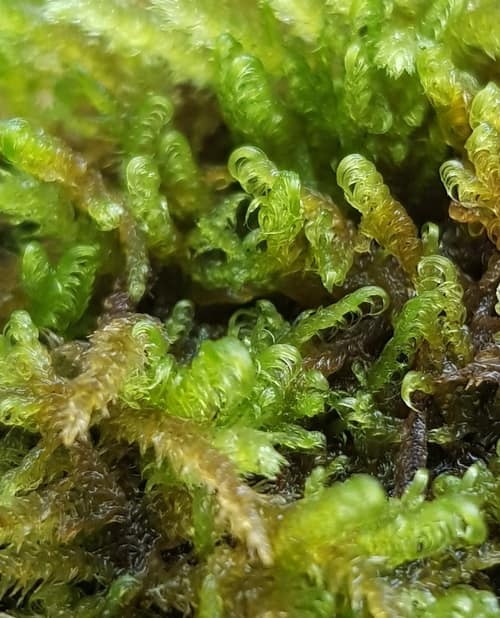
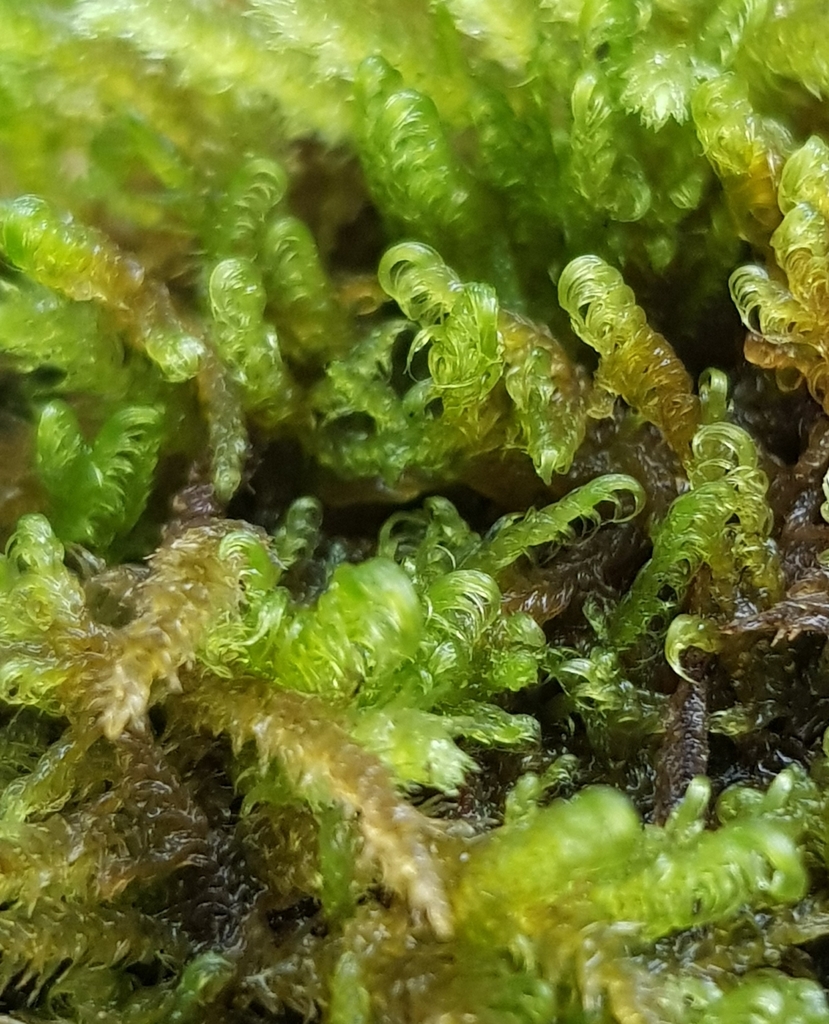 1 / 7
1 / 7—observations
—countries
—peak records
Not EvaluatedConservation statusIUCN Red List categoriesLCNTVUENCREWEXNot Evaluated — not placed on the risk ladderRed List categories, explained →
Diet & prey
- Sunlight
- Water
- Dissolved Minerals
Predators
- Tundra Lemmings
- Springtails
- Mites
ThreatsSevere forest fires, habitat conversion, localized drought
HabitatsBoreal forests, arctic tundra, decaying wood, mountain cliffs
Life spanPerennial
Size / weightNot available
Classification
- FamilyScorpidiaceae
- SpeciesSanionia uncinata
Range data is not available yet.
Interaction riskLow
- Low
- Moderate
- High
- Very high
- Why interaction risk is low
- Safe to observe at a normal distance.
Responsible observation
- Inspect with a Hand Lens: Look closely at stem tips to view the strongly hooked, sickle-shaped leaves.
- Avoid Trampling: Step carefully around moss cushions, which tear easily from substrate underfoot.
- Check Rotting Logs: Search humid forest hollows and fallen timber for bright yellow-green patches.
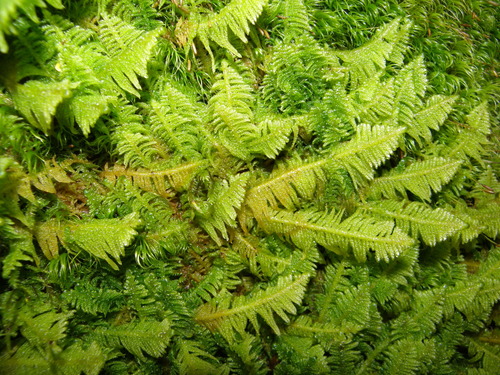
Boreal Companion (c) copepodo, some rights reserved (CC BY), uploaded by copepodo · cc-by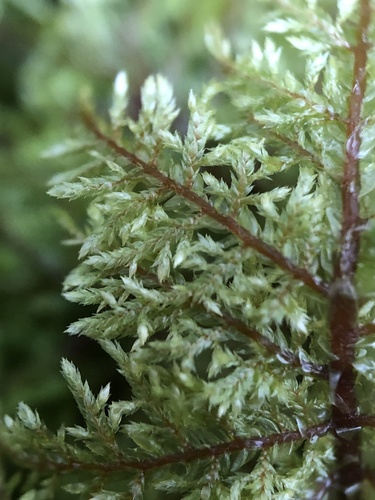
Habitat Partner (c) Scott Morris, some rights reserved (CC BY), uploaded by Scott Morris · cc-by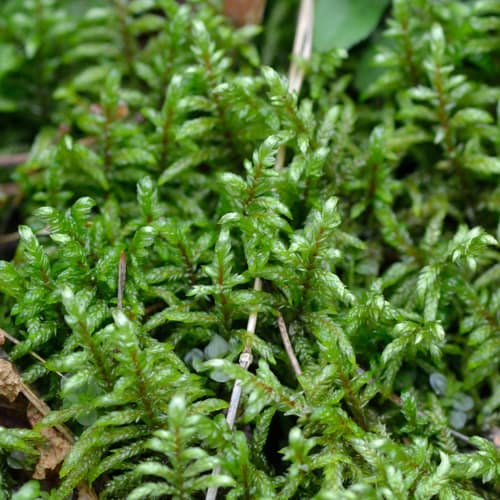
Frequent Companion (c) Fyodor Pudovikov, some rights reserved (CC BY), uploaded by Fyodor Pudovikov · cc-by
Help improve the field guideSomething wrong?
Checking your Fauna account…Report a name, category, or profile issue for review.