
Plant · GBIF taxon 2675446
Broom Fork-moss
Dicranum scopariumAlso known as Broom Moss, Broom Dicranum Moss, Windswept Moss
Broom fork-moss forms glossy, yellow-green cushions across shaded forest floors, decaying logs, and damp rock outcrops. Its common name stems from the narrow, tapering leaves that curve uniformly to one side, giving each stem a windswept appearance. Birds frequently harvest clumps of these soft shoots to line their nests, while small invertebrates seek shelter within the damp mat.
Forest FloorWindswept LookSpore Bearing
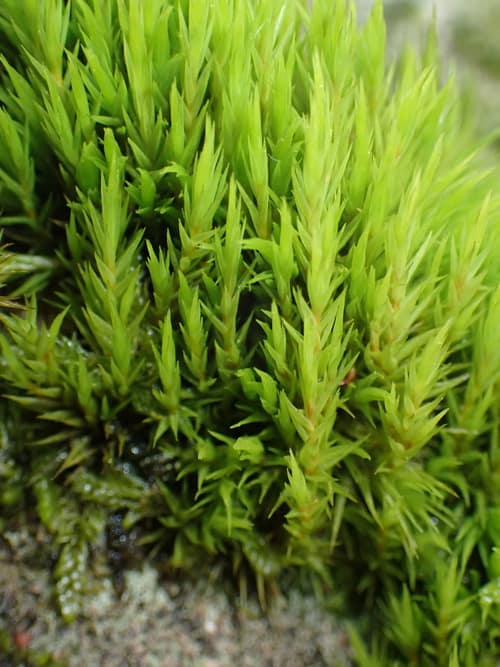
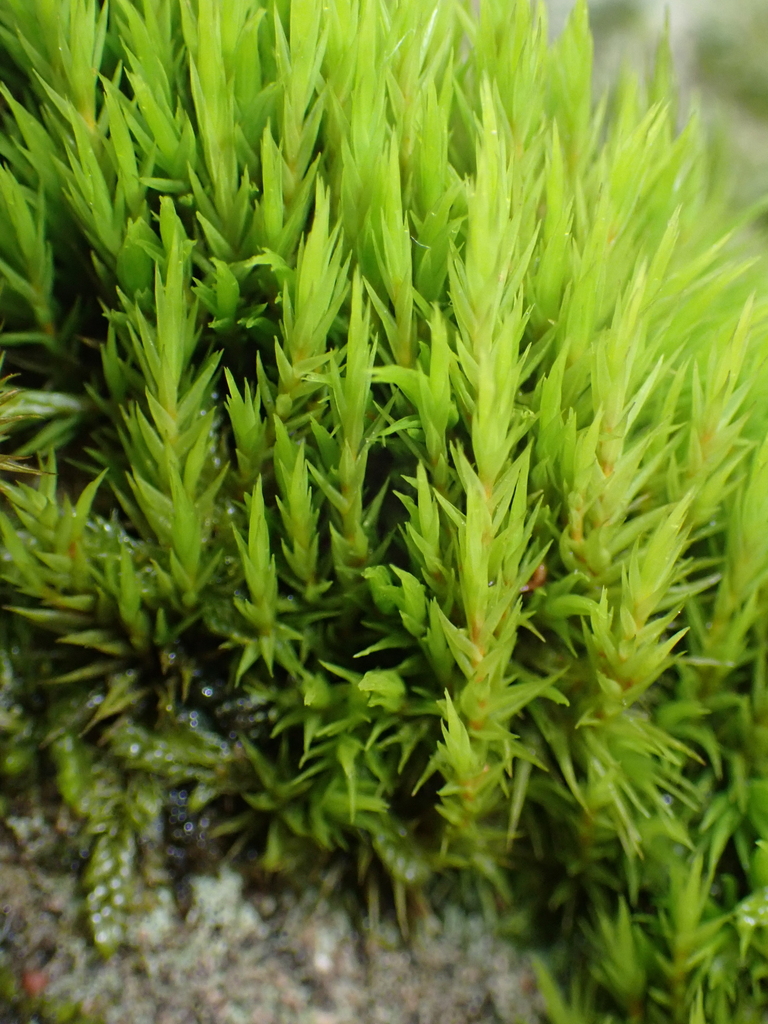 1 / 7
1 / 7—observations
—countries
—peak records
Least ConcernConservation statusIUCN Red List categoriesLCNTVUENCREWEXLeast ConcernRed List categories, explained →
Diet & prey
- Autotrophic (Photosynthetic)
Predators
- Snails
- Slugs
- Birds
ThreatsAir pollution, severe atmospheric drying, habitat destruction
HabitatsForest floors, decaying logs, rock outcrops, heathlands
Life spanPerennial
Size / weightNot available
Classification
- OrderDicranales
- FamilyDicranaceae
- GenusDicranum
- SpeciesDicranum scoparium
Range data is not available yet.
Interaction riskLow
- Low
- Moderate
- High
- Very high
- Why interaction risk is low
- Safe to observe at a normal distance.
Responsible observation
- Examine Leaf Angle: Use a hand lens to see the leaves curling uniformly to one direction like a broom.
- Avoid Trampling: Step carefully on forest trails to protect fragile moss cushions from compaction.
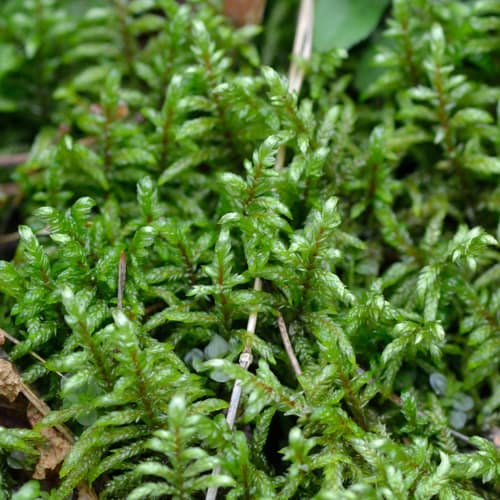
Frequent Companion (c) Fyodor Pudovikov, some rights reserved (CC BY), uploaded by Fyodor Pudovikov · cc-by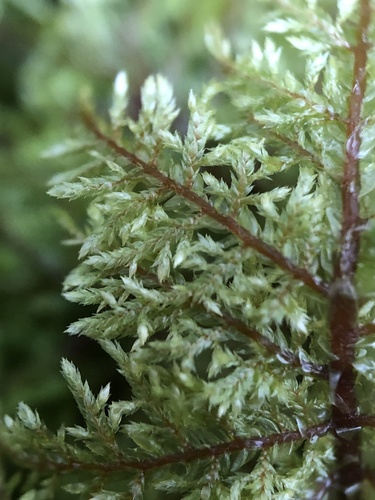
Frequent Companion (c) Scott Morris, some rights reserved (CC BY), uploaded by Scott Morris · cc-by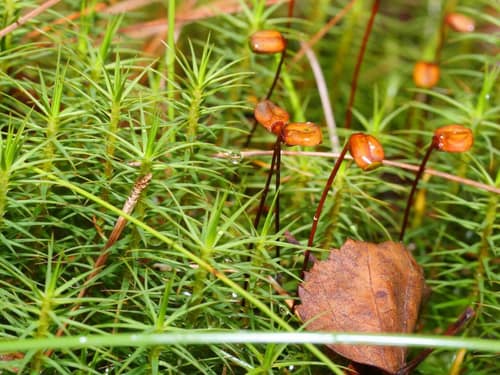
Competitor Kristian Peters -- Fabelfroh 14:35, 21 October 2007 (UTC) / CC BY-SA 3.0 · cc-by-sa Image unavailable
Close Relative
Keep collecting in Fauna
Found in Collections
Ecosystem chain
The Forest Floor
Broom Fork-moss is found in this collection. Identify it in Fauna to fill this slot and continue your progress.
—/12
Help improve the field guideSomething wrong?
Checking your Fauna account…Report a name, category, or profile issue for review.