
Plant · GBIF taxon 2669215
Sphagnum Moss
Sphagnum fuscumAlso known as Rusty Bogmoss, Rusty Peat Moss, Brown Bogmoss
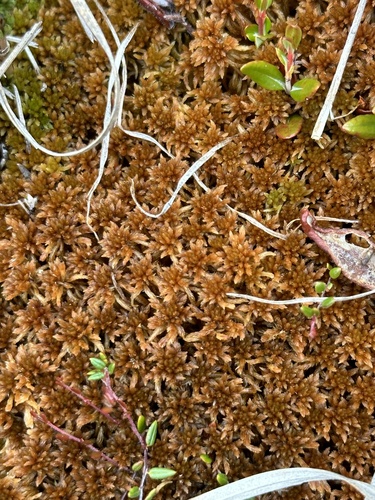
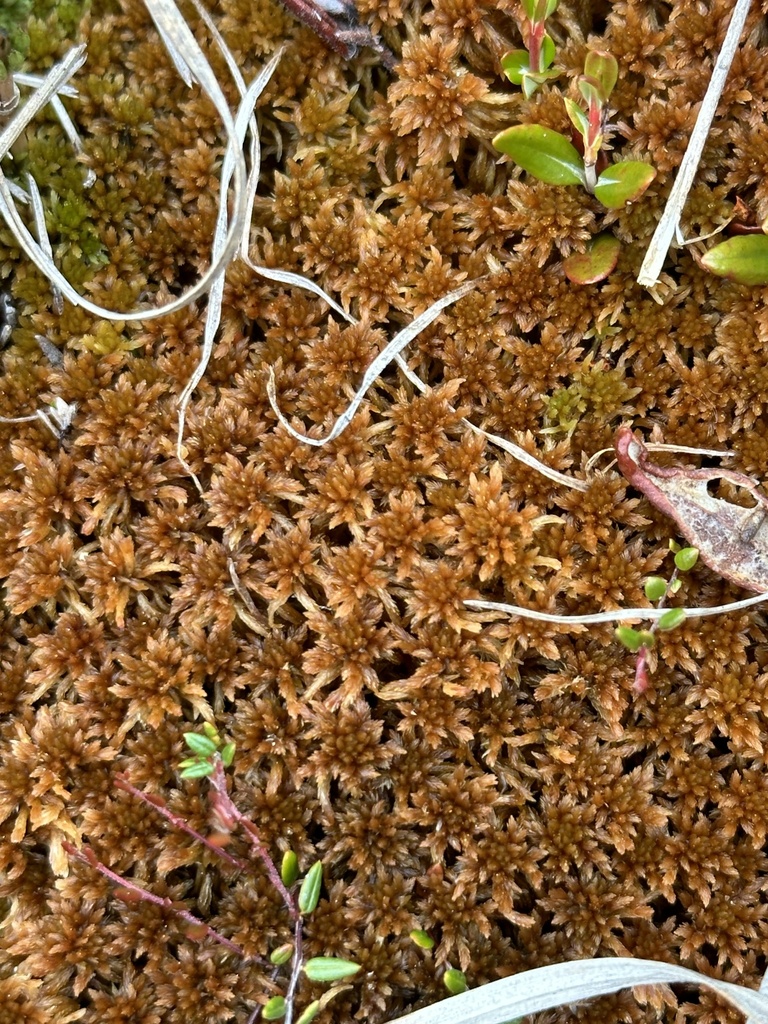
Rusty bogmoss forms dense, dark brown to rust-colored hummocks that rise above the water table in northern peatlands. Its tightly packed stems act like massive natural sponges, holding many times their dry weight in acidic water and creating an environment where decay slows to a crawl. Over centuries, buried layers of these compact cushions build up the rich peat deposits that lock away vast amounts of global carbon.
PeatlandHummock-FormingMoss
—observations
—countries
—peak records
Least ConcernConservation statusIUCN Red List categoriesLCNTVUENCREWEXLeast ConcernRed List categories, explained →
Diet & prey
- Autotrophic (Photosynthetic)
Predators
Not available
ThreatsPeat mining, wetland drainage, climate warming
HabitatsOmbrotrophic bogs, acidic peatlands, muskeg, subarctic tundra
Life spanPerennial (hummocks persist for decades)
Size / weightNot available
Classification
- FamilySphagnaceae
- SpeciesSphagnum fuscum
Range data is not available yet.
Interaction riskLow
- Low
- Moderate
- High
- Very high
- Why interaction risk is low
- Safe to observe at a normal distance.
Responsible observation
- Observing Hummocks: Look for tight, reddish-brown cushion-like mounds rising above wetter bog hollows.
- Microscope View: Examine branch leaves under magnification to see characteristic clear water-storage cells.
- Tread Lightly: Stick to boardwalks when visiting bogs to prevent trampling delicate surface hummocks.
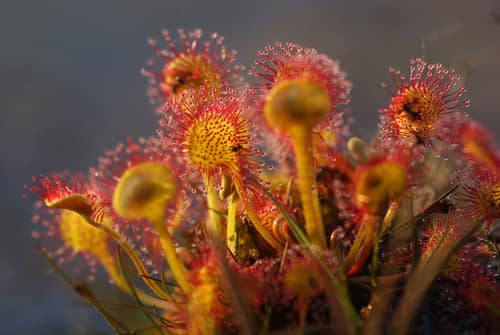
Frequent Companion (c) Sylvain Montagner, some rights reserved (CC BY), uploaded by Sylvain Montagner · cc-by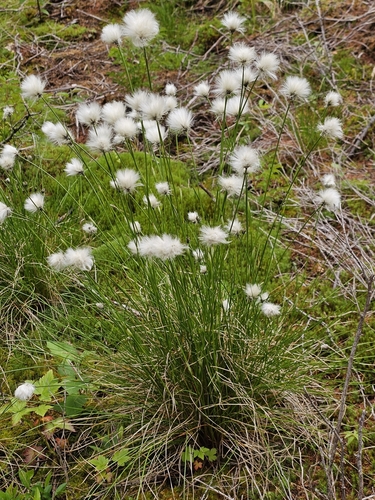
Frequent Companion (c) Norma Malinowski, some rights reserved (CC BY), uploaded by Norma Malinowski · cc-by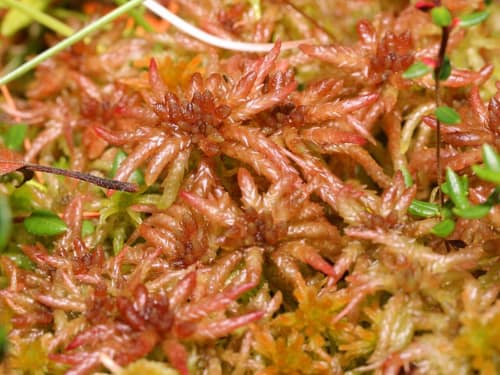
Close Relative Kristian Peters -- Fabelfroh 15:11, 5 September 2007 (UTC) / CC BY-SA 3.0 · cc-by-sa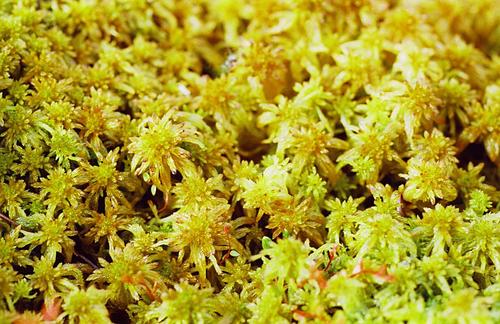
Close Relative (c) anonymous, some rights reserved (CC BY-SA) · cc-by-sa
Help improve the field guideSomething wrong?
Checking your Fauna account…Report a name, category, or profile issue for review.