
Plant
Prairie Peatmoss
Sphagnum palustreAlso known as Prairie Sphagnum, Blunt-leaved Bogmoss, Blunt-leaved Peatmoss
Prairie peatmoss forms dense, pale green to golden-brown carpets across damp woodland floors and shaded wetland seepages. Specialized hollow hyaline cells lined with spiral fibrils allow each stem to absorb and hold up to thirty times its dry weight in moisture. Over successive seasons, decaying lower layers accumulate into deep, carbon-storing peat deposits that buffer local hydrology.
BryophyteWetlandMoisture-loving
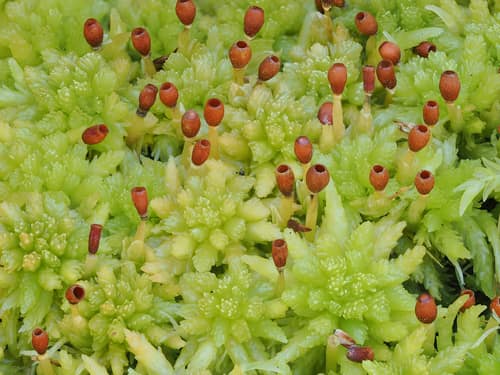
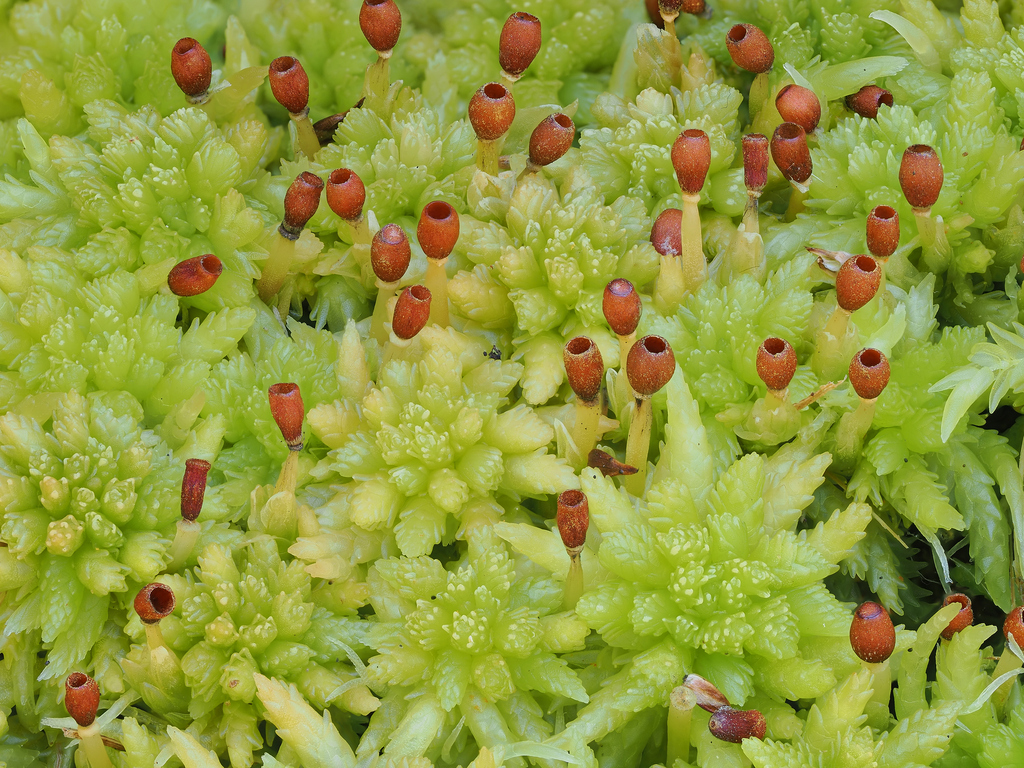
—observations
—countries
—peak records
Least ConcernConservation statusIUCN Red List categoriesLCNTVUENCREWEXLeast ConcernRed List categories, explained →
Diet & preyAutotrophic (photosynthesis and mineral absorption)
ThreatsWetland drainage, peat harvesting, altered hydrological regimes
HabitatsWet coniferous and deciduous woods, shaded swamps, seepage fens
Life spanIndeterminate (perennial continuous clonal growth)
Classification
- FamilySphagnaceae
- SpeciesSphagnum palustre
Range data is not available yet.
Interaction riskLow
- Low
- Moderate
- High
- Very high
- Why interaction risk is low
- Safe to observe at a normal distance.
Responsible observation
- Inspection: Gently touch the rounded branch capitula to feel the remarkably sponge-like water retention.
- Habitat Clue: Look in damp, shaded woods rather than exposed open bogs to distinguish it from many bog-specialist mosses.
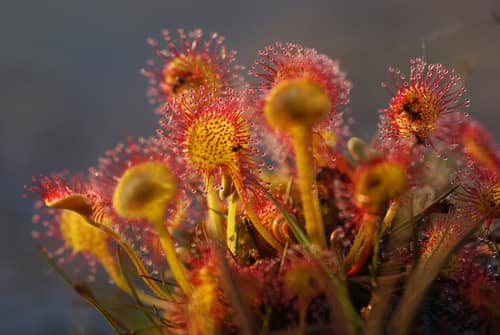
Frequent Companion (c) Sylvain Montagner, some rights reserved (CC BY), uploaded by Sylvain Montagner · cc-by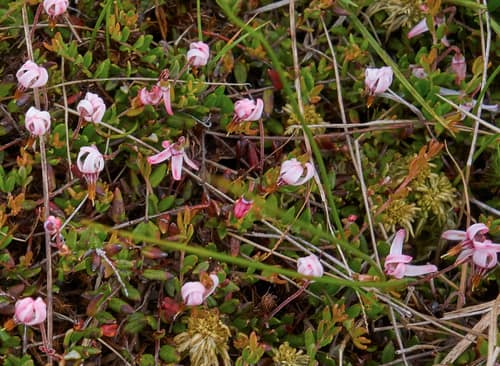
Frequent Companion no rights reserved, uploaded by David Bird · cc0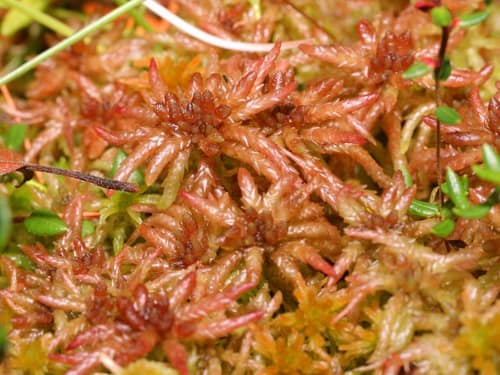
Close Relative Kristian Peters -- Fabelfroh 15:11, 5 September 2007 (UTC) / CC BY-SA 3.0 · cc-by-sa Image unavailable
Close Relative
Help improve the field guideSomething wrong?
Checking your Fauna account…Report a name, category, or profile issue for review.