
Plant · GBIF taxon 2669001
Sphagnum Moss
Sphagnum magellanicumAlso known as Magellanic Bogmoss, Magellan's Sphagnum, Magellan's Peatmoss, Midway Peat Moss
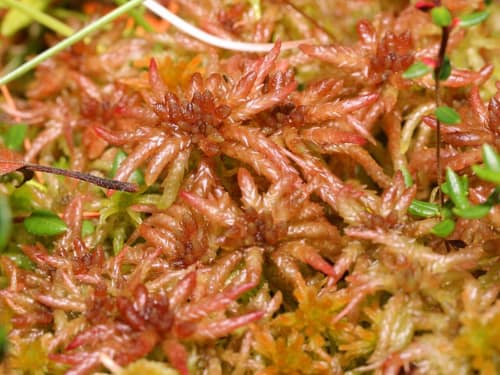
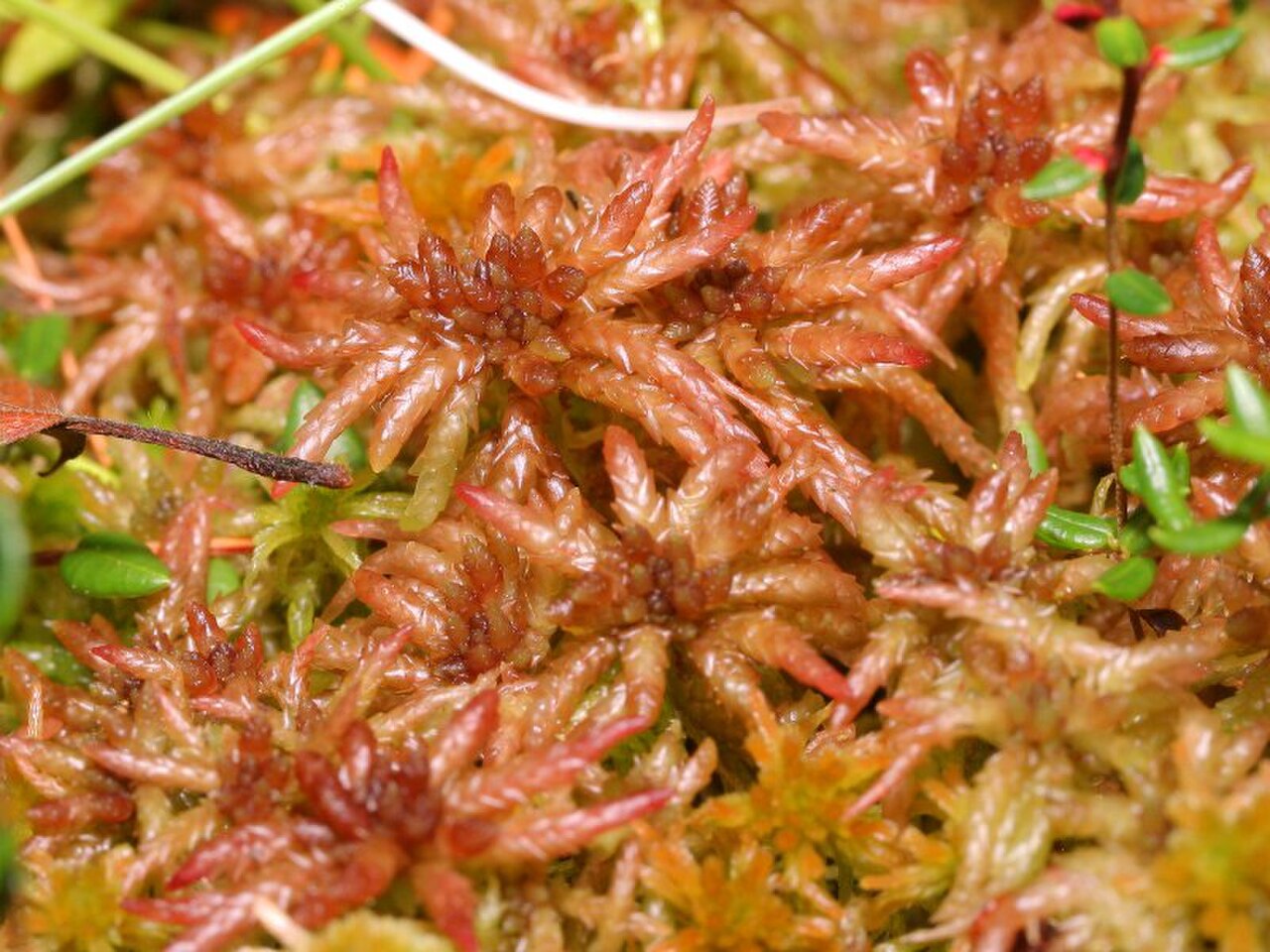
Magellanic bogmoss forms dense purplish-red carpets and hummocks across wet acidic peatlands worldwide. Capable of holding more than twenty times its dry weight in water, it actively reshapes its environment by creating acidic, waterlogged conditions that slow decay and store massive amounts of carbon. Its lower stems gradually decompose over centuries into thick layers of sphagnum peat.
Peat-BuildingBorealMoisture-Loving
 1 / 7
1 / 7—observations
—countries
—peak records
Least ConcernConservation statusIUCN Red List categoriesLCNTVUENCREWEXLeast ConcernRed List categories, explained →
Diet & prey
- Autotrophic (Photosynthetic)
Predators
- Waterfowl
- Insects
- Mites
ThreatsPeat extraction, wetland drainage, climate change
HabitatsAcidic bogs, poor fens, boreal peatlands, wet spruce forests
Life spanPerennial
Size / weightNot available
Classification
- FamilySphagnaceae
- SpeciesSphagnum magellanicum
Range data is not available yet.
Interaction riskLow
- Low
- Moderate
- High
- Very high
- Why interaction risk is low
- Safe to observe at a normal distance.
- What to notice
- Forms raised purplish or crimson cushions across wet peat bogs and boggy forest edges.
- Support conservation
- Walk only on boardwalks or established trails when exploring bog habitats to avoid damaging moss carpets.
Responsible observation
- Observation: Gently squeeze a strand to observe its remarkable water retention before replacing it.
- Identification: Look for distinctive purplish-red shading on top capitula growing in sunny bog cushions.
- Habitat Care: Stay on marked boardwalks because stepping on bog hummocks crushes living moss growth.
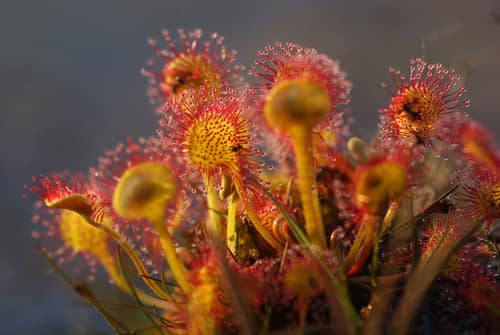
Frequent Companion (c) Sylvain Montagner, some rights reserved (CC BY), uploaded by Sylvain Montagner · cc-by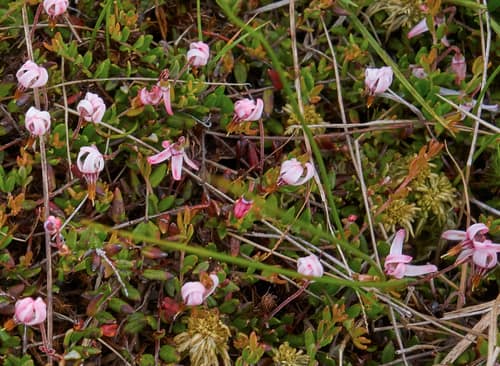
Frequent Companion no rights reserved, uploaded by David Bird · cc0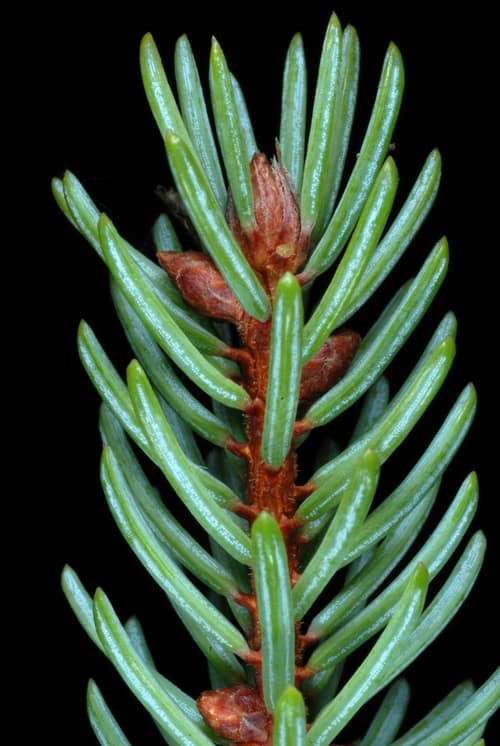
Frequent Companion (c) Douglas Goldman, some rights reserved (CC BY-SA), uploaded by Douglas Goldman · cc-by-sa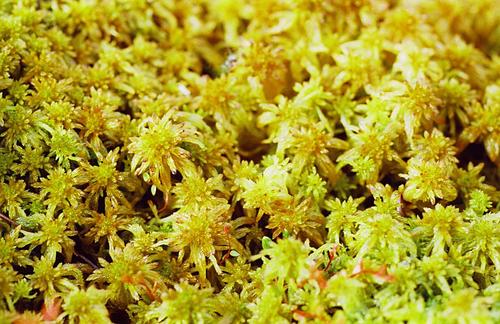
Close Relative (c) anonymous, some rights reserved (CC BY-SA) · cc-by-sa Image unavailable
Close Relative
Help improve the field guideSomething wrong?
Checking your Fauna account…Report a name, category, or profile issue for review.