
Plant · GBIF taxon 2653308
Desert Ephedra
Ephedra triandraAlso known as Pingopingo, South American Ephedra, Joint-fir
Desert Ephedra anchors fragile arid soils across dry South American valleys and rocky slopes with dense clusters of photosynthetic green stems. These primitive gymnosperms rely heavily on wind pollination while producing fleshy, colorful seed cones that attract local birds for dispersal. Highly adapted to severe drought, the plant reduces its leaves to tiny scale-like sheaths at the stem nodes to minimize water loss.
Drought-TolerantShrubGymnosperm
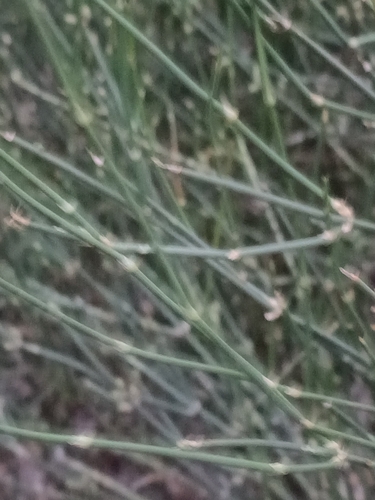
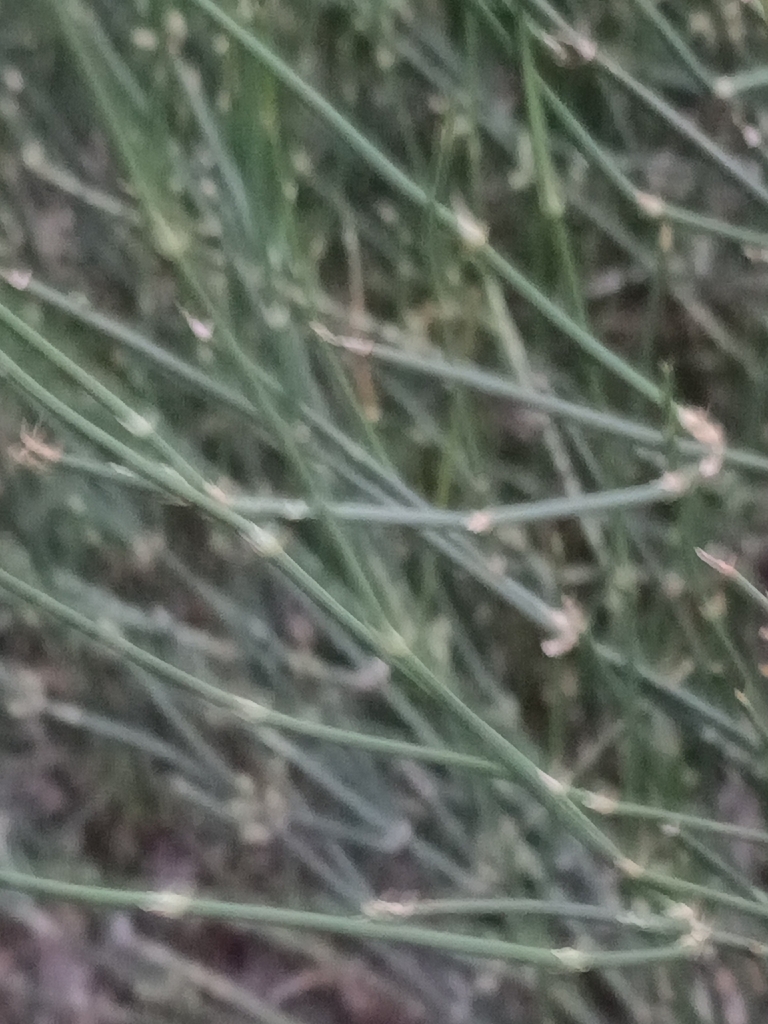
Licensed reference(c) Benjamin Bender, some rights reserved (CC BY) · cc-by
—observations
—countries
—peak records
Least ConcernConservation statusIUCN Red List categoriesLCNTVUENCREWEXLeast ConcernRed List categories, explained →
Diet & prey
- Photosynthetic
Predators
- Livestock
- Native rodents
- Insects
ThreatsAgricultural expansion, habitat degradation, overgrazing
HabitatsArid scrublands, dry valleys, rocky slopes
Life span20–50 years
Size / weightNot available
Classification
- FamilyEphedraceae
- SpeciesEphedra triandra
Range data is not available yet.
Interaction riskLow
- Low
- Moderate
- High
- Very high
- Why interaction risk is low
- Safe to observe at a normal distance.
Responsible observation
- Visual Cues: Examine the jointed, broom-like stems and small translucent scale leaves at each node.
- Habitat Spotting: Search dry, exposed slopes and desert scrub ecosystems across southern South America.
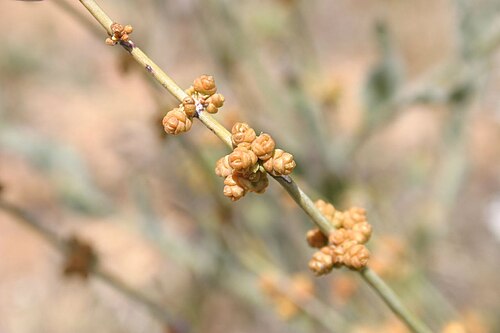
Close Relative Joe Decruyenaere / CC BY-SA 2.0 · cc-by-sa Image unavailable
Close Relative 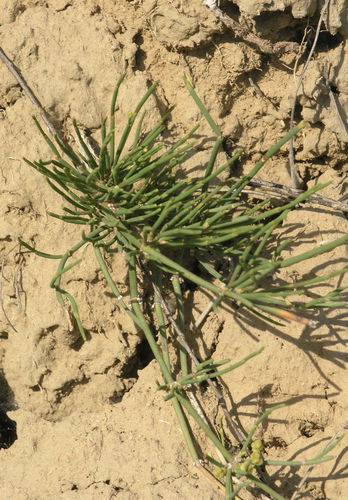
Close Relative (c) Oleg Kosterin, some rights reserved (CC BY), uploaded by Oleg Kosterin · cc-by
Help improve the field guideSomething wrong?
Checking your Fauna account…Report a name, category, or profile issue for review.