Also known as Fiddlehead Fern, Shuttlecock Fern, King Fern
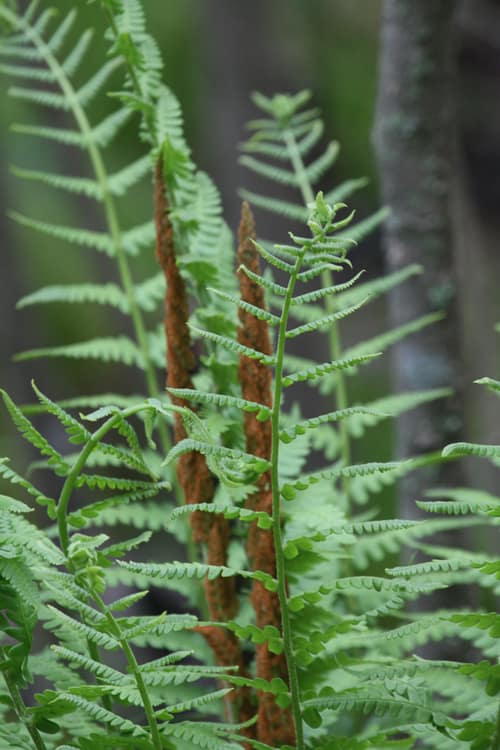
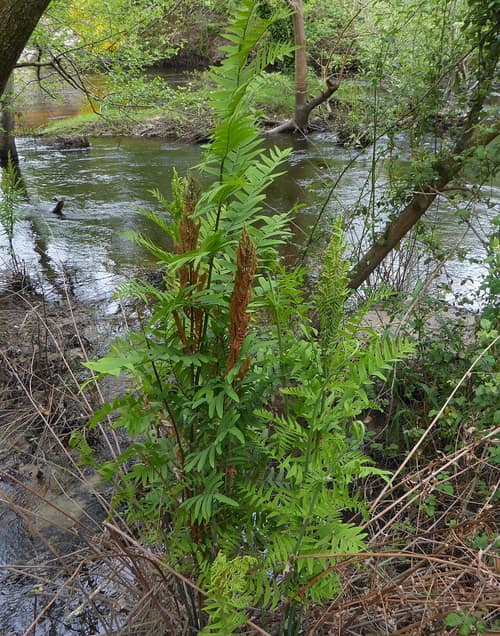
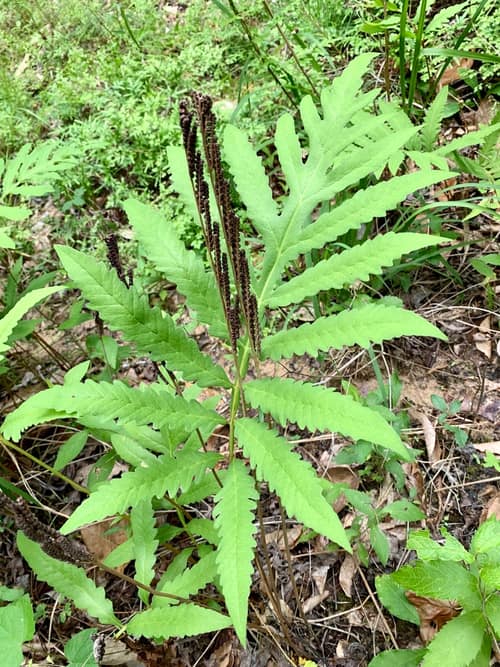
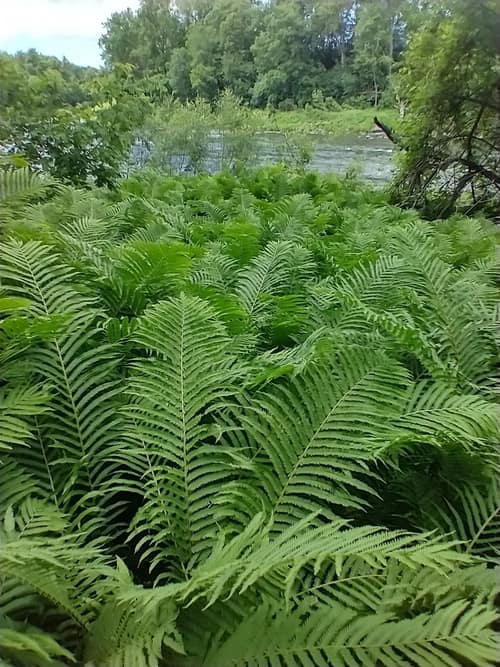
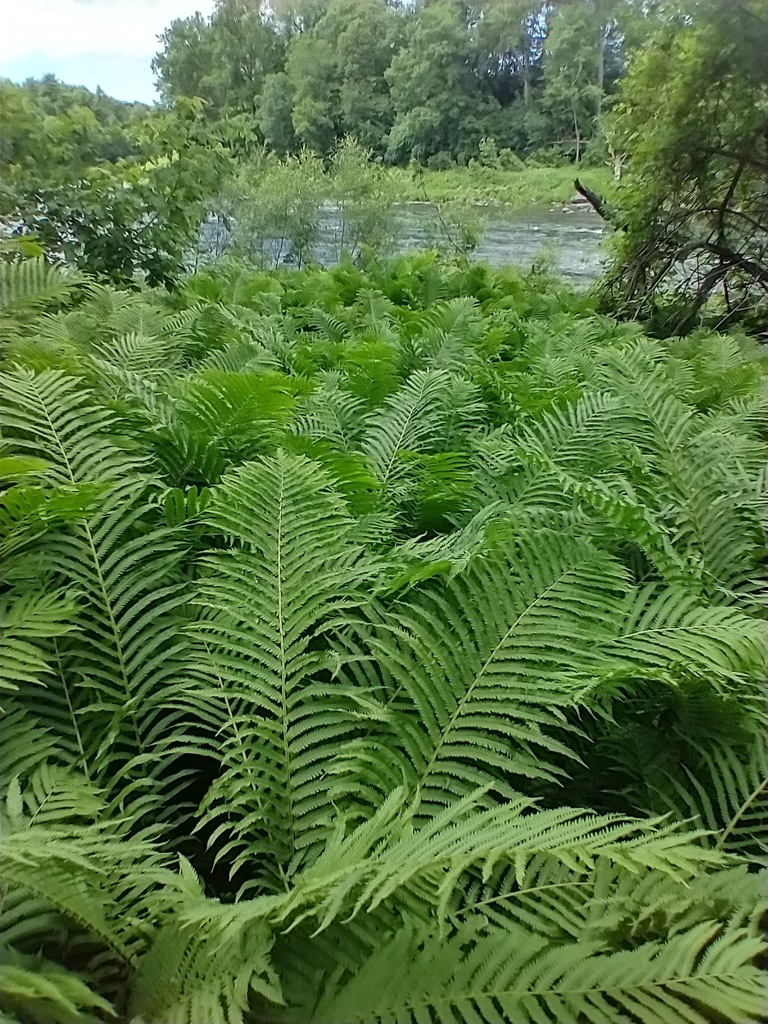
Ostrich ferns form dramatic, vase-shaped clusters of feathery green fronds that resemble the ostentatious plumes of their namesake bird. Emerging in early spring as tightly coiled fiddleheads covered in papery brown scales, the fronds rapidly expand to create dense understory thickets along rich river floodplains. Dark brown, bead-like fertile fronds rise from the center of each rosette in late summer, persisting through winter to release spores above snow cover.
Raw fronds cause gastrointestinal illness and look-alike ferns are toxic; never eat wild plants based on app identification.
Why it is dangerous
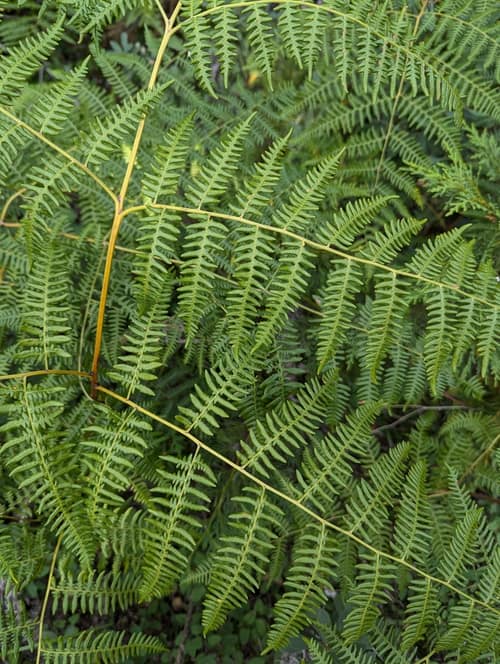
Raw fiddleheads contain toxins causing severe gastrointestinal distress, and dangerous look-alikes such as bracken fern contain carcinogenic ptaquiloside.
How to recognize a risky encounter
Identified by vase-like rosettes and smooth, bright green fronds with a distinct U-shaped groove running along the inside stem.
What to do
Observe the plants in their moist habitat without disturbing root networks or trampling fragile riverbank soils.
Responsible observation
Spring Identification: Check the inner face of the stem for a clear, smooth U-shaped channel.
Winter Spotting: Look for rigid, dark brown fertile fronds standing erect above the snow cover.

 1 / 7
1 / 7