
Plant · GBIF taxon 2650633
Walking Fern
Asplenium rhizophyllumAlso known as American Walking Fern
Walking ferns earn their name from an unusual habit of rooting from the elongated tips of their arching fronds, creating new plantlets that form dense, interconnected colonies over time. They thrive on shaded, moss-covered limestone outcrops and damp cliff faces across eastern North America. Their simple, narrow fronds remain green year-round, anchoring firmly into rocky crevices where few other plants take hold.
EvergreenRock-DwellingFern
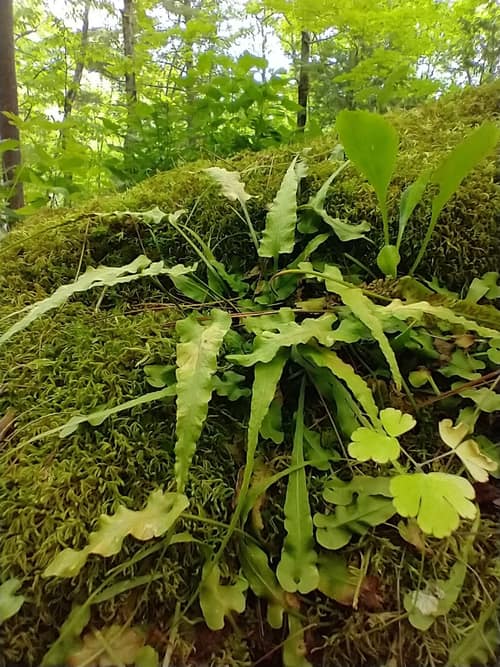
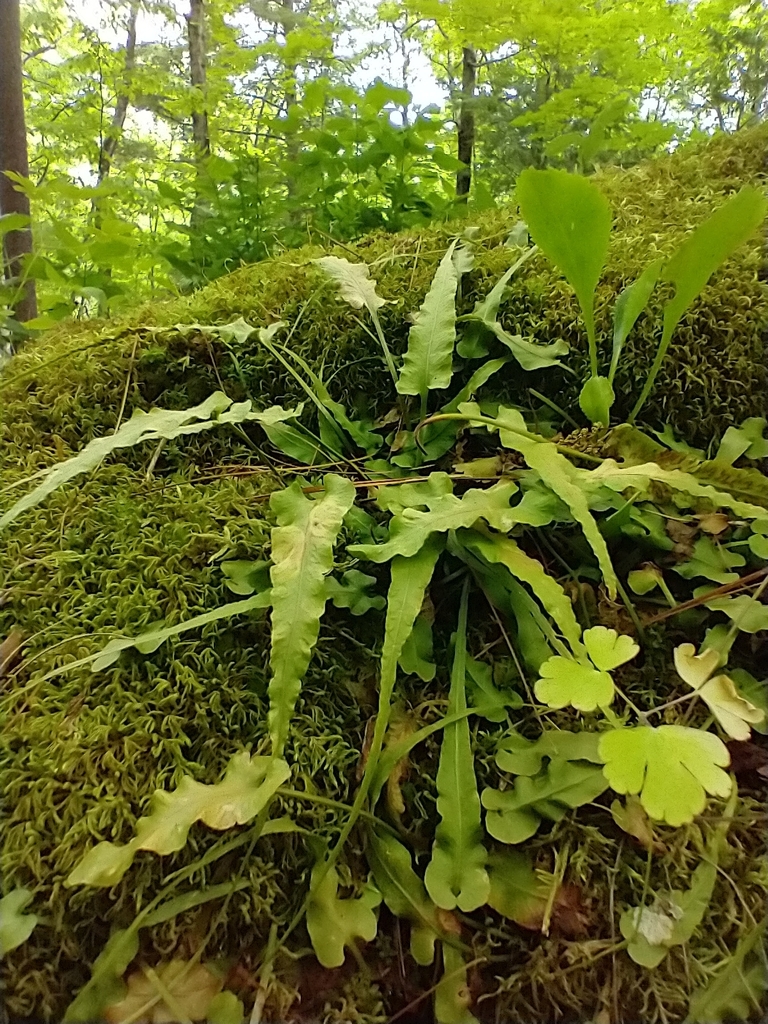
—observations
—countries
—peak records
Least ConcernConservation statusIUCN Red List categoriesLCNTVUENCREWEXLeast ConcernRed List categories, explained →
Diet & prey
- Autotrophic
Predators
- Slugs
- Snails
ThreatsQuarrying, deforestation, canopy loss, and trampling
HabitatsShaded limestone cliffs, mossy boulders, and rocky ravine woods
Life spanPerennial
Size / weightNot available
Classification
- FamilyAspleniaceae
- SpeciesAsplenium rhizophyllum
Range data is not available yet.
Interaction riskLow
- Low
- Moderate
- High
- Very high
- Why interaction risk is low
- Safe to observe at a normal distance.
Responsible observation
- Limestone Habitats: Scan shaded, moss-covered rock faces and damp overhangs.
- Tip Rooting: Look closely at where long leaf tips touch rock to see new plantlets.
- Habitat Protection: Keep to established paths to prevent dislodging fragile roots.
 Image unavailable
Hybrid Offspring Close Relative 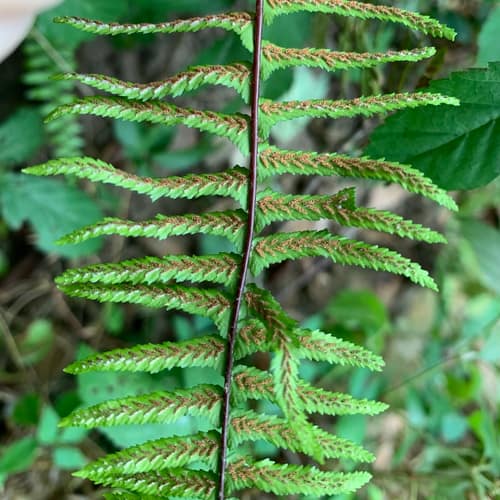
Close Relative (c) Laura Clark, some rights reserved (CC BY), uploaded by Laura Clark · cc-by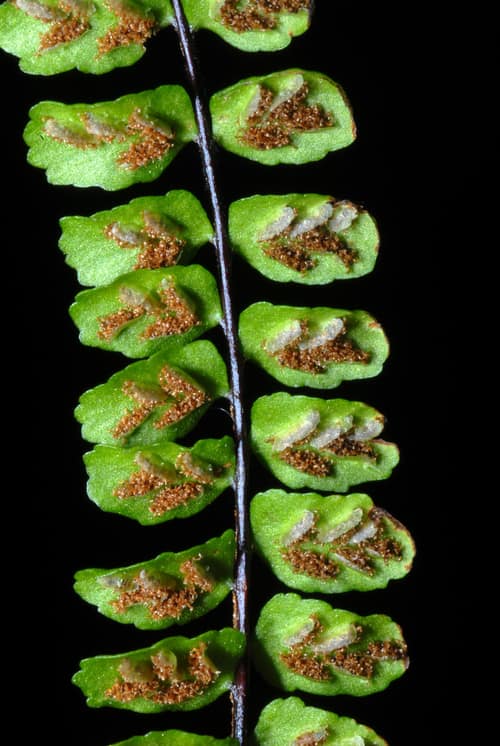
Close Relative (c) Douglas Goldman, some rights reserved (CC BY-SA), uploaded by Douglas Goldman · cc-by-sa
Help improve the field guideSomething wrong?
Checking your Fauna account…Report a name, category, or profile issue for review.