
Plant · GBIF taxon 2650332
Hawaiian Tree Fern
Cibotium glaucumAlso known as Hāpuʻu Pulu, Hāpuʻu, Glaucous Tree Fern
Hāpuʻu pulu shapes the understory of Hawaiian rainforests with its dramatic canopy of arching, pale green fronds lined underneath with a silvery bloom. Thick trunks composed of interwoven aerial roots create moist microhabitats where epiphytic orchids, mosses, and seed plants take root. Soft, golden wool known as pulu heavily covers the emerging fiddleheads, which uncoil slowly into grand fronds up to three meters long.
Tree FernEndemicRainforest
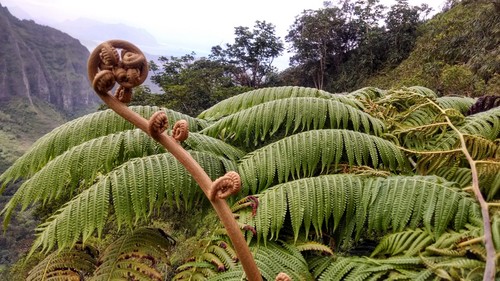
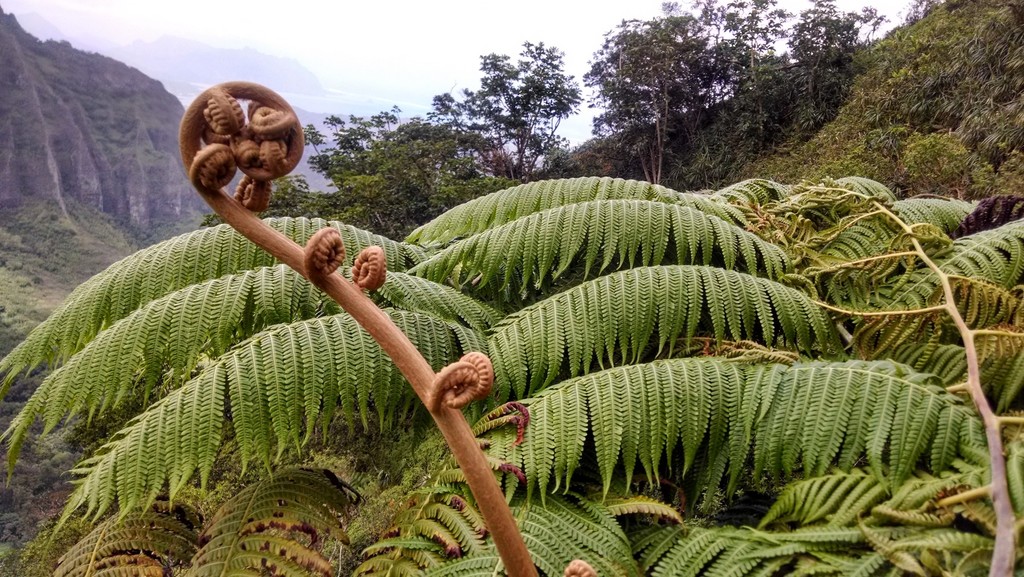
—observations
—countries
—peak records
Not EvaluatedConservation statusIUCN Red List categoriesLCNTVUENCREWEXNot Evaluated — not placed on the risk ladderRed List categories, explained →
Diet & prey
- Autotrophic
Predators
- Feral pigs
- Invasive slugs
ThreatsFeral pig rooting, invasive weeds, forest clearing
HabitatsMontane rainforests, wet forest understories
Life span50–100+ years
Size / weightNot available
Classification
- FamilyCibotiaceae
- SpeciesCibotium glaucum
Range data is not available yet.
Interaction riskLow
- Low
- Moderate
- High
- Very high
- Why interaction risk is low
- Safe to observe at a normal distance.
- What to notice
- Recognized by its fibrous tree-like trunk and arching fronds with silvery undersides in Hawaiian wet forests.
- Support conservation
- Remain strictly on established boardwalks and trails to protect sensitive root networks and germinating native plants.
Responsible observation
- Stay on Trails: Avoid stepping on fragile root mats and emerging fiddleheads in rainforest reserves.
- Look for Epiphytes: Examine the fibrous trunk to discover miniature native mosses, ferns, and orchids.
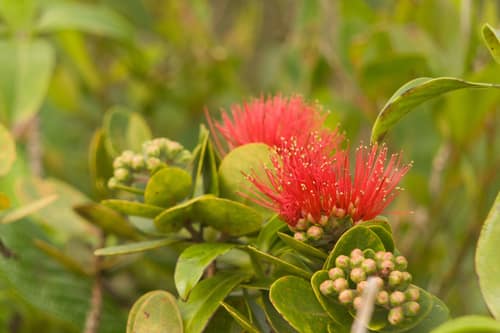
Frequent Companion (c) Kevin Faccenda, some rights reserved (CC BY), uploaded by Kevin Faccenda · cc-by
Close Relative (c) Forest and Kim Starr, some rights reserved (CC BY) · cc-by
Close Relative (c) J Brew, some rights reserved (CC BY-SA), uploaded by J Brew · cc-by-sa
Help improve the field guideSomething wrong?
Checking your Fauna account…Report a name, category, or profile issue for review.