
Fungus
Common Dust Lichen
Lepraria incanaCommon dust lichen forms soft, powdery, grey-green carpets on shaded tree bases, rocks, and damp walls where few other lichens can survive. Lacking both a protective outer cortex and sexual fruiting bodies, it spreads entirely through microscopic granules called soredia that break away in wind, rain, or on passing insects. Its powdery surface is laced with divaricatic acid and zeorin, water-repellent compounds that keep the fungus from waterlogging and deter tiny bark-grazing invertebrates.
PowderyShade-tolerantSymbiotic
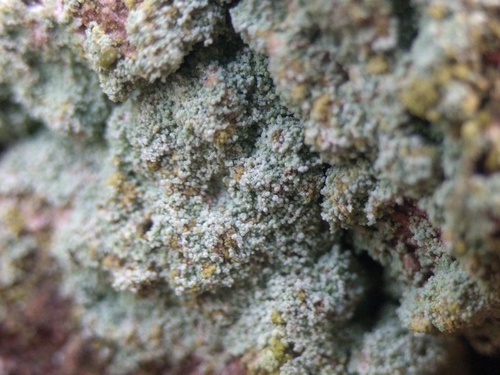
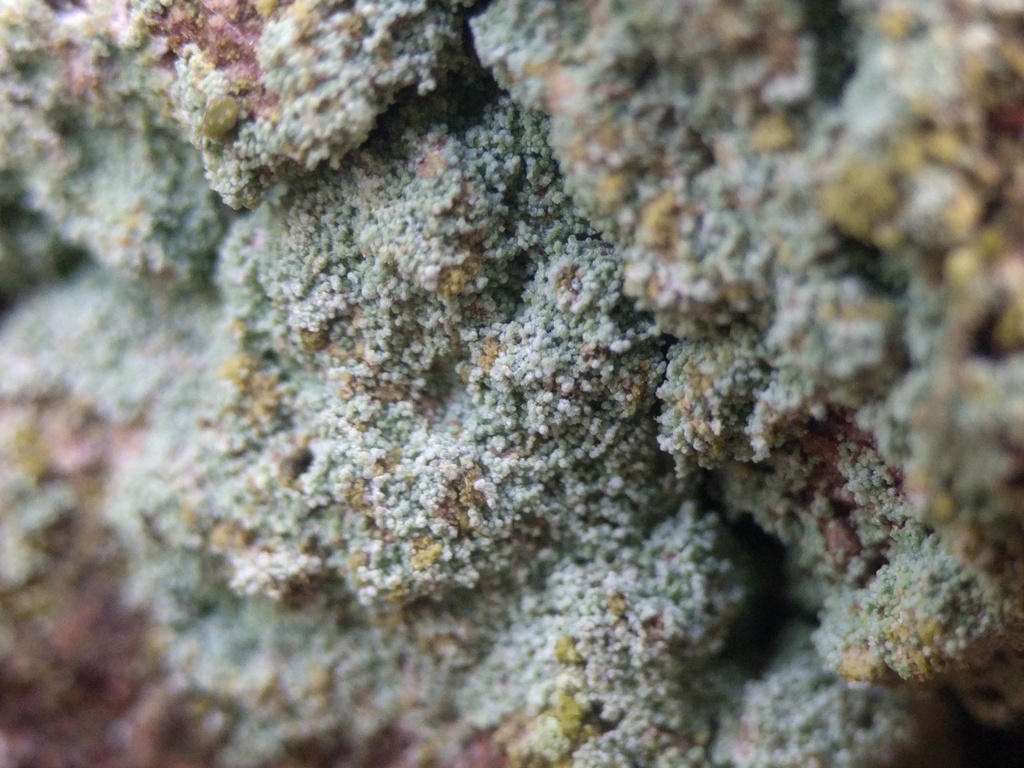
—observations
—countries
—peak records
Not EvaluatedConservation statusIUCN Red List categoriesLCNTVUENCREWEXNot Evaluated — not placed on the risk ladderRed List categories, explained →
Diet & preyAlgal sugars, Atmospheric moisture, Mineral dust
Predators
- Slugs
- Mites
- Springtails
ThreatsExtreme air pollution, habitat loss, and substrate disturbance
HabitatsShaded tree bark, mossy rocks, and sheltered wood
Life spanPerennial, persisting for decades
Classification
- OrderLecanorales
- FamilyStereocaulaceae
- GenusLepraria
- SpeciesLepraria incana
Range data is not available yet.
Interaction riskLow
- Low
- Moderate
- High
- Very high
- Why interaction risk is low
- Safe to observe and touch; many wild fungi have toxic look-alikes, so never eat any wild fungus based on app identification alone.
Responsible observation
- Hand Lens: Use a 10x loupe to see the tiny powdery soredia granules up close.
- Substrate Check: Look on the shaded, damp sides of deciduous tree trunks and mossy stone walls.
- Leave Intact: Avoid scraping patches off bark, as lichens grow slowly over many years.
 Image unavailable
Look-alike Symbiont 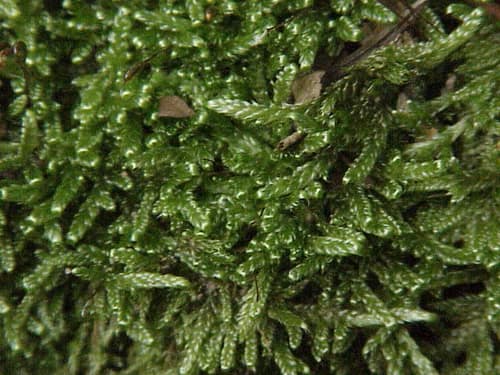
Frequent Companion Kurt Stüber [1] / CC BY-SA 3.0 · cc-by-sa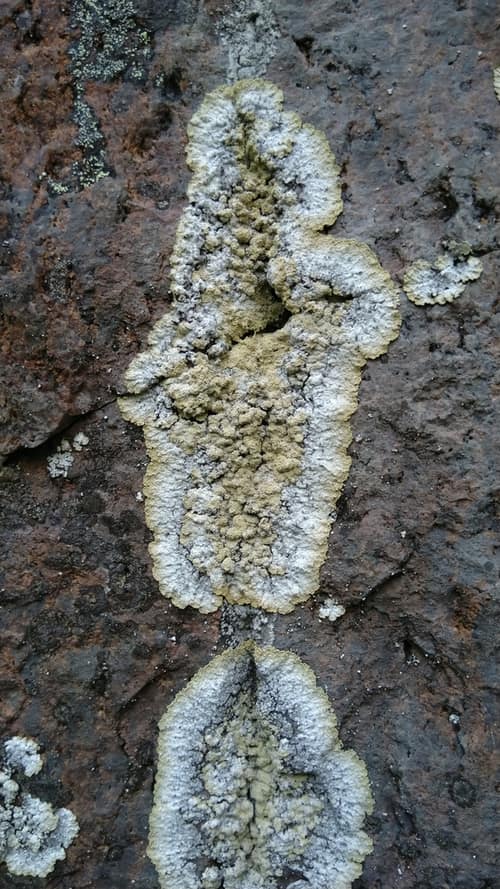
Close Relative (c) Mikko Heikkinen, some rights reserved (CC BY), uploaded by Mikko Heikkinen · cc-by
Help improve the field guideSomething wrong?
Checking your Fauna account…Report a name, category, or profile issue for review.