
Fungus · GBIF taxon 2606191
Rock Greenshield Lichen
Flavoparmelia baltimorensisAlso known as Baltimore Greenshield Lichen
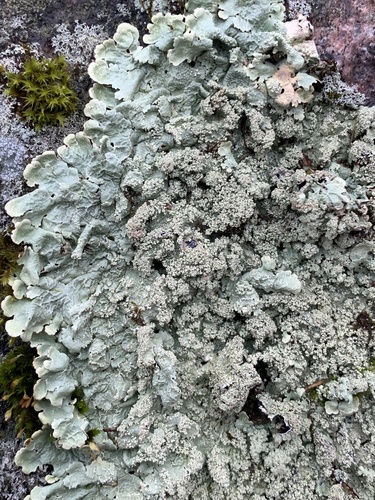
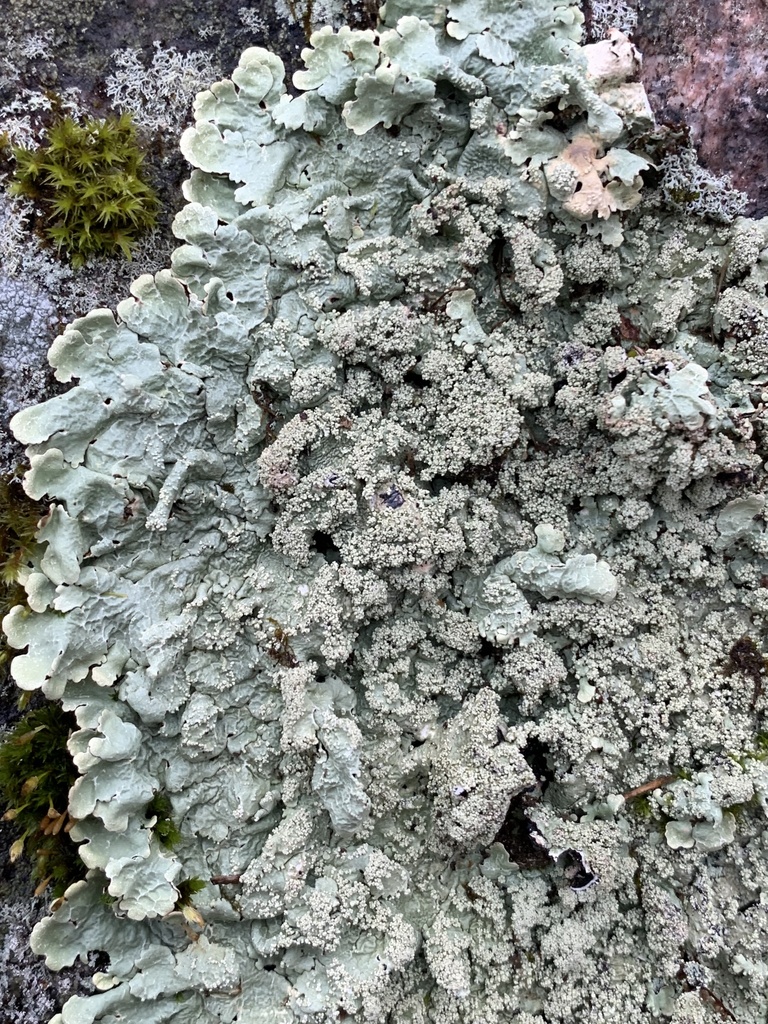
Rock greenshield lichens spread across non-calcareous boulders and shaded rock faces, forming broad, pale yellow-green rosettes that cling tightly to the stone. Their upper surface is characterized by distinctive pustule-like outgrowths that fragment easily, dispersing symbiotic algal cells and fungal hyphae together to establish new colonies. Highly enduring yet slow-growing, individual colonies can persist on stable stone surfaces for many decades while slowly weathering the minerals beneath them.
LichenSaxicolousSymbiotic
 1 / 7
1 / 7—observations
—countries
—peak records
Not EvaluatedConservation statusIUCN Red List categoriesLCNTVUENCREWEXNot Evaluated — not placed on the risk ladderRed List categories, explained →
Diet & prey
- Phototrophic symbiosis via chlorophyte green algae
Predators
- Oribatid mites
- Springtails
- Slugs
ThreatsSulfur dioxide air pollution, acid precipitation, and boulder disturbance
HabitatsSiliceous rock outcrops, granite boulders, sandstone cliffs, and headstones
Life spanDecades to centuries
Size / weightNot available
Classification
- OrderLecanorales
- FamilyParmeliaceae
- GenusFlavoparmelia
- SpeciesFlavoparmelia baltimorensis
Range data is not available yet.
Interaction riskLow
- Low
- Moderate
- High
- Very high
- Why interaction risk is low
- Harmless to observe; many wild fungi have toxic look-alikes, so never ingest wild specimens.
Responsible observation
- Hand Lens Inspection: Use a 10x magnifier to inspect the granular pustules on the upper lobes.
- Rock Conservation: Avoid scraping thalli from boulders, as lichens take decades to recolonize bare stone.
- Air Quality Monitoring: Treat abundant growth as a helpful sign of low local sulfur dioxide levels.
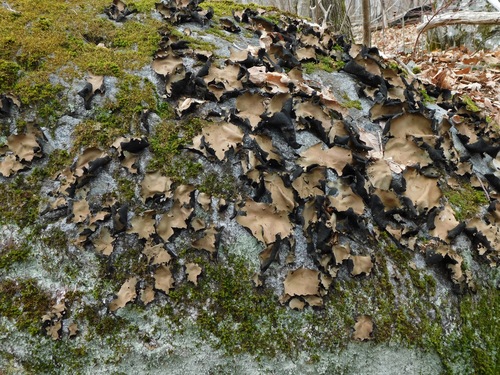
Frequent Companion (c) Michael J. Papay, some rights reserved (CC BY), uploaded by Michael J. Papay · cc-by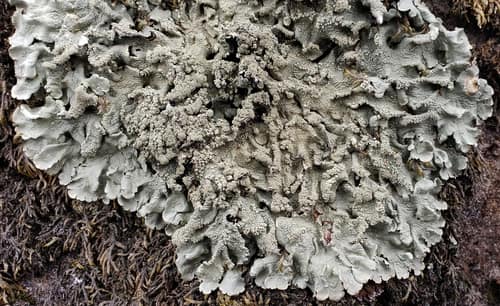
Close Relative (c) aarongunnar, some rights reserved (CC BY), uploaded by aarongunnar · cc-by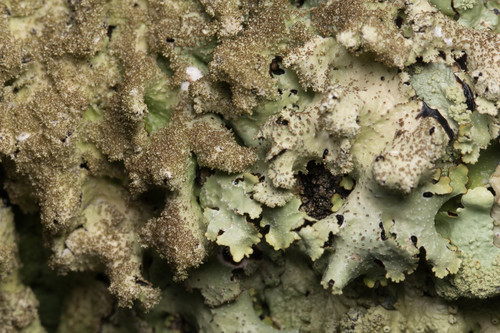
Same Family (c) Ken-ichi Ueda, some rights reserved (CC BY), uploaded by Ken-ichi Ueda · cc-by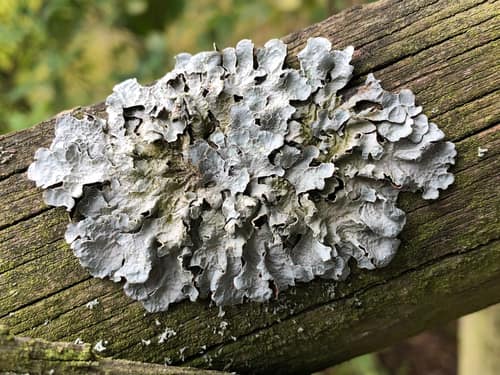
Same Family (c) mister_bumble, some rights reserved (CC BY), uploaded by mister_bumble · cc-by
Help improve the field guideSomething wrong?
Checking your Fauna account…Report a name, category, or profile issue for review.