
Fungus · GBIF taxon 2606178
Common Greenshield Lichen
Flavoparmelia caperataAlso known as Greenshield Lichen, Yellow-Green Shield Lichen, Common Greenshield
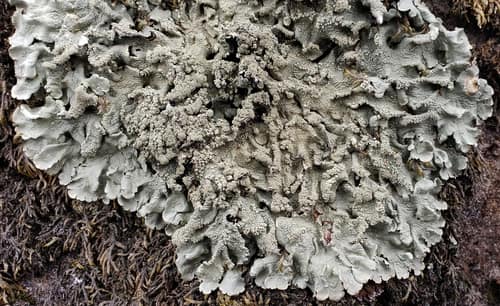
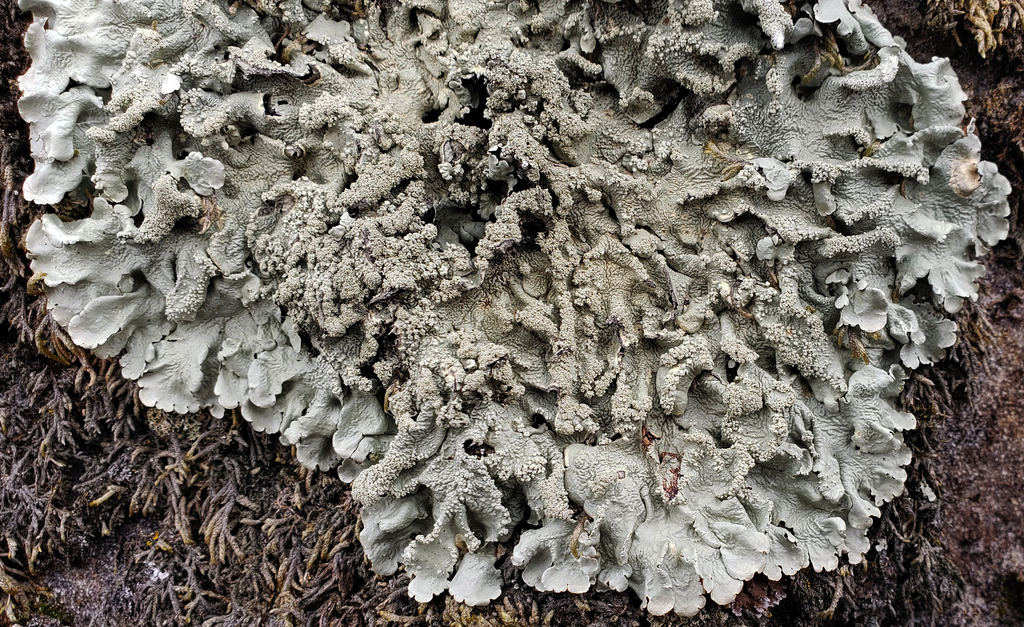
Common greenshield lichens spread across tree bark in pale yellow-green, rosette-shaped patches with broad, wrinkled lobes. The organism forms a symbiotic partnership between a fungus and photosynthetic green algae, producing energy from sunlight and airborne moisture. Older central portions often feature powdery granular structures called soredia, which break off to disperse new colonies on wind currents.
Foliose LichenEpiphyticAir Quality Indicator
 1 / 7
1 / 7—observations
—countries
—peak records
Least ConcernConservation statusIUCN Red List categoriesLCNTVUENCREWEXLeast ConcernRed List categories, explained →
Diet & prey
- Sunlight
- Airborne minerals
- Carbon dioxide
Predators
- Snails and slugs
- Lichen-eating caterpillars
- Oribatid mites
ThreatsSulfur dioxide air pollution, industrial acid rain, heavy deforestation
HabitatsDeciduous and coniferous tree bark, wooden fences, rocks
Life spanDecades to centuries
Size / weightNot available
Classification
- OrderLecanorales
- FamilyParmeliaceae
- GenusFlavoparmelia
- SpeciesFlavoparmelia caperata
Range data is not available yet.
Interaction riskLow
- Low
- Moderate
- High
- Very high
- Why interaction risk is low
- Safe to observe at a normal distance.
Responsible observation
- Observation: Look for wide, pale yellow-green wrinkled lobes spreading across sunny tree trunks and branches.
- Ecosystem Role: Leave undisturbed on live bark, where it serves as a sensitive natural bioindicator for local air quality.
- Identification: Check for powdery soredia bursting from the center of mature patches while outer edges remain smooth.
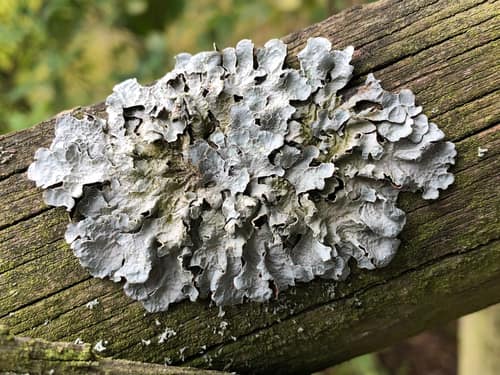
Co-occurring Lichen (c) mister_bumble, some rights reserved (CC BY), uploaded by mister_bumble · cc-by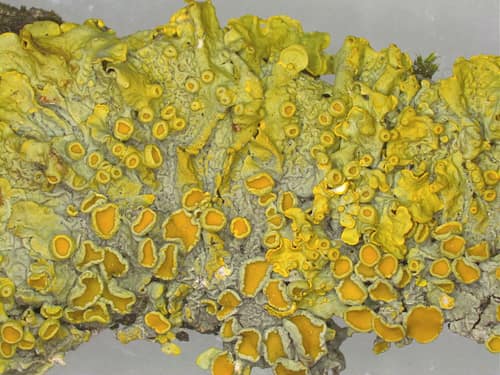
Co-occurring Lichen (c) Donald Hobern, some rights reserved (CC BY) · cc-by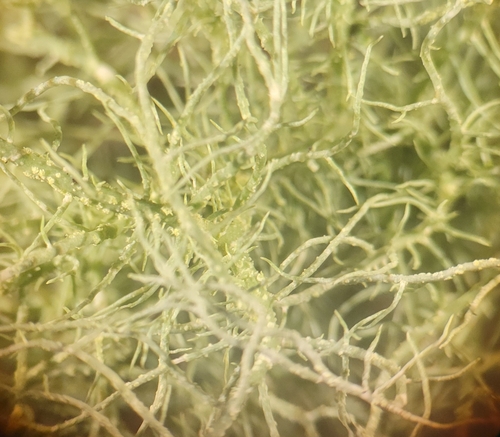
Habitat Companion (c) wweellll, some rights reserved (CC BY), uploaded by wweellll · cc-by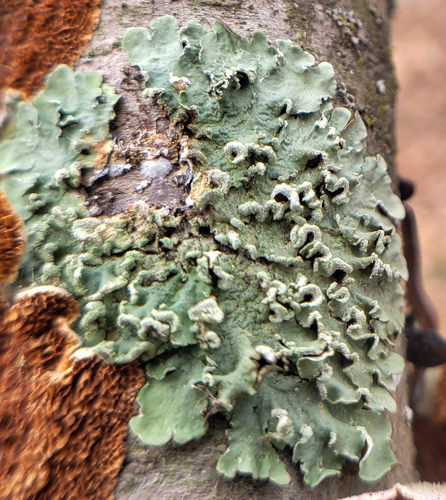
Close Relative (c) aarongunnar, some rights reserved (CC BY), uploaded by aarongunnar · cc-by
Help improve the field guideSomething wrong?
Checking your Fauna account…Report a name, category, or profile issue for review.