
Fungus · GBIF taxon 2605963
Netted Shield Lichen
Parmelia sulcataAlso known as Hammered Shield Lichen, Cracked-Shield Lichen, Powdery Shield Lichen
Netted shield lichens carpet tree bark and rock outcrops across the northern hemisphere, recognizable by the intricate web of pale ridges crisscrossing their blue-grey lobes. This hardy organism pairs a fungal scaffold with green algal partners that harness sunlight and ambient moisture, allowing it to flourish even in cities where atmospheric pollution eliminates more delicate lichens. Clusters of powdery granules called soralia erupt along the surface fissures, scattering microscopic clones across the landscape via wind and visiting birds.
SymbioticEpiphyticBioindicator
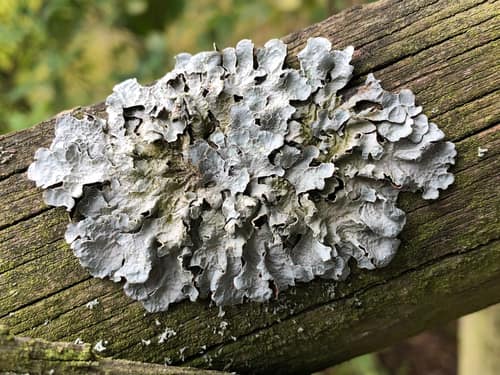
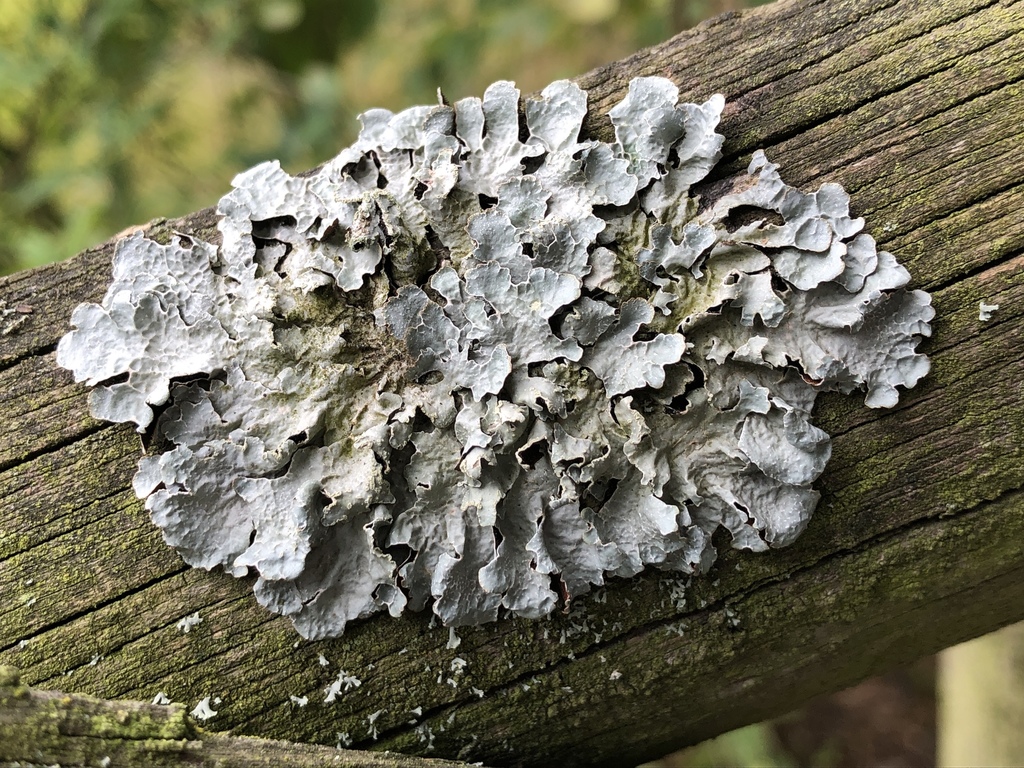 1 / 7
1 / 7—observations
—countries
—peak records
Not EvaluatedConservation statusIUCN Red List categoriesLCNTVUENCREWEXNot Evaluated — not placed on the risk ladderRed List categories, explained →
Diet & prey
- Photosynthetic symbiosis (via green algal partner Trebouxia)
Predators
- Slugs
- Land snails
- Oribatid mites
ThreatsSevere air pollution, habitat loss from deforestation, extreme heat
HabitatsTemperate and boreal forests, urban trees, open woodlands, rocks
Life span30–100+ years
Classification
- OrderLecanorales
- FamilyParmeliaceae
- GenusParmelia
- SpeciesParmelia sulcata
Range data is not available yet.
Interaction riskLow
- Low
- Moderate
- High
- Very high
- Why interaction risk is low
- Many edible mushrooms have toxic look-alikes; never eat wild fungi based on app identification alone.
Responsible observation
- Hand lens inspection: Examine the upper lobe surfaces with a 10x loupe to see the network of pale ridges and powdery soralia.
- Bark searching: Inspect tree trunks and fallen branches at eye level in both deep forests and suburban parks.
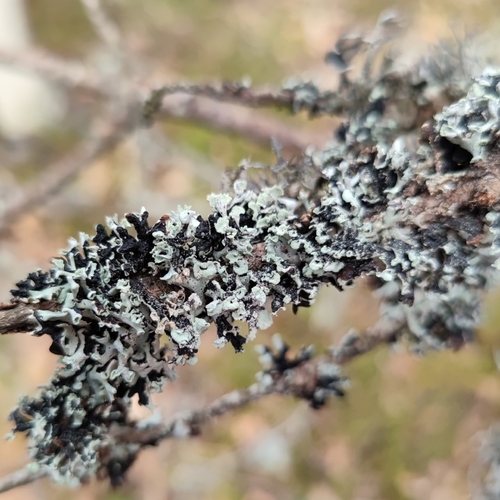
Competitor (c) ponpon42, some rights reserved (CC BY) · cc-by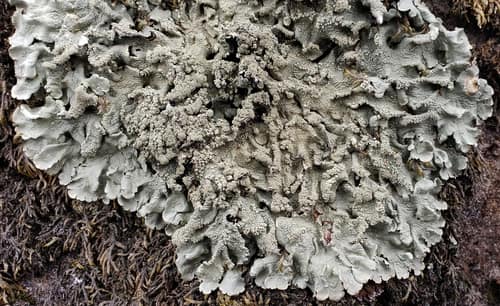
Competitor (c) aarongunnar, some rights reserved (CC BY), uploaded by aarongunnar · cc-by Image unavailable
Symbiont 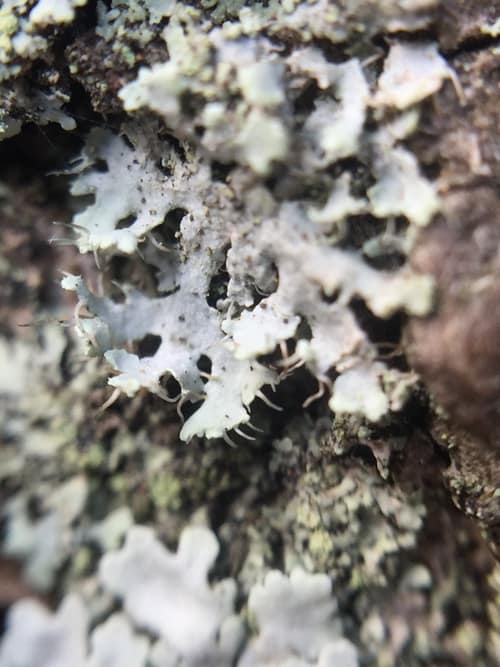
Frequent Companion (c) Stephen Thorpe, some rights reserved (CC BY), uploaded by Stephen Thorpe · cc-by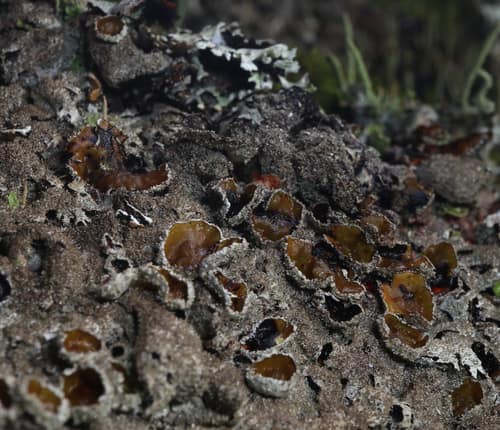
Close Relative no rights reserved, uploaded by Tero Linjama · cc0
Help improve the field guideSomething wrong?
Checking your Fauna account…Report a name, category, or profile issue for review.