
Fungus
Common Toadskin Lichen
Lasallia papulosaAlso known as Toadskin Lichen, Pustulate Rock Tripe, Blistered Rock Tripe
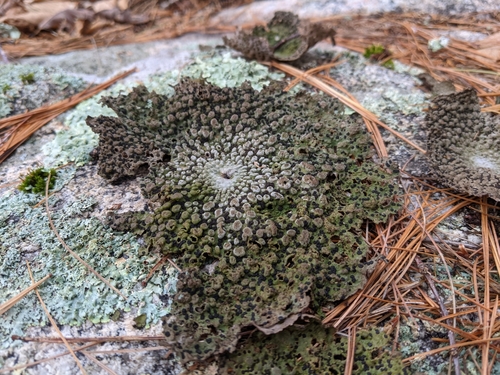
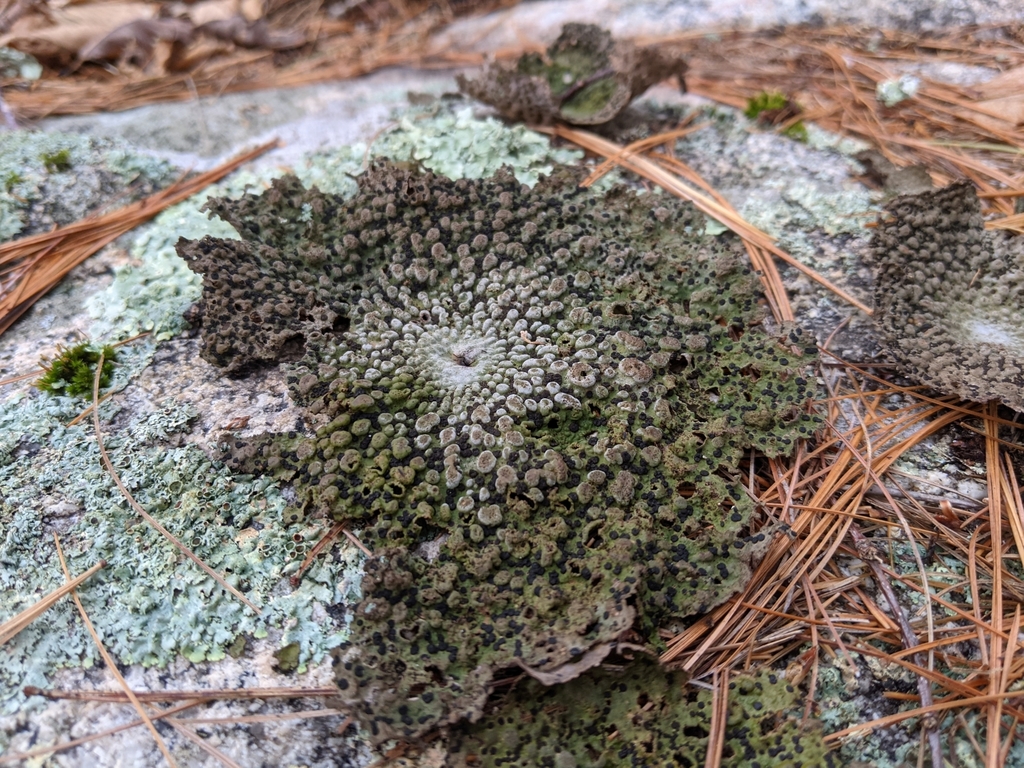
Common toadskin lichens cling tenaciously to sheer granite and sandstone faces by a single central anchor called an umbilicus. Their blistered, warty upper surfaces shift dramatically with moisture, transforming from brittle, ashen grey in drought to pliable, vibrant olive-green after rainfall. Growing at a pace of mere millimeters per decade, these long-lived symbiotic organisms slowly dissolve rock minerals and pioneer primary soil formation.
LichenRock DwellerSymbiotic
—observations
—countries
—peak records
Not EvaluatedConservation statusIUCN Red List categoriesLCNTVUENCREWEXNot Evaluated — not placed on the risk ladderRed List categories, explained →
Diet & preySunlight, Atmospheric moisture, Windblown mineral dust
Predators
- Oribatid mites
- Slugs
- Land snails
ThreatsAirborne sulfur dioxide pollution, trampling by rock climbers, and quarrying
HabitatsExposed siliceous boulders, granite outcrops, and sheer cliff faces
Life span50–100+ years
Classification
- OrderUmbilicariales
- FamilyUmbilicariaceae
- GenusLasallia
- SpeciesLasallia papulosa
Range data is not available yet.
Interaction riskLow
- Low
- Moderate
- High
- Very high
- Why interaction risk is low
- Many wild fungi have toxic look-alikes; never ingest wild specimens based on app identification alone.
Responsible observation
- Hydration Effect: Mist dry thalli with water to watch them rapidly soften and turn green within minutes.
- Leave Undisturbed: Avoid peeling specimens off rock surfaces, as they require decades to regrow.
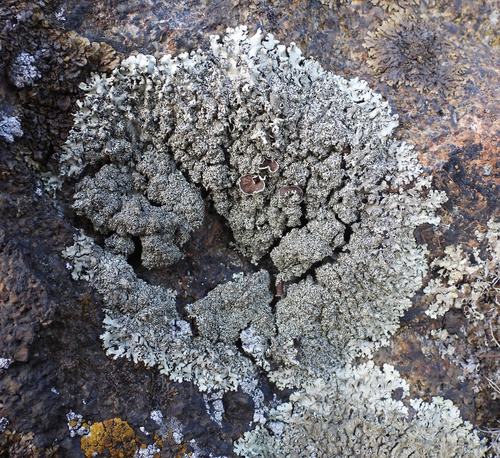
Competitor no rights reserved, uploaded by Vesa Oikonen · cc0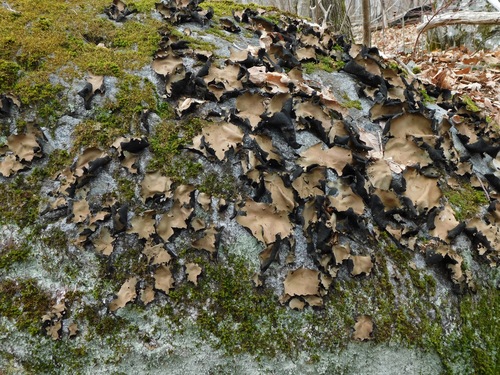
Close Relative (c) Michael J. Papay, some rights reserved (CC BY), uploaded by Michael J. Papay · cc-by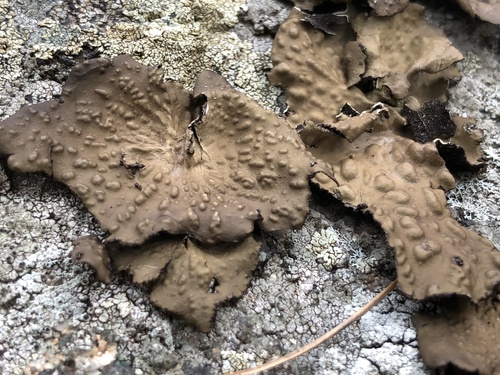
Close Relative (c) W Rao, some rights reserved (CC BY), uploaded by W Rao · cc-by
Help improve the field guideSomething wrong?
Checking your Fauna account…Report a name, category, or profile issue for review.