
Fungus
Yellow Morel
Morchella esculentaAlso known as Common Morel
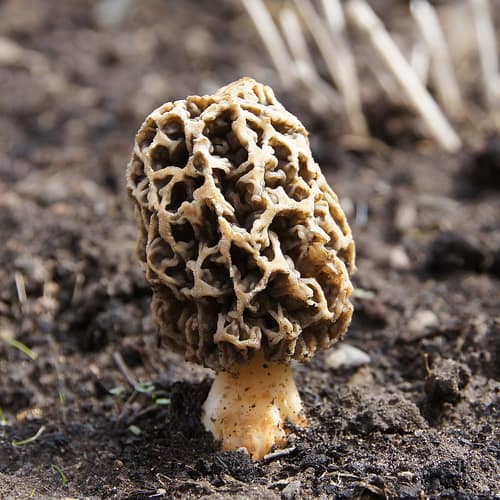
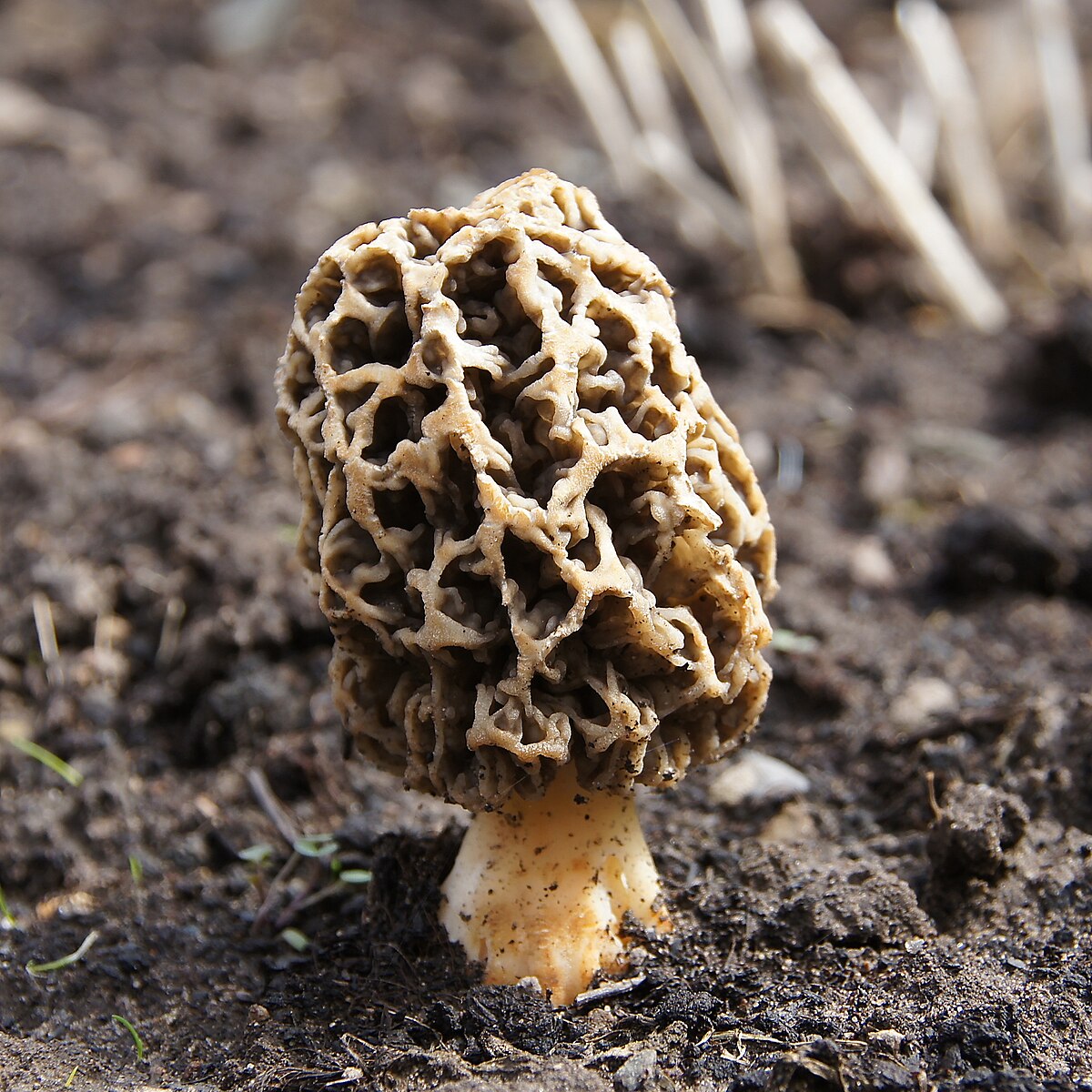
Yellow Morels produce pitted, honeycomb-like caps attached directly to pale hollow stems. Their underground mycelium can persist after the short-lived aboveground structures disappear.
ascomycetehoneycombed capspring fungus
—observations
—countries
—peak records
Not EvaluatedConservation statusIUCN Red List categoriesLCNTVUENCREWEXNot Evaluated — not placed on the risk ladderRed List categories, explained →
Diet & preyObtains nutrients through fungal decomposition and context-dependent associations with plants
Predators
- slugs
- insect larvae
- small mammals
ThreatsSoil disturbance, habitat conversion, drought, and intensive collection of reproductive structures
HabitatsWoodlands, disturbed ground, old orchards, and soils near certain broadleaf trees
Life spanAboveground structures last days to weeks while the mycelium may persist for years
Classification
- FamilyMorchellaceae
- SpeciesMorchella esculenta
Range data is not available yet.
Interaction riskLow
- Low
- Moderate
- High
- Very high
- Why interaction risk is low
- Look-alikes can be misidentified; do not eat or ingest any wild mushroom without expert confirmation.
Responsible observation
- Observe: Examine cap attachment and hollow structure without removing the specimen.
- Document: Record habitat and multiple angles while leaving underground mycelium undisturbed.
Help improve the field guideSomething wrong?
Checking your Fauna account…Report a name, category, or profile issue for review.