
Fungus · GBIF taxon 2593405
Snowbank Orange Cup
Caloscypha fulgensAlso known as Snowbank Orange Peel Fungus, Spring Orange Peel Fungus, Golden Cup, Dazzling Cup
Snowbank orange cups emerge near melting snow drifts in coniferous mountain forests during early spring. Their vivid orange cups stain distinct olive-green or blue-green along the margins when touched or bruised. Uniquely, the underlying mycelium can infect spruce and pine seeds, giving this species a dual lifestyle as both a decomposer and a plant pathogen.
Spring MushroomCup FungusConifer Dweller
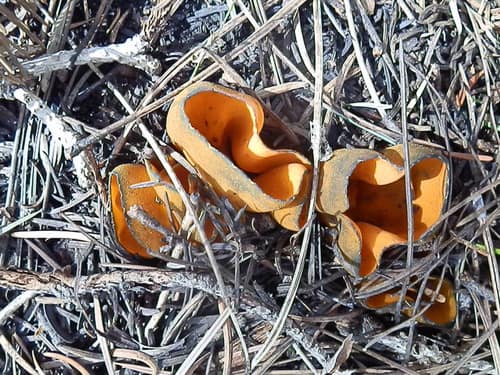
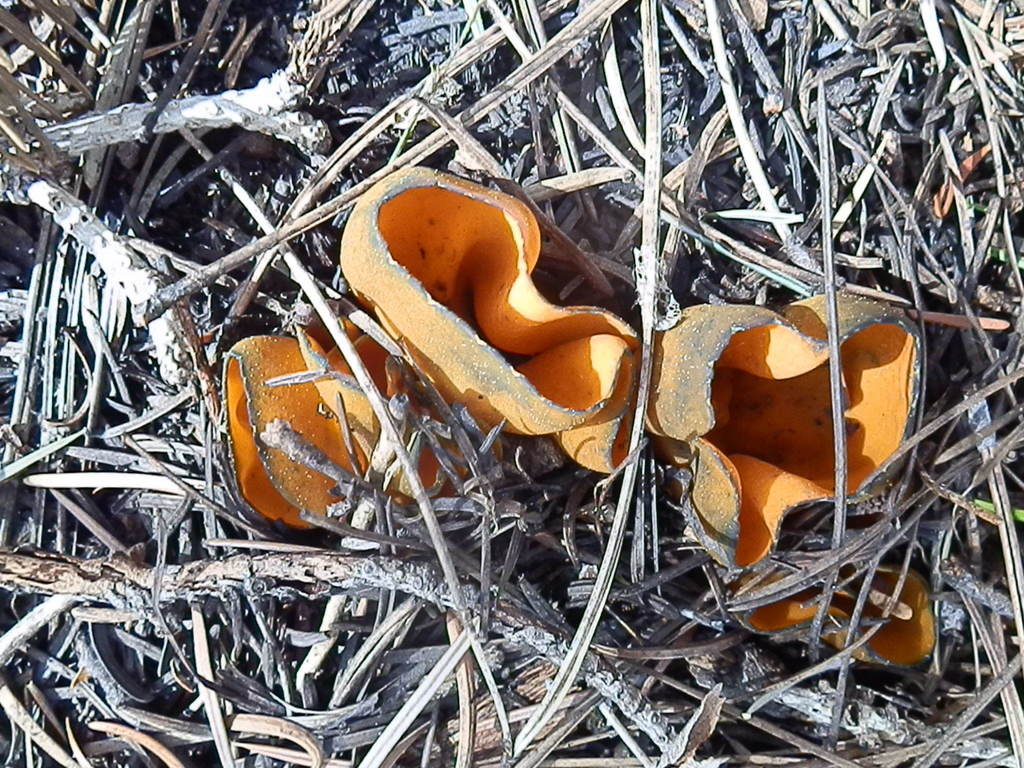 1 / 7
1 / 7—observations
—countries
—peak records
Not EvaluatedConservation statusIUCN Red List categoriesLCNTVUENCREWEXNot Evaluated — not placed on the risk ladderRed List categories, explained →
Diet & prey
- Saprotrophic and seed parasite
Predators
- Slugs
- Fungus gnats
- Rodents
ThreatsHabitat loss and severe forest fires
HabitatsMontane conifer forests near melting snowbanks
Life spanFruiting body lasts 1 to 3 weeks
Size / weightNot available
Classification
- FamilyCaloscyphaceae
- SpeciesCaloscypha fulgens
Range data is not available yet.
Interaction riskLow
- Low
- Moderate
- High
- Very high
- Why interaction risk is low
- Many edible mushrooms have toxic look-alikes; never eat wild fungi based on app identification alone.
Responsible observation
- Look Near Snow: Search around the edges of receding snowbanks in high-altitude conifer woods in late spring.
- Check for Staining: Observe the cup edges for a telltale olive or blue-green discoloration caused by bruising.
- Tread Lightly: Watch your step on damp forest duff where delicate clusters first push through.
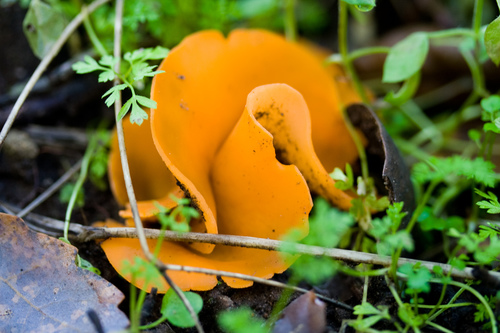
Close Look-Alike (c) Ken-ichi Ueda, some rights reserved (CC BY) · cc-by Image unavailable
Habitat Companion 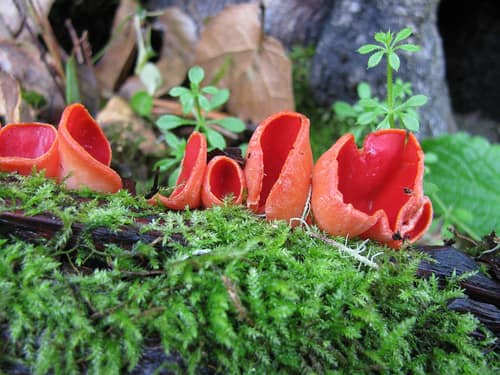
Spring Relative This image was created by user Ryane Snow (snowman) at Mushroom Observer, a source for mycological images.You can contact this user here. / CC BY-SA 3.0 · cc-by-sa
Help improve the field guideSomething wrong?
Checking your Fauna account…Report a name, category, or profile issue for review.