
Fungus · GBIF taxon 2580246
Beech Strawberry Fungus
Cyttaria gunniiAlso known as Myrtle Orange, Beech Orange
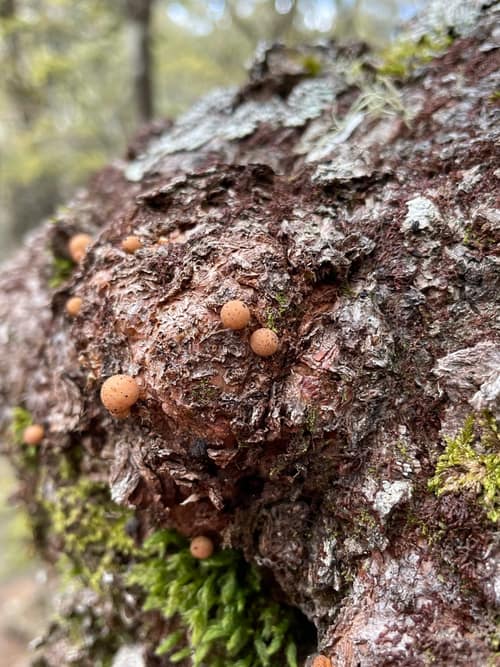
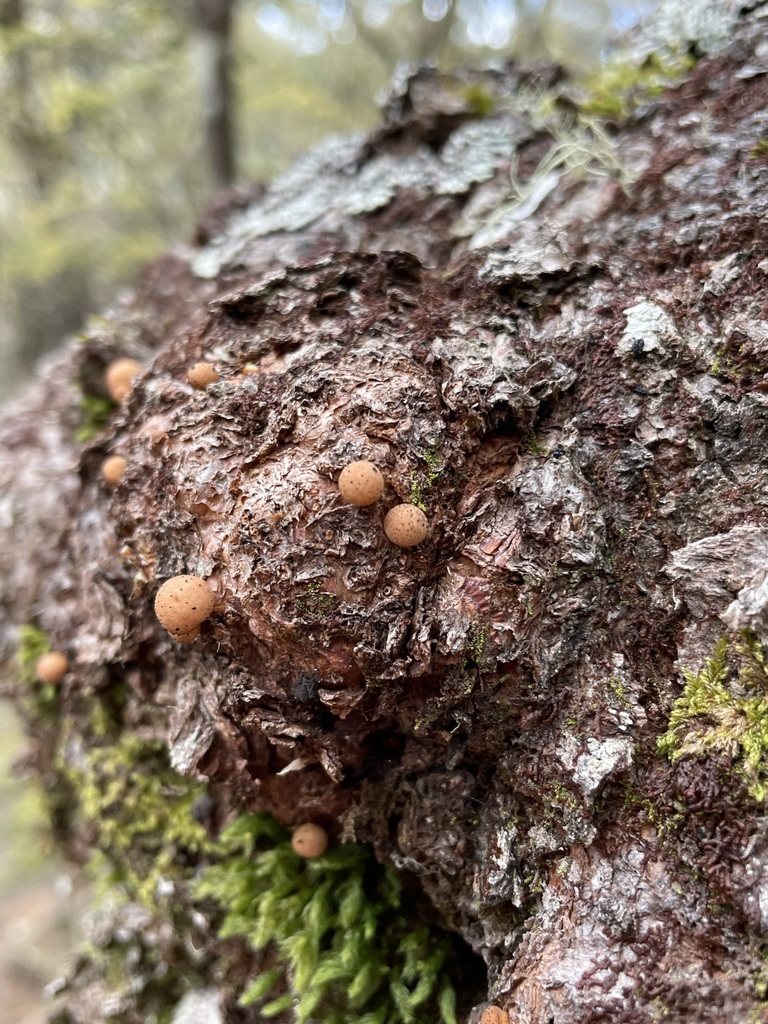
Beech strawberry fungus forms striking clusters of golf-ball-sized, honeycombed fruiting bodies on the branches of myrtle beech trees. Emerging from swollen woody galls during spring and early summer, these bright yellow to pale orange growths feature deep hexagonal pits lined with spore-producing tissue. The fungus lives as an obligate parasite, maintaining a long-term association with its host tree throughout cool temperate rainforests.
ParasiticHoneycombedRainforest
 1 / 7
1 / 7—observations
—countries
—peak records
Not EvaluatedConservation statusIUCN Red List categoriesLCNTVUENCREWEXNot Evaluated — not placed on the risk ladderRed List categories, explained →
Diet & prey
- Biotrophic parasite on myrtle beech trees
Predators
- Insects
- Native Birds
- Arboreal Marsupials
ThreatsBushfires, habitat degradation, climate change
HabitatsCool temperate rainforests
Life spanFruiting bodies persist several weeks; fungal galls endure for decades
Size / weightNot available
Classification
- FamilyCyttariaceae
- SpeciesCyttaria gunnii
Range data is not available yet.
Interaction riskLow
- Low
- Moderate
- High
- Very high
- Why interaction risk is low
- Many edible mushrooms have toxic look-alikes; never eat wild fungi based on app identification alone.
Responsible observation
- Habitat Search: Scan myrtle beech trunks and branches in mossy cool temperate rainforests.
- Observation Etiquette: Leave the woody galls attached to the host tree without breaking branches.
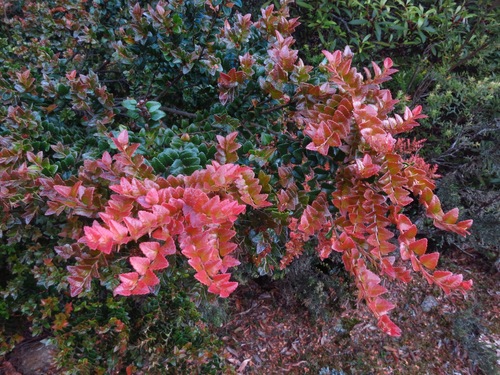
Host Plant no rights reserved, uploaded by Cowirrie · cc0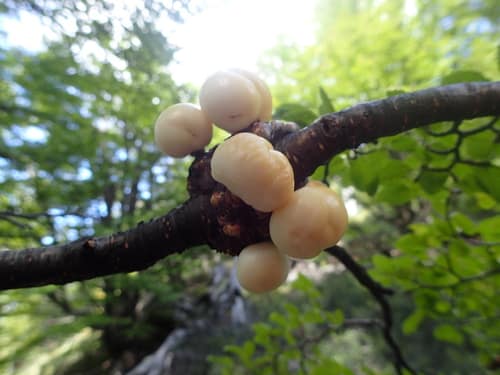
Close Relative (c) rosaceae_roberts, some rights reserved (CC BY) · cc-by
Help improve the field guideSomething wrong?
Checking your Fauna account…Report a name, category, or profile issue for review.